
Hypothyroidism means the thyroid is not making enough hormone, so almost everything that runs on it slows down: heart rate, digestion, temperature, mood and thinking. It is found with a blood test and treated by replacing the missing hormone. Food, sleep and stress management genuinely help you feel better, but they do not refill an empty tank.
🔍 What is hypothyroidism, and how common is it?
The thyroid is a small gland at the front of your neck, and its entire job is setting the pace of everything else. Hypothyroidism is what happens when it cannot keep up with demand. Nothing dramatic announces it. It is closer to someone quietly turning the thermostat down in every room of the house.
It is not rare. The National Institute of Diabetes and Digestive and Kidney Diseases reports that nearly 5 out of 100 Americans aged 12 and over have hypothyroidism, although most cases are mild or come with few obvious symptoms. The American Thyroid Association puts around 20 million Americans as having some form of thyroid disease, and estimates that up to 60 percent of them do not know it.
The most common cause in both the United States and the United Kingdom is Hashimoto’s disease, in which the immune system attacks the thyroid gland so it can no longer make enough hormone. Surgery, radiotherapy to the neck, treatment for an overactive thyroid and certain medicines can also cause it. Severe iodine deficiency is a major cause worldwide and a rare explanation where salt is iodised.
⚠️ Is a slow thyroid really a women’s condition?
Half true, which is the worst kind of true. Women really are affected far more often: the American Thyroid Association states that women are five to eight times more likely than men to have thyroid problems, and that one woman in eight will develop a thyroid disorder in her lifetime. That is a large gap and it is not a myth.
What does not follow is the second half, the bit where men decide the whole subject is someone else’s business. Men get hypothyroidism too, and when they do, the symptoms tend to be filed under stress, a heavy work year, or turning forty. Flat mood, low libido, muscle that no longer responds to training and a fog that will not lift are all easy to explain away with something other than a gland.
Most symptoms are shared by everyone: fatigue, feeling cold when nobody else does, weight gain, constipation, dry skin, hair thinning, a hoarse voice and trouble concentrating. Heavy or irregular periods and difficulty conceiving are the signs more specific to women. The blood test does not care which list you arrived with. Feeling cold when nobody else does is also on the list of signs that a fasting routine has gone too far, which our page on whether fasting slows metabolism in women separates from thyroid causes.

🧠 What does an underactive thyroid do to the body?
Thyroid hormone is less a switch than a tempo. Lower it and every section of the orchestra slows at once, which is why the symptom list reads like four unrelated illnesses stapled together.
| System | What slows down | What people actually notice |
|---|---|---|
| 🧬 Metabolic rate | Energy use at rest falls | Tiredness, feeling cold, modest weight gain |
| ❤️ Heart and circulation | Heart rate drops, LDL cholesterol rises | Cold hands and feet, breathlessness on stairs |
| 🧠 Brain and mood | Nerve signalling and processing speed | Brain fog, forgetfulness, low mood |
| 🍽️ Digestion | Gut transit time lengthens | Constipation, bloating, feeling full early |
| 💃 Skin, hair and nails | Cell turnover | Dry skin, brittle nails, thinning hair |
| ⚖️ Reproductive system | Cycle regulation and hormone balance | Heavy or irregular periods, fertility difficulty, low libido |
None of this is subtle written down, and almost all of it is invisible one symptom at a time. Each complaint has ten innocent explanations, so people carry the whole set around for years without ever putting them in the same sentence.
Left untreated it is not merely uncomfortable. The NHS lists increased risk of heart problems and bone problems, and rarely myxoedema coma, a life threatening emergency. This is a condition worth diagnosing rather than tolerating.
⚖️ How much of the weight gain is actually the thyroid?
Less than the internet would like, and more than nothing. On the American Thyroid Association’s guidance on thyroid and weight, about 5 to 10 pounds of weight gain may be related to the thyroid depending on how severe the hypothyroidism is, and most of that is retained salt and water rather than fat. Treatment tends to return body weight to roughly where it was before.
So a diagnosis explains a real part of the picture and rarely the whole of it, which is worth sitting with rather than arguing about. Because most of that gain is fluid rather than fat, what actually shifts water weight, and what only looks like it does is the more useful read if the scale moved quickly and you want to know what it was made of.
Thyroid hormone is not a weight loss treatment. Taking more than you need raises the risk of insomnia, palpitations, muscle loss, bone loss and heart rhythm problems, and weight lost that way is usually regained once it stops. Dose changes belong with the doctor monitoring your blood tests.
If weight is the reason you are reading this, the other usual suspects deserve the same scrutiny. How stress quietly slows your metabolism covers one of them, and it overlaps with thyroid symptoms closely enough that people regularly confuse the two.
🩺 How is hypothyroidism diagnosed?
With blood, not with a quiz. The NHS describes checking thyroid stimulating hormone (TSH) and thyroxine (T4) in the blood, and antibody testing can identify Hashimoto’s as the cause. A full picture is more informative than TSH read in isolation, which is something to discuss with the doctor ordering the test.
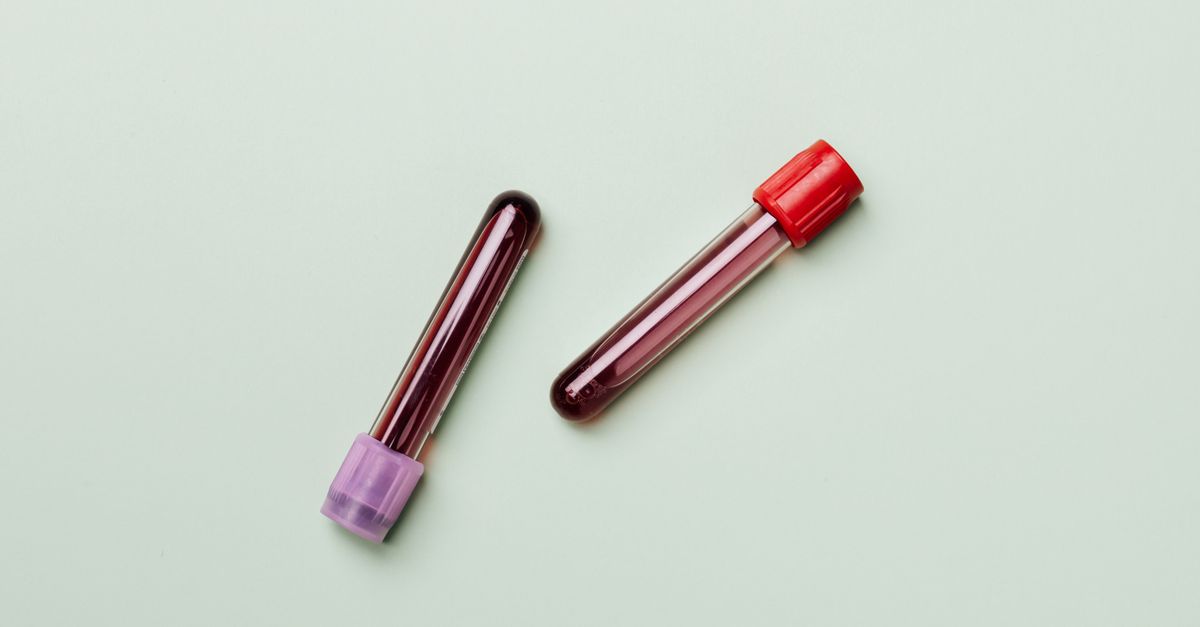
No symptom checklist can do this job, and the ones that promise to are essentially horoscopes with a lab coat on. Tiredness, cold hands, low mood and weight gain are also produced by poor sleep, iron deficiency, depression, perimenopause and a genuinely difficult year. The test tells them apart. Your best guess cannot.
One practical warning before you go: high dose biotin, the kind sold in hair, skin and nail supplements, can interfere with the immunoassays many laboratories use and produce misleading thyroid results. Tell whoever orders your test what you are taking, supplements included.
📋 What if the result is borderline?
This is the commonest follow up question and the article owed you an answer. A raised TSH with a T4 still inside the normal range has a name, subclinical hypothyroidism, and it is the grey zone where two people with the same number can reasonably be managed differently.
The clinical review of subclinical hypothyroidism on the NCBI Bookshelf sets out where the lines currently sit. A TSH above 10 milli international units per litre is where treatment is broadly agreed. Between roughly 5 and 10, the evidence is described as inconclusive, and guidelines ask for an individualised decision weighing age, symptoms, cholesterol, cardiovascular risk and whether thyroid antibodies are present. Some people in that band are treated and some are monitored, and both can be correct.
What that means in the room is that a borderline result is the start of a conversation rather than a verdict, and repeating the test after a few months is a normal step rather than a fob off. TSH also moves with acute illness and time of day, so one raised reading is not the same as a pattern. None of this is a decision to make from a website, and it is a decision worth having properly rather than being handed a leaflet.
🌿 Does natural thyroid therapy work instead of medication?
Here is the plain answer. Hypothyroidism is a shortage of a hormone. Nothing on a plate manufactures thyroid hormone on your behalf, and a gland damaged by an autoimmune process is not waiting to be motivated. The standard treatment is levothyroxine, a synthetic version of the hormone the thyroid makes, and the NHS notes that most people take it for life with the dose adjusted by regular blood tests.
That does not make diet and habits irrelevant, it just means they are doing a different job. They affect how well you absorb the treatment, how you feel alongside it, and whether a separate deficiency is adding to your fatigue. Here is where each option sits.
| Approach | What it can reasonably do | What it cannot do |
|---|---|---|
| Levothyroxine | Replace the missing hormone, monitored by blood tests | Work if taken erratically, or fix problems that were never thyroid related |
| Iodine or kelp supplements | Correct a genuine deficiency, which is rare where salt is iodised | Be automatically helpful. More is not better and can be worse |
| Selenium | Lower thyroid antibody levels in some trials | Show a proven benefit to how people actually feel or function |
| Cutting gluten, dairy or sugar | Help if you have a diagnosed intolerance or coeliac disease | Reverse autoimmune damage to the thyroid gland |
| Adaptogens and thyroid support blends | Relieve your wallet with impressive efficiency | Raise thyroid hormone, and some interfere with tests or medicines |
| Sleep, protein and regular movement | Improve energy, muscle and mood substantially | Substitute for hormone replacement when hormone is what is missing |
Two of those rows deserve more than a table cell. On iodine, the NIDDK warns that people with autoimmune thyroid disorders can be sensitive to it and that iodine supplements can cause or worsen hypothyroidism. The kelp tablet marketed as thyroid fuel is not a neutral choice for the exact group most likely to buy it.
On selenium, a Cochrane review of selenium supplementation for Hashimoto’s thyroiditis pooled four studies covering 463 participants and concluded that the evidence is incomplete and not reliable enough to inform clinical decisions. Trials in that review used 200 micrograms a day, and antibody levels fell in three of them without anyone establishing that patients felt better for it. That is an interesting signal, not a plan.
💬 What is genuinely worth doing?
If you have been diagnosed, the unglamorous things matter most: take the medication consistently, keep it consistent in relation to food and other supplements, and turn up for the follow up blood tests even during the stretch when you feel fine. Dose is a moving target and the tests are how anyone knows where it is.
Consistent has a specific meaning here, and it is the detail people most often miss. Mayo Clinic guidance on levothyroxine describes taking it in the morning on an empty stomach, at least 30 to 60 minutes before breakfast, and keeping calcium, magnesium, aluminium containing antacids and iron about four hours away from the dose, because they bind it in the gut and it never gets absorbed. A great many people take their thyroid tablet with a milky coffee and their iron at the same time, then wonder why their numbers will not settle. Your own instructions come from whoever prescribes it, and that is who to check this with.
- 🔍 Get tested rather than guessing, especially if several symptoms arrived together
- 🩺 Mention every supplement you take, because several affect the test or the absorption of the medication
- 🧬 Treat other deficiencies on their own merits, vitamin D being a common one worth checking
- 😴 Protect sleep and manage stress, which will not fix a thyroid and will make almost everything else easier to carry
- 🏋 Keep training moderate while you are still fatigued, and build back up as energy returns
And if you are doing all of that and still feel wrong, that is information rather than failure. Symptoms that persist after treatment starts are worth raising with your doctor, because the dose may need adjusting or something other than the thyroid may be involved.
Frequently asked questions
Can hypothyroidism be cured naturally?
Not in the sense the phrase implies. Hypothyroidism is a shortage of a hormone, most often because the immune system has damaged the gland, and no food or herb restores that production. Nutrition, sleep and stress management support how you feel and are worth doing on their own merits. Replacing the hormone is a separate job.
How much weight will I lose once my thyroid is treated?
The American Thyroid Association describes roughly 5 to 10 pounds of gain as thyroid related depending on severity, and most of that is retained salt and water rather than fat. Treatment tends to return weight to about where it was before rather than producing a large loss. Anyone promising more than that is selling something.
Do men get hypothyroidism?
Yes. It is several times more common in women, which is why men and sometimes their doctors overlook it. In men the symptoms often present as low energy, flat mood, reduced libido and muscle that stops responding to training, all of which get attributed to stress or age. The blood test is the same.
Which blood test shows an underactive thyroid?
Thyroid stimulating hormone and thyroxine, usually written as TSH and T4, are the standard first tests. Antibody tests can show whether Hashimoto’s disease is the cause. What your particular results mean depends on your symptoms and history, which is a conversation with a doctor rather than a number to interpret alone.
Should I take iodine for my thyroid?
That is a question for a doctor rather than a supplement label. The thyroid needs iodine, yet deficiency is uncommon where salt is iodised, and the NIDDK warns that people with autoimmune thyroid disorders can be sensitive to iodine and that supplements can cause or worsen hypothyroidism. It is one of the clearest examples of more not being better.
Does stress cause hypothyroidism?
Chronic stress does not cause the autoimmune damage behind most cases, and it does affect how you feel, how you sleep and how you eat, all of which shape symptoms. It also produces fatigue and weight changes that look very similar, which is exactly why the diagnosis should rest on a blood test rather than on how tired someone feels.
What does subclinical hypothyroidism mean?
A raised TSH with a thyroxine level still inside the normal range. Treatment is broadly agreed above a TSH of 10 milli international units per litre. Between about 5 and 10 the evidence is inconclusive, and guidelines ask for an individualised decision based on age, symptoms, cholesterol, cardiovascular risk and thyroid antibodies. Repeating the test after a few months is a normal next step rather than an evasion.
This article is general information, not medical advice, and is not a substitute for care from a qualified healthcare professional. Speak to your doctor about your own situation, particularly before starting, stopping or changing any medication or supplement.
Leave a Reply