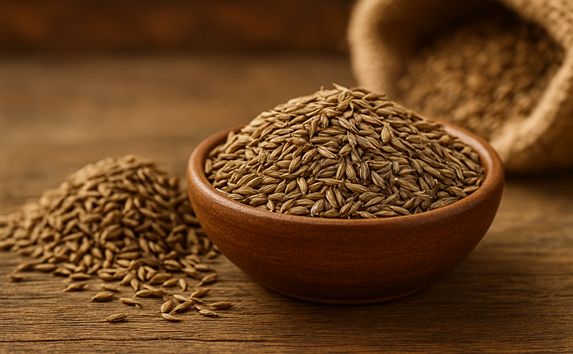
Jeera is a spice, not a treatment. Cumin has been tested in a handful of small, short trials, and those point to modest shifts in fasting blood sugar and waist measurement rather than anything you would call healing. It is worth cooking with. It is not worth building a health plan around.
The claims made for jeera are usually total. It heals digestion, it burns fat, it flushes toxins, it balances hormones. Spice claims tend to be total, because spices are cheap and a promise costs nothing to make. The narrower version is more useful: what cumin contains, what has been measured in people, and where a morning glass of jeera water earns its place. Flushing is the claim that does the most work, and our page on dropping water weight explains what a diuretic actually moves and why it comes straight back.
What is actually in a teaspoon of jeera?
Cumin seed carries a small amount of essential oil, and cuminaldehyde is the compound behind the smell you recognise the second the seeds hit hot fat. Alongside it sit terpenes and phenolic compounds, which behave as antioxidants in laboratory conditions. That last sentence is where most spice articles quietly stop, because the interesting part is what happens next, and what happens next is usually nothing dramatic.
The gap is dose. A level teaspoon of cumin seed weighs roughly two grams, plenty to change how a bowl of dal tastes and a rounding error against everything else you eat in a week. Laboratory work uses concentrated extracts at quantities no kitchen produces, so a result in a dish of cells says little about a seed in a person.
The same arithmetic deflates the iron claim. Cumin is genuinely iron dense per hundred grams, which is how nutrition tables report it and not how anybody eats it. Spices are seasoning that happens to contain nutrients, not a nutrient source.
What does the research on cumin actually show?
The most useful summary available is a 2026 systematic review and meta analysis in Frontiers in Nutrition, which pooled nine randomised controlled trials covering 531 adults with metabolic problems. Across those trials, cumin supplementation was linked to lower fasting blood sugar, lower triglycerides, higher HDL cholesterol and a smaller waist measurement.
Then read the small print, which the authors put there themselves. They graded the certainty of the blood sugar and blood fat findings as low, and the waist finding as moderate. Every included trial ran in one country, over eight to twenty four weeks, and the results scattered widely between studies. None of that makes the finding worthless. It makes it provisional, which is different from false and very different from proven.
The single study quoted most often is a 2016 double blind placebo controlled trial published in the Iranian Red Crescent Medical Journal. It gave 72 adults with a body mass index of 25 or above capsules of cumin and lime, at one of two doses, or a placebo, twice a day for eight weeks. The capsule groups came out ahead of placebo on weight, body mass index, fasting glucose and blood lipids, and the authors listed the small sample and the short run as limitations before anyone else could.
One detail rarely survives the retelling. Each capsule held milligram quantities, a small fraction of what a teaspoon of seeds weighs. A dose far below culinary use beating placebo invites curiosity, not confidence, and certainly not the conclusion that more cumin in your food does the same thing. What does not exist anywhere is a large, long trial of cumin outside that one research setting. Until there is one, this is a promising thread rather than a finding.
Does jeera water do anything, or is it mostly water?
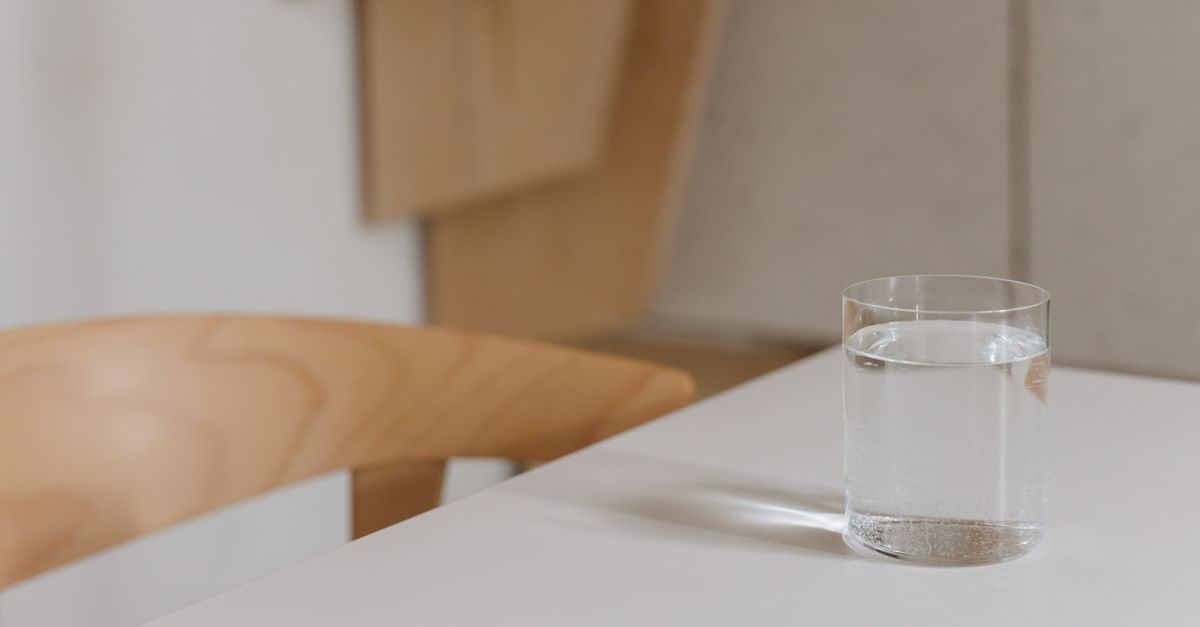
Jeera water is seeds soaked overnight, or boiled and cooled, then drunk on an empty stomach. What reaches the glass is water, a trace of aroma and whatever soluble compounds came across. The honest account of why people feel better on it has nothing exotic in it.
- It is water. Most people drink too little, and a glass first thing fixes a common shortfall.
- It replaces something else. Jeera water instead of a sweetened tea or a juice changes the day in a way the seeds cannot take credit for.
- It is a ritual with a fixed time. Habits attached to a moment survive. That is a real mechanism, just a psychological one rather than a metabolic one.
- Warm liquid is settling. Whether that is the cumin, the warmth or the pause is not something the evidence can separate.
What jeera water does not do is detoxify anything. The liver and kidneys clear waste continuously and no drink speeds them up, which is covered at length in the great detox lie. Removing the word detox does not remove the benefits above. It just stops them being sold as something they are not.
How do the claims compare with the evidence?
| The claim | What the evidence supports | What it does not support |
|---|---|---|
| Jeera burns fat | Small, short trials report modest metabolic changes | Any process that behaves like fat burning |
| Jeera water detoxes the body | Water hydrates and displaces sweeter drinks | Toxin clearance, which organs handle anyway |
| Jeera fixes digestion | Long culinary use and a plausible settling effect | Reliable relief of bloating, reflux or IBS |
| Jeera controls blood sugar | Lower fasting glucose when trials are pooled, at low certainty | Anything close to replacing prescribed treatment |
| Jeera is rich in iron | True per hundred grams on a nutrition table | Meaningful iron at teaspoon quantities |
| Jeera boosts immunity | Antioxidant compounds measured in the laboratory | Any measured change in how often people get ill |
Read the middle column alone and cumin looks mildly interesting. Read it beside the right hand column and the shape of the subject appears. Nothing here is fake and nothing here is large.
Is there any reason to be careful with jeera?
In cooking amounts, cumin is food and has been for thousands of years. Concentrated capsules and extracts are a different proposition, and the reason is the one piece of evidence that looks strongest.
- Glucose lowering medication. If pooled trials show cumin nudging fasting glucose down, then stacking a supplement on top of insulin or glucose lowering tablets is a conversation to have with your doctor before you start, not after.
- Supplements are not medicines. Dose and content are not held to the standard prescriptions are, so what a capsule contains is not always what the label says.
- Pregnancy and breastfeeding. Cumin in food is food. Supplement level doses have not been studied properly in pregnancy, which is a reason to leave them alone rather than a known danger.
- Allergy. Uncommon, and real. Seed spice reactions do happen.
- Persistent symptoms. Bloating that will not settle, unexplained weight change, or thirst and fatigue, are worth an appointment. A spice is not a diagnosis and neither is a web page.
So what actually decides whether any of this helps?
It depends, and what it depends on is not the spice. It is what the spice is attached to. Jeera tempered into a lentil dish eaten alongside vegetables sits inside a pattern that does the work. The same jeera in a capsule, taken on top of an unchanged week, sits next to a pattern it cannot move. That is why two people can both add cumin and only one of them notices anything.
The things that govern weight and metabolic health are unglamorous and well established: what you eat across weeks rather than mornings, enough protein and fibre, sleep, daily movement, and any medication or medical condition in the background. NHS guidance on healthy eating when trying to lose weight makes the same point without a spice in sight, that there is no single perfect way to eat and what matters is a pattern that cuts calories, keeps you well and fits the life you actually have. Their practical tips page is a better starting point than any ingredient.
Where jeera fits is real and smaller than advertised. It makes plain food worth eating. Vegetables, lentils and home cooking taste better with it, and food that tastes good is food you keep eating, which is the whole mechanism by which a spice helps anybody. For the wider version, the metabolism boosters hiding in your kitchen and these habits for insulin sensitivity cover what carries weight, and the gut and metabolism piece covers digestion properly.
How do you actually cook with jeera?
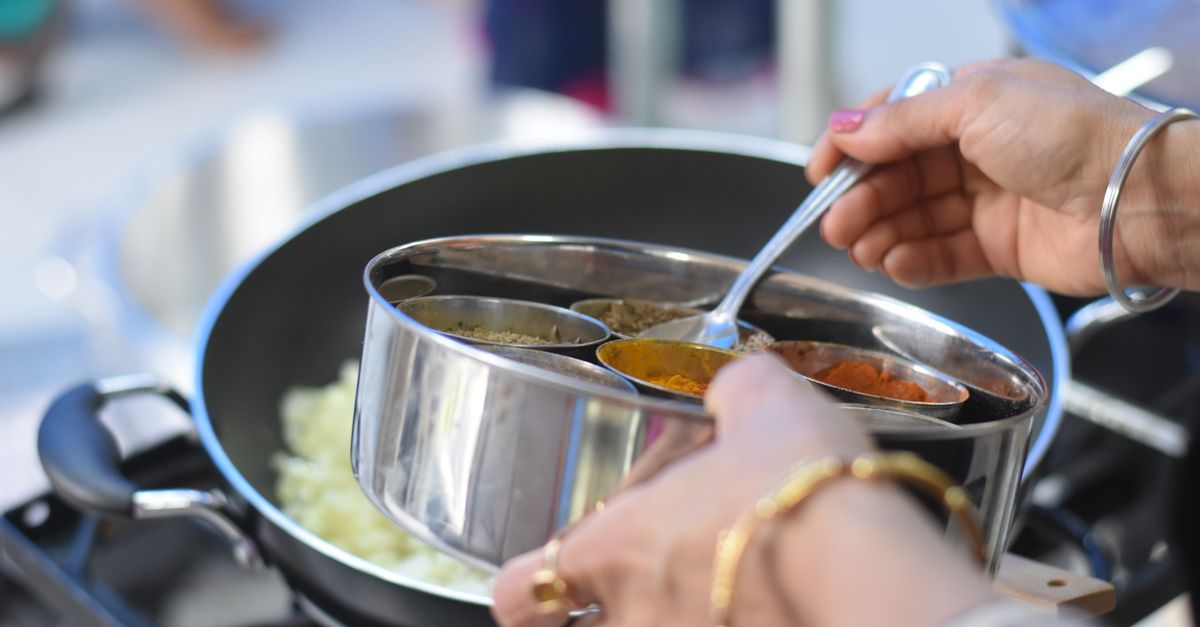
- Bloom whole seeds in hot fat. Oil or ghee, hot enough that the seeds sizzle and darken within seconds. That is where the aroma comes out, and burnt cumin turns bitter with no rescuing the pan.
- Dry roast, then grind, for finishing. A dry pan, a minute of movement, then a mortar. Roasted ground cumin over yoghurt tastes nothing like the raw powder.
- Buy whole, not ground. Ground cumin fades within a few months. Whole seeds keep far longer.
- Store it away from the stove. Airtight and dark, not on the shelf above the hob where heat and steam strip what you paid for.
- Pair it for taste. Ajwain, hing and coriander seed make a better tempering. Those are flavour decisions, because that is what they are.
Grandmothers were right about jeera the way they were usually right, which is about the cooking. The seed earned its place in kitchens on flavour and on making cheap food good. That is a strong record. It is just not the record that gets quoted.
Frequently asked questions
Does drinking jeera water every morning help you lose weight?
Not by itself. The water helps, the routine helps, and swapping a sweet drink for it helps. The seeds are doing far less than the ritual around them, and no drink taken on an empty stomach removes fat.
How much jeera is safe in a day?
In cooking, ordinary amounts of a teaspoon or two across a day are food and have been for centuries. Concentrated capsules are a separate question and worth raising with a doctor, particularly if you take medication that affects blood sugar.
Are cumin capsules better than cooking with cumin?
Better tested, not better established. The trials used capsules, so that is what the numbers describe, and those trials were small and short. Neither form has evidence strong enough to treat as a health intervention.
Can jeera lower blood sugar?
Pooled trial results point that way, at low certainty and in small studies. That is enough to be interesting and nowhere near enough to manage diabetes with. It is also the reason to mention cumin supplements to your doctor if you take glucose lowering medication.
Does jeera help with bloating and gas?
Many people find it settling and the tradition behind that is very old. Controlled evidence that cumin specifically relieves bloating is thin, so this is best treated as something to try rather than something proven. Bloating that persists deserves a medical opinion.
Is jeera safe in pregnancy?
Cumin in food is food and is eaten routinely in pregnancy. Supplement doses have not been studied well enough in pregnancy to recommend, which is a reason to stick to the kitchen and ask your midwife or doctor about anything stronger.
This article is general information, not medical advice, and is not a substitute for care from a qualified healthcare professional. Speak to your doctor about your own situation.
Leave a Reply