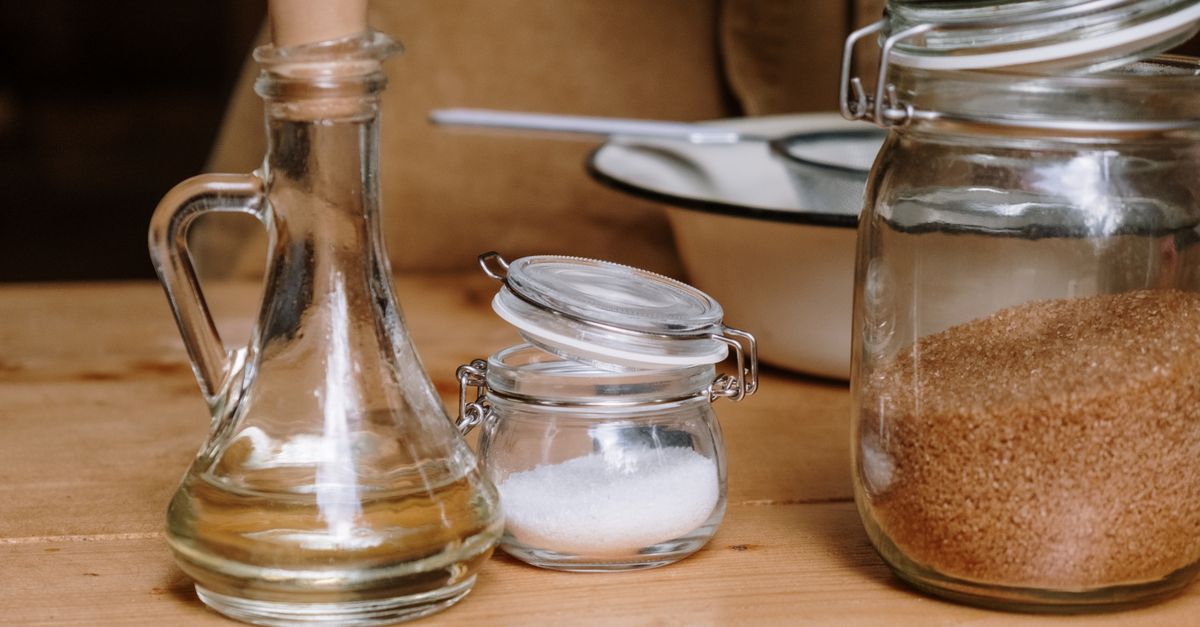
Neither one is the villain, and treating either as the enemy is what keeps people stuck. Fat and sugar both supply energy, and total energy is what governs weight. Where they differ is what else they do: added sugar crowds out nutrition, and saturated fat affects cholesterol. Both are worth limiting, for different reasons.
The fat versus sugar story has a satisfying shape. One nutrient was wrongly blamed, the other got away with it, and the record is now being corrected. The history is real: advice in the 1980s and 1990s emphasised cutting fat, manufacturers pulled fat out of products and put sugar in to keep them palatable, and the low fat aisle filled with things nobody would call healthy. What does not follow is that fat is harmless and sugar is uniquely fattening.
Does your body actually hate fat?
No, and it never did. Fat is a nutrient the body requires. It carries vitamins A, D, E and K, it forms part of every cell membrane, and it is raw material for several hormones. Eating too little of it causes real problems.
The guidance is also more specific than avoid fat. The NHS advice on fats separates them by type: saturated fat raises LDL cholesterol, unsaturated fats help lower it, and the recommendation is to swap saturated for unsaturated rather than to strip fat out. The stated ceilings are no more than 30g of saturated fat a day for men and no more than 20g for women.

Notice what kind of argument that is. It is about cholesterol, not weight. Saturated fat was never singled out for making people heavier, but for what it does to blood lipids. Two questions, two answers, and flattening them into one is how a slogan gets made.
Does sugar do something special to your weight?
Less than the slogan suggests, and the evidence here is unusually clear.
A systematic review and meta analysis of randomised trials looked at exactly this question. In trials where people were advised to cut free sugars, weight fell by 0.80 kg on average (95% CI 0.39 to 1.21). In trials where sugar intake was pushed up, weight rose by 0.75 kg on average, and by more in the trials that ran longest.
Then comes the finding that decides the argument. Across twelve trials that swapped sugars for other carbohydrates while holding energy intake the same, there was no effect on body weight at all. Same calories, different sugar content, same result.
Sugar affects body weight because it is easy to eat a lot of it without noticing, especially in liquid form. Not because sugar molecules do something to fat cells that other carbohydrates do not.
That changes what is worth doing. If sugar were metabolically special, removing it would work regardless of what replaced it. It is not, so swapping a sweetened drink for a large plate of something else achieves nothing. Why food quality still matters more than calorie counting covers the other half.
Do insulin spikes switch off fat burning?
Briefly, partly, and in everybody.
Insulin rises after a meal containing carbohydrate, and while it is elevated the body leans toward storing fuel rather than releasing it. This happens in lean people several times a day and reverses between meals. The switch moving back and forth is not a malfunction. It is fuel handling working.
The claim that overreaches is the next one: that these rises drive fat gain independently of how much you eat. If that held, people who secrete more insulin would do visibly better on a low carbohydrate diet. That has been tested head on. In a 12 month randomised trial of 609 adults, participants followed either a healthy low fat or a healthy low carbohydrate diet, with insulin secretion measured before they started. It did not predict who did better, and neither did their genotype.
The group averages landed close together too: 5.3 kg on the low fat arm and 6.0 kg on the low carbohydrate arm across the year, a gap of 0.7 kg that was not statistically significant. A trial average is a research finding, not a forecast for anyone in particular. What it rules out is the idea that either approach is metabolically superior, including for the subgroup theory said would benefit most.
Which parts of the fat versus sugar story hold up?
| The claim | What holds up | Where it breaks |
|---|---|---|
| Fat was wrongly blamed for weight gain | Fat is essential and does not uniquely cause fat gain | Saturated fat is still limited, for cholesterol reasons rather than weight |
| Sugar is uniquely fattening | Cutting free sugars does lower weight slightly in trials | At equal calories, swapping sugar for other carbohydrate changes nothing |
| Insulin spikes switch off fat burning | Insulin rises after meals and shifts the body toward storage | It reverses between meals, and insulin secretion did not predict who lost more |
| Fruit spikes insulin like sweets do | Fruit does contain sugars | Whole fruit brings fibre and water, and its sugars are not free sugars |
The middle column is the useful one. Almost every claim here has something real inside it, and the failure is the leap from that to a rule.
What does a damaged metabolism actually mean?
Very little, in the way the phrase is normally used. Metabolic rate is set mostly by body size and composition, with lean tissue the largest single contributor. It does adapt downward somewhat during sustained weight loss. What it does not do is break because of biscuits.
Insulin resistance and type 2 diabetes are real conditions with real diagnostic criteria, identified by blood tests rather than by matching yourself to a list of symptoms. Fatigue, bloating and weight that will not move have many possible causes, plenty unrelated to blood sugar. The difference between a cortisol belly and an insulin belly looks at one version of this labelling habit and why it misleads.
Is India’s diabetes rate a sugar story?
It is part of one, and only part.
The ICMR INDIAB national survey put diabetes prevalence among Indian adults at 11.4 percent and prediabetes at 15.3 percent, both considerably higher than earlier estimates suggested. Those numbers deserve to be taken seriously, and rising refined carbohydrate intake is genuinely part of the picture.
One nutrient does not explain them. South Asian populations tend to develop insulin resistance at lower body weights than European populations do, which shifts the whole risk curve before diet enters the conversation. Add urbanisation, less incidental movement and shorter sleep. Blaming sugar alone is tidy and leaves most of the causes unaddressed.
What actually governs whether any of this works?
| What | How much it matters | Why |
|---|---|---|
| Total energy across the week | Most | Weight follows energy balance regardless of which foods supplied it |
| Protein and fibre at each meal | A lot | They make a smaller intake tolerable instead of miserable |
| Free sugars, especially in drinks | A lot, quietly | Easy to consume in quantity without registering it as food |
| Which type of fat | For cholesterol, not weight | Swapping saturated for unsaturated changes LDL, not the scale |
| Sleep and stress | More than most people expect | They act on appetite and on whether any plan survives the week |
| Which nutrient you have decided to hate | None | Both arms of the trial above finished in much the same place |
Where sugar does earn specific attention, the advice is quantified rather than absolute. The WHO guideline on sugars intake recommends free sugars stay below 10 percent of total energy, with a further conditional recommendation below 5 percent. Free sugars means sugar added to food and drink plus what is in honey, syrups and fruit juice. As the WHO healthy diet guidance sets out, whole fruit, vegetables and plain milk are excluded.
What does this look like on an actual plate?
None of this argues for eating more sugar, or for relaxing about refined carbohydrate. It argues for the same changes with an honest reason attached. A meal built on refined starch alone leaves most people hungry sooner, which is a practical problem before it is a metabolic one.
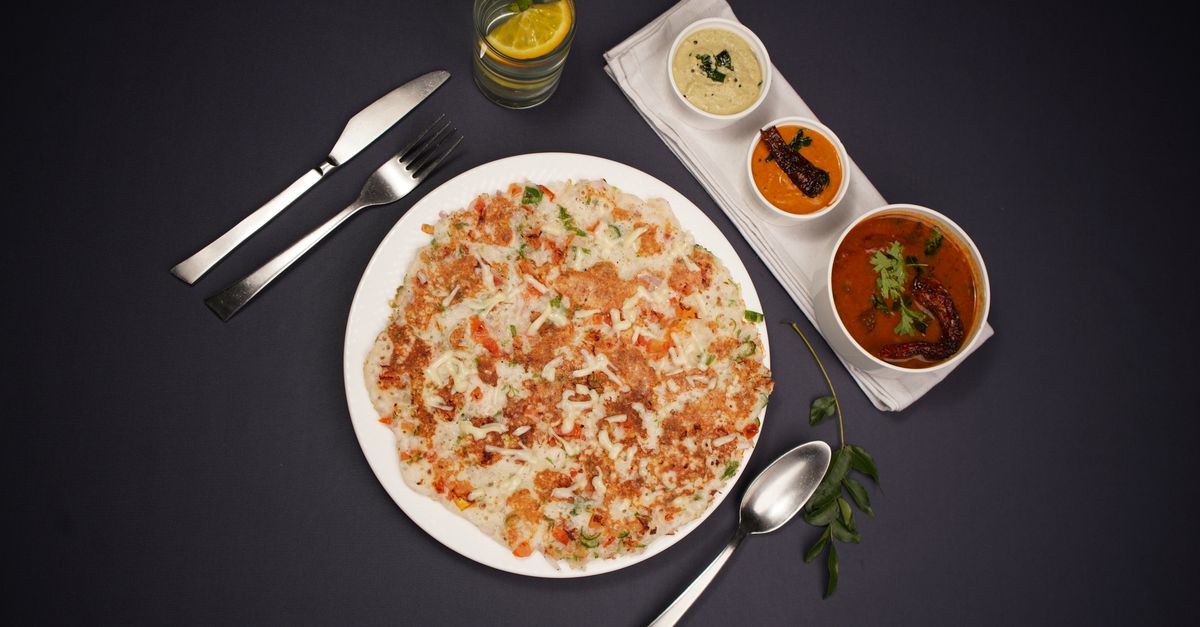
- Poha or upma with peanuts, eggs or vegetables, rather than on its own
- Whole fruit in place of fruit juice, where free sugars hide best
- Curd, eggs or leftover dal at breakfast if breakfast is currently cereal
- Ghee and oil in normal cooking amounts, neither avoided as poison nor taken by the spoon as medicine
- Chai as chai, rather than as the delivery mechanism for four biscuits
- Nuts, chana or makhana when something has to be eaten between meals
The bread versus roti comparison works through one of these swaps in detail, and what a calorie deficit actually is covers the arithmetic they all sit inside.
The trouble with the slogan is not the foods it points at. It is that the change is promised through a mechanism that does not survive contact with the evidence, and when people notice, the sensible advice attached to it goes out with it.
When is this worth taking to a doctor?
If weight has not moved despite sustained effort, or if fatigue and other symptoms are the bigger problem, a consultation and a blood test will tell you more than any argument about which nutrient to fear. Thyroid conditions, PCOS, insulin resistance and several common medications all affect weight, and none are diagnosable from a food list. What actually works for abdominal fat ends in the same place.
Frequently asked questions
So is fat or sugar worse for weight loss?
Neither, on its own. At matched calories neither has a special effect on body weight, which is what the trials show. They differ on other things: saturated fat on LDL cholesterol, free sugars on teeth and on how easily intake climbs without you noticing.
Does cutting sugar on its own cause weight loss?
Trials of advice to cut free sugars found a small average reduction of around 0.80 kg, largely because total intake fell alongside it. When the calories come back through something else on the plate, the weight does not change.
Is ghee good for weight loss?
Ghee is a fat like any other: energy dense and mostly saturated. Nothing in it removes body fat. Used in normal cooking amounts within the saturated fat limits it is an ordinary part of a diet. Added by the spoonful as a remedy, it is simply more energy.
Do insulin spikes stop me burning fat?
Insulin rises after meals in everyone and falls again between them, moving the body between storing and releasing fuel through the day. What was tested directly is whether people who secrete more insulin do better on low carbohydrate diets, and they did not.
Is jaggery better than white sugar?
Only trivially. Jaggery carries trace minerals that refined sugar does not, in amounts too small to matter nutritionally. Both are free sugars and both count toward the same limit.
Can eating too much fruit make me gain weight?
Any food can, if it pushes total intake above what you use. Whole fruit is among the less likely candidates, since it comes with fibre and water and its sugars are not classed as free sugars. Fruit juice is a different matter and does count.
This article is general information, not medical advice, and is not a substitute for care from a qualified healthcare professional. Speak to your doctor about your own situation.
Leave a Reply