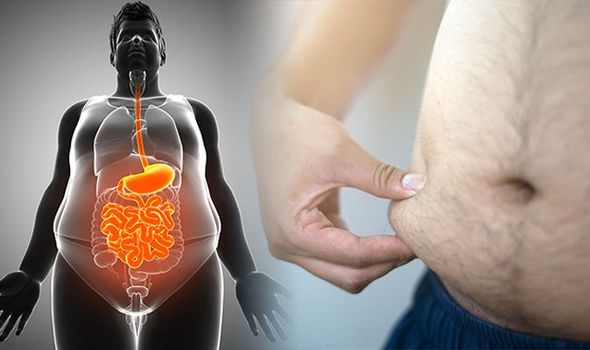
No food burns fat from your middle. What shrinks a waistline is a sustained energy deficit held long enough to matter, plus the eating changes that make one bearable: more protein, more fibre, fewer sugary drinks, less alcohol. The deep abdominal fat that matters most for health often responds to that earlier than the layer you can pinch.
Why is belly fat treated as its own problem?
Two different kinds of fat sit around the abdomen. Subcutaneous fat is the layer directly under the skin, the part you can hold between finger and thumb. Visceral fat sits deeper, packed between and around the liver, pancreas and intestines, and you cannot feel it at all.
The deeper store behaves differently. It is more metabolically active, it drains fatty acids straight into the circulation that serves the liver, and larger amounts of it track with insulin resistance, type 2 diabetes and cardiovascular disease. That is the reason a waist measurement carries information a scale weight does not. NHS guidance for adults with a BMI under 35 is to keep waist size to less than half your height, measured around the middle rather than at the trouser line. The deeper store is covered on its own in how to burn visceral fat.
A tape measure describes a body, it does not assess one. Anyone worried about their waist, their blood sugar or their family history has a better first move, which is asking a doctor.
Can any food target fat around the middle?
No, and this is the claim to be most suspicious of, because most of what is sold under the heading of natural belly fat loss depends on it. Fat is not withdrawn from the region nearest to whatever you ate. It is released into the bloodstream from stores all over the body and used wherever energy is needed, in a pattern set largely by genetics, sex and hormones.
What food does control is the total, and the total is what moves fat everywhere including the middle. What a calorie deficit actually is covers the arithmetic. How to burn belly fat covers why the training side does not change the targeting either. The useful reframing is that no food burns belly fat, and some foods make a deficit far easier to hold for months, which is the entire game.
Which eating changes actually do something?
| Change | What it does | What it does not do |
|---|---|---|
| More protein, roughly 1.2 to 1.6 g per kg of body weight | Blunts hunger, protects muscle while you are eating less | Create a deficit by itself, or burn fat |
| Fibre worked up toward 30 g a day | Slows meals down, improves fullness, feeds gut bacteria | Reduce fat in one region |
| Cutting sugary drinks | Removes energy that barely registers as food | Compensate for the rest of a poor week |
| Drinking less alcohol | Removes dense energy and the unplanned eating that follows it | Work if the calories move elsewhere |
| Cooking more meals at home | Lowers energy density and portion drift without counting | Matter if portions grow to match |
| Green tea, chilli, vinegar, cinnamon | Very small, short lived effects in laboratory conditions | Show up on a waist measurement |
The first two rows are where almost all of the honest gain sits. The last row is where almost all of the marketing sits, and that mismatch is the most useful thing to understand here.
How much protein and fibre are we actually talking about?
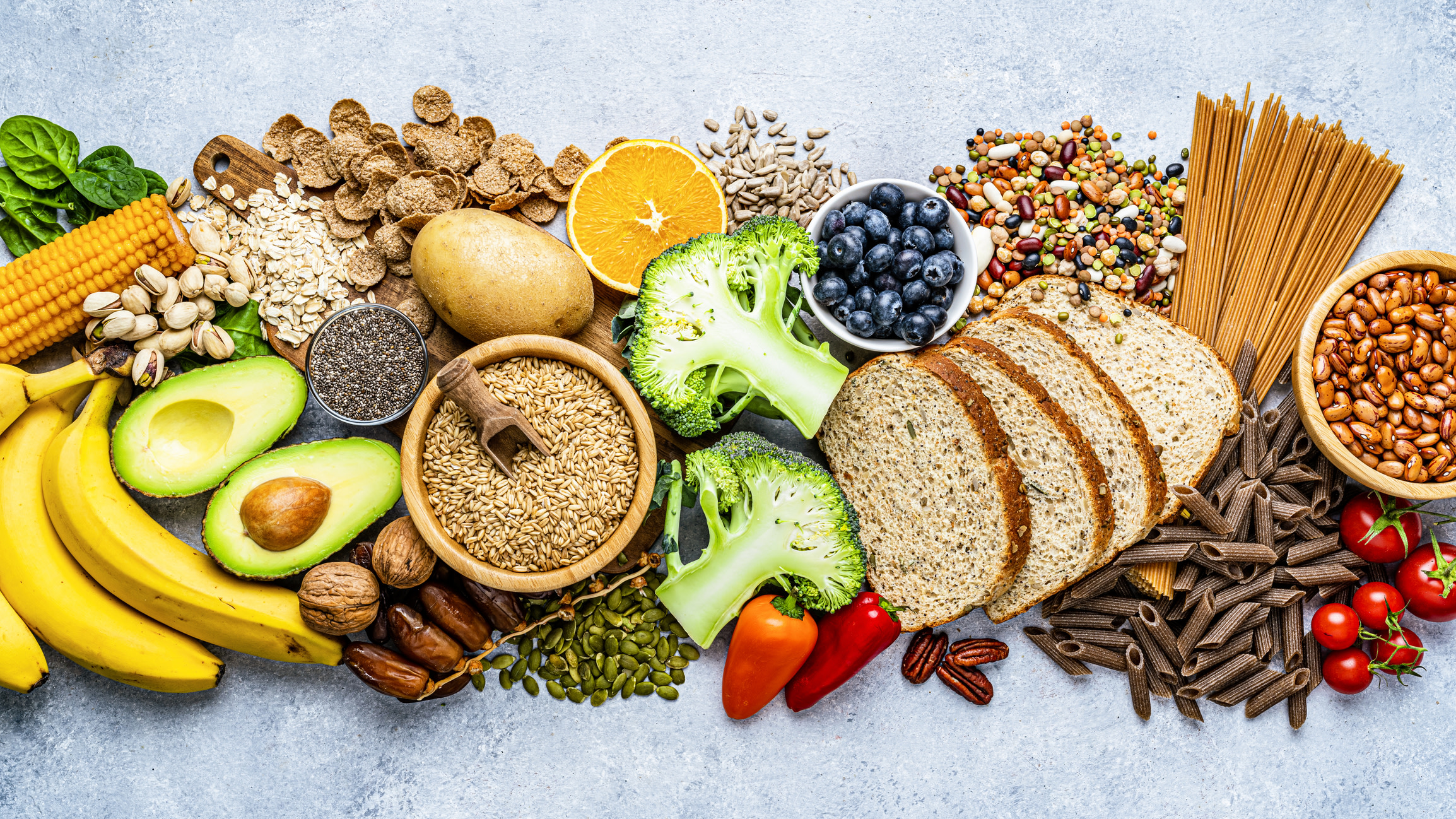
Protein intakes of about 1.2 to 1.6 g per kilogram of body weight a day are the range commonly used in weight loss research, above the minimum needed to avoid deficiency and below anything exotic. For a person of 75 kg that is roughly 90 to 120 g a day, which lands at 25 to 35 g a meal. In real food, 30 g of protein looks like any one of these:
- About 120 g of cooked chicken, fish or lean meat
- Four eggs, or two eggs alongside a large pot of Greek yoghurt
- About 150 g of paneer or firm tofu
- Around 250 g of cooked lentils or chickpeas, which brings a useful amount of fibre with it
Fibre has an official number attached to it. UK government guidelines put adult intake at 30 g a day, and NHS advice notes that most adults manage only about 20 g. Closing a 10 g gap is unglamorous and achievable: beans or lentils in one meal a day, wholegrain versions of bread, rice and pasta, skins left on fruit and vegetables, a handful of nuts instead of a biscuit. Increase it gradually and with more water, or the first week is uncomfortable enough to make people quit.
Do sugary drinks and alcohol matter more than other calories?
They are worth naming separately, for two different reasons.
Sugary drinks deliver energy that does very little to reduce what you eat afterwards, and there is controlled evidence that the type of sugar matters for where fat lands. In a ten week trial published in the Journal of Clinical Investigation, adults drinking beverages sweetened with fructose at 25 percent of their energy needs gained visceral fat, while those drinking glucose sweetened beverages did not, despite similar total weight gain. That was a high dose under supervision, so it is a reason to take liquid sugar seriously rather than proof that one can a day rearranges your body.
Alcohol is simply dense, at seven calories per gram. NHS figures put a 175 ml glass of 12 percent wine at up to 158 calories and a pint of 5 percent beer at up to 222. Add the eating that tends to follow a few drinks and the weekly total moves further than the units alone suggest.
Do thermogenic foods like green tea, chilli and vinegar do anything?
Something, but not enough to plan around. A Cochrane review of green tea preparations in overweight and obese adults found a small weight change that was not statistically significant and, in the reviewers’ own judgement, not large enough to matter clinically. Capsaicin from chilli raises energy expenditure measurably in laboratory settings, by an amount too small to register on a waist. Vinegar has short trials behind it with modest and inconsistent results.
None of these is a bad thing to eat or drink. The honest version is that they earn their place by displacement rather than activation. Green tea instead of a sweetened drink is a real change, because of the 140 calories it replaced, not because catechins did something to your metabolism.
What about artificial sweeteners and diet foods?
In 2023 the World Health Organization advised against using non sugar sweeteners to control body weight or reduce the risk of noncommunicable disease, after a review found no long term benefit for body fat in adults or children and signals of possible harm in longer term observational data. The WHO called that recommendation conditional and the evidence low certainty, which is worth repeating rather than flattening.
So the practical reading is narrow. Swapping a sugary drink for a diet version genuinely removes sugar today, and diet drinks are not the reason a waistline is stuck, but building a long term plan on sweetened diet products has not been shown to reduce body fat. The separate claim that sweeteners spike insulin and drive cravings is not well supported either. Packaged foods labelled as diet, light or low fat deserve more suspicion than the sweetener does, because the energy density is often unchanged and the portion is small.
Does eating alone get you there?
It does most of the work on the deficit and little of the work on what is left behind. Weight lost without resistance training includes more muscle, and muscle is what makes a smaller body look and function the way people are hoping for. That matters most in the years around menopause, when lean mass is measurably falling while fat rises. Two or three sessions a week changes that outcome, and walking, which nobody counts as exercise, quietly moves more of the weekly energy total than the sessions do.

Sleep and stress belong here too, not because they burn anything, but because they decide whether the eating survives contact with a normal week. Short sleep makes hunger louder for the same meals. Sustained stress does something similar by a different route, and cortisol has a genuine, often overstated, association with where fat is stored. A full eating pattern to hang this on is set out in the best diet to lose belly fat.
How would you know it is working?
Measure the waist rather than watching only the scale. A tape at navel height, taken at the same time of day once a month, tracks this better than a daily weight does. Body weight is still useful as a weekly average, because water shifts of a kilogram mean nothing and daily readings invite quitting over noise.
Expect the first visible changes somewhere other than your stomach, since that is usually where the body lets go last. The health payoff arrives before the cosmetic one, and NHS advice notes that losing 5 to 10 percent of body weight improves health markers. Anyone whose waist is more than half their height, or who wants help rather than another plan, can raise it with a GP.
This article is general information, not medical advice, and is not a substitute for care from a qualified healthcare professional. Speak to your doctor about your own situation.
Does apple cider vinegar reduce belly fat?
Not in any amount you would notice. The trials behind the claim are small and short, the effects reported are modest and inconsistent, and none of them show fat being removed from one region. Vinegar on a salad is fine. Vinegar as a strategy is not.
Is a high protein breakfast better for belly fat?
It is often better for the day, which is a different claim. Protein early tends to reduce how much people eat later, and hitting a daily protein target is easier when the first meal contributes 25 to 35 g rather than almost nothing. The timing itself does not target the abdomen.
Do carbohydrates cause belly fat?
Carbohydrate itself does not. Diets low in carbohydrate often work because they cut a large block of easily eaten food, which lowers total intake. Refined carbohydrates are easy to eat in quantity and light on fibre, so replacing some with wholegrains, beans and vegetables helps through fullness rather than through anything specific to insulin.
Can I lose belly fat without counting calories?
Many people do. Counting is one way to reach a deficit, not the deficit itself. Raising protein and fibre, cutting liquid calories and cooking more meals at home moves the weekly total without a single entry in an app, and it is easier to keep going for a year.
Does drinking more water reduce belly fat?
Water does not burn fat, though drinking it before meals slightly reduces how much some people eat, and it replaces drinks that carry sugar. Hydration is also the difference between raising fibre comfortably and spending a week regretting it.
Is visceral fat harder to lose than the fat you can pinch?
Usually the opposite. Deep abdominal fat tends to respond early to a sustained deficit and to regular activity, which is why waist measurements and health markers often improve before the layer under the skin looks different. The visible change lagging behind is normal, not failure.
Leave a Reply