No food burns fat, and the inflammation link mostly runs the other way: carrying excess fat drives low grade inflammation rather than the reverse. What anti-inflammatory eating gives you is a pattern built on fish, vegetables, olive oil and whole grains that is filling and hard to overeat, and losing fat on it brings inflammation markers down.
Does inflammation cause fat gain, or does fat cause inflammation?
Mostly the second, and the order matters far more than any food list. Body fat is not inert padding. Fat tissue releases signalling molecules, and when there is a lot of it, particularly around the organs, that signalling keeps the immune system mildly switched on all the time. Inflammatory markers such as C-reactive protein tend to sit higher in people carrying more fat, and tend to come down as they lose it.
The opposite direction is where most of the selling happens. The story goes that the inflammation came first, that it has jammed your metabolism shut, and that cooling it will release the fat. There is genuine research into inflammation as part of that loop rather than only a consequence of it, and it is unresolved. Harvard’s review of the anti-inflammatory diet says the research on its exact mechanism is not conclusive, which is a fair summary of where things stand.
So the defensible version is this. Fat and inflammation travel together. Losing fat reliably brings inflammation down. Whether bringing inflammation down by itself takes fat off is the part nobody has demonstrated, and a plan sold on that promise is running ahead of its evidence.
Can any food burn fat?
No, and it is worth saying flatly, because the phrase sits on every second article about eating. Food supplies energy, it does not remove it. Some foods make it easier to eat less without feeling deprived, protein and fibre most of all, and digesting food costs a small amount of energy. Neither of those things is fat burning in the sense the phrase is meant to suggest.
Fat comes off when energy taken in stays below energy used for long enough to show. Food choice matters enormously, but through that route: what keeps you full, what you can still be doing on a wet Tuesday in February, what you actually like eating. How a calorie deficit really works covers the mechanism this all runs through.
That changes what to do with the list below. Salmon and spinach are not acting on your fat cells. They are the raw material for a filling, nutritionally dense way of eating, and that is the mechanism worth caring about. The same Harvard review makes the point from the other end: the anti-inflammatory pattern says nothing about portion size, so it is entirely possible to gain weight while following it. Olive oil, nuts and avocado are calorie dense. Adding them on top of everything else you already eat is not a neutral act.
What do the six usual foods actually do?
The six that appear on almost every anti-inflammatory list are there for real reasons. The reasons are just smaller and more ordinary than the headlines around them. Here is each one with the claim held apart from what it will support.
| Food | What it reasonably supports | What it does not do |
|---|---|---|
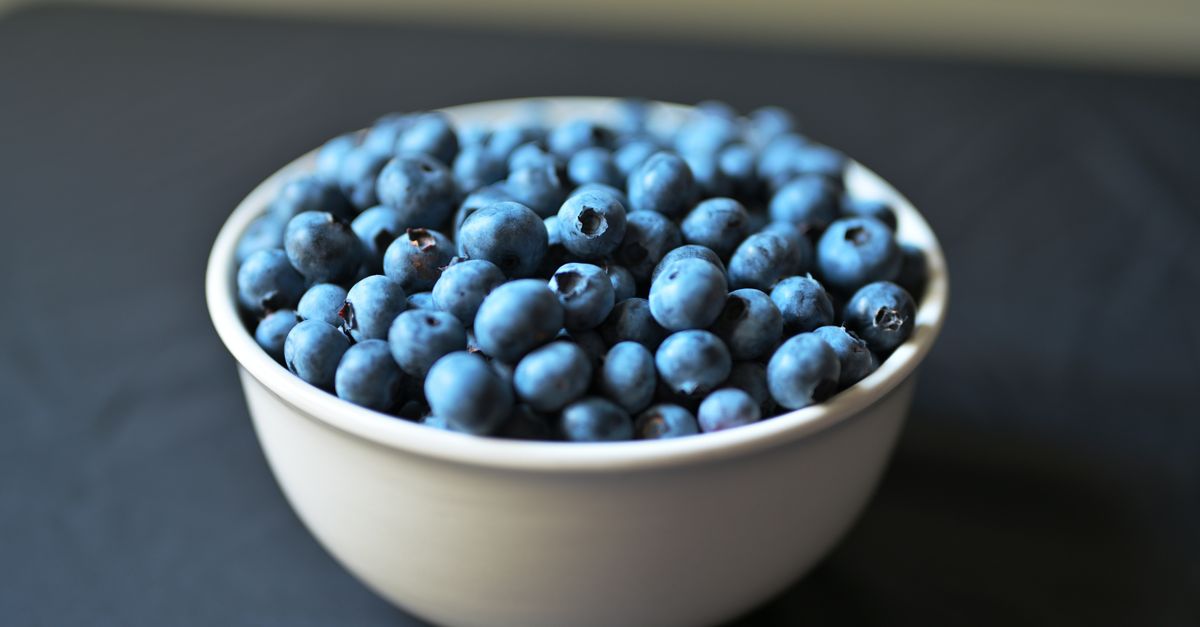
| Blueberries | Fibre and anthocyanins, and a low energy way to make a sweet craving less pressing | Raise metabolic rate, or control blood sugar independently of the rest of the meal |
| Avocado | Monounsaturated fat, potassium and fibre, in a meal that stays satisfying longer | Remove abdominal fat, or target any single area |
| Extra virgin olive oil | The backbone fat of Mediterranean eating, and a sound replacement for butter | Improve fat metabolism, and it is still around 120 calories a tablespoon |
| Oily fish | EPA and DHA, plus protein, and the nutrient here most people genuinely fall short on | Lower cortisol, or melt fat in any sense |
| Nuts and seeds | Protein, fibre, magnesium, and unusually good appetite blunting for their size | Count as free food, since a generous handful is a meal component not an afterthought |
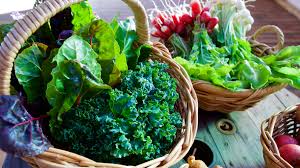
| Leafy greens | Fibre, folate, vitamin K, potassium, and bulk for very little energy | Detoxify anything, or reliably reduce bloating |
Which of these claims do not survive checking?
Four ideas usually travel with this list, and they are the ones doing the persuading. None of them holds.
- “Chlorophyll detoxifies your liver, your main fat burning organ.” The liver clears what needs clearing as a matter of routine, alongside the kidneys, and does not wait for a green vegetable to begin. The British Dietetic Association’s fact sheet on detox diets treats the whole category as marketing. Greens earn their place on fibre and micronutrients instead.
- “Omega-3 lowers fat storage hormones such as cortisol.” Cortisol does not work as a simple fat storage switch, and the evidence that fish oil meaningfully lowers it in people who are otherwise well is thin. Eat the fish for the fish.
- “Avocado fights belly fat.” Nothing you eat selects a body region. Where fat sits, and the order it leaves in, is set largely by genetics, sex and hormones. Cortisol belly and insulin belly covers the version of this question people usually mean when they ask it.
- “It works without calorie restriction.” The pattern is a good one and it is not exempt from arithmetic. What it does is make eating less feel less like a project.
How much oily fish, and what if you do not eat fish?
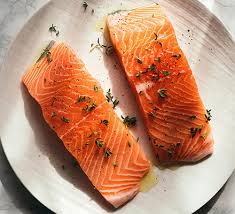
This is the one item on the list carrying a specific public guideline. The NHS advises at least two portions of fish a week, one of them oily, with a portion about 140g cooked. Salmon, sardines, mackerel, herring and trout all count.
There is a ceiling worth knowing about. The same guidance asks girls, women who are planning a pregnancy or may want children later, and women who are pregnant or breastfeeding to keep oily fish to no more than two portions a week, because pollutants found in oily fish can build up in the body. That is a limit on the amount, not a reason to avoid it.
Without fish, flax, chia and walnuts supply ALA, which the body converts into EPA and DHA at a low and variable rate, so they are not a like for like swap. Algal oil supplies EPA and DHA directly and is the closest vegan equivalent. If a supplement is on your mind, that is a conversation for a doctor or a registered dietitian, particularly alongside blood thinning medication.
What does the pattern look like on an actual plate?
The anti-inflammatory diet is not really a diet. It is a description of eating patterns that already existed, Mediterranean eating chief among them, with DASH and MIND alongside it. Vegetables and fruit, unsaturated fats, minimally refined whole grains, oily fish, herbs and spices, tea and coffee. Much of what it does is displace heavily processed food, refined starch and sugary drinks, and a fair share of the benefit probably comes from that displacement rather than from anything added.
In practice it looks like this. Vegetables filling a third to a half of the plate. A protein you would happily eat again next week. Olive oil as the default cooking fat rather than butter. Whole grains in place of white ones more often than not. Fruit as the standard sweet thing. There is no banned list in it and no compulsory ingredient.
It is worth naming what the pattern does not settle. The best diet for belly fat goes into why the particular diet chosen matters less than whether you can keep to it, which is the finding that survives every head to head comparison anyone runs.
How would you know whether it is working?
Inflammatory markers are not something to chase at home. C-reactive protein can be measured, it moves with infection, injury, a hard workout and a bad night, and one reading in isolation tells you very little.
The useful signals are duller than that. Whether you are hungry between meals the way you used to be. Whether the evening picking has eased off. Whether your waist measurement, taken monthly rather than daily, has moved. Whether energy through the afternoon is steadier. Those are slow and unglamorous, and they track what is actually happening better than anything faster does.
Weight itself shifts for a dozen reasons across a week, most of them water. It is a useful number over a month and a poor one over a day.
When is food not the thing to change?
If the eating and the movement have genuinely been in place for months and nothing has shifted, food is probably not the variable left over. Thyroid conditions, PCOS, several common medications, sleep disorders and sustained stress all affect body weight, and none of them responds to more spinach. A doctor can check for those in a way no article can.
The same applies if inflammation is the literal concern rather than a figure of speech. Persistent joint pain, swelling or ongoing fatigue deserve proper assessment rather than a shopping list. And if food or your body has become something you think about most of the day, that is worth raising with a doctor as well, because it is a different problem from the one this page can help with.
Frequently asked questions
Do anti-inflammatory foods burn fat?
No. No food burns fat. Blueberries, avocado, olive oil, oily fish, nuts and leafy greens are nutritious and filling, which makes eating less easier to sustain, and that is the route through which they help. Nothing on the list acts on fat cells directly.
Does chronic inflammation stop you losing weight?
The link is real but it mostly runs the other way. Carrying more body fat raises inflammatory signalling, and losing fat lowers it. That inflammation on its own blocks fat loss, or that calming it releases fat, has not been established.
Is the anti-inflammatory diet good for weight loss?
It is a sound way to eat, and it is not a weight loss plan. It sets no portion sizes, so gaining weight on it is entirely possible, particularly given how calorie dense olive oil, nuts and avocado are. It helps when it replaces heavily processed food rather than being added to it.
How long does it take for eating this way to lower inflammation?
There is no useful figure to give, because it depends on what is driving the inflammation in the first place, and single readings of markers like C-reactive protein move with infection, injury and poor sleep. Anyone quoting a number of days is guessing.
Can I get omega-3 without eating fish?
Partly. Flax, chia and walnuts supply ALA, which the body converts into EPA and DHA at a low and variable rate, so they are not a direct substitute. Algal oil supplies EPA and DHA directly. A doctor or registered dietitian is the right person to ask about supplementing, especially alongside blood thinning medication.
Do leafy greens detox the liver?
No. The liver and kidneys clear waste continuously as ordinary function and do not need dietary help to start. Greens are worth eating for fibre, folate, vitamin K, potassium and the bulk they add for very little energy.
This article is general information, not medical advice, and is not a substitute for care from a qualified healthcare professional. Speak to your doctor or a registered dietitian about your own situation.
Leave a Reply