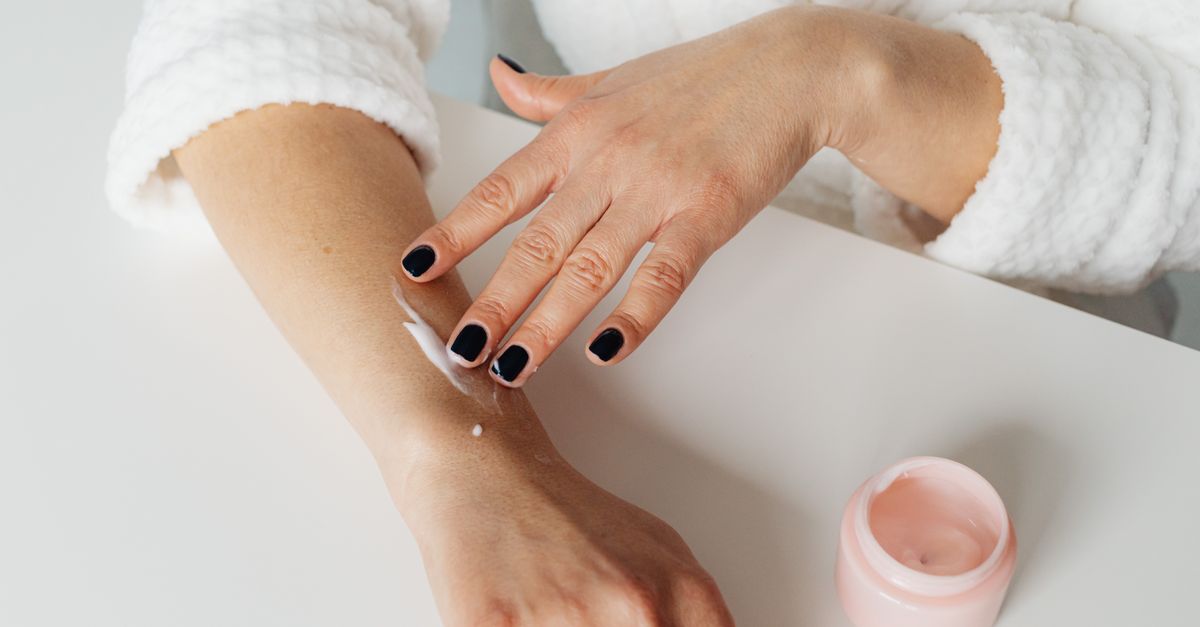
Skin does pull back after weight loss, but only partly, and nothing you eat, rub on or lift will remove skin that is genuinely surplus. How much comes back depends on your age, how much you lost, how long the skin was stretched and how much elastic fibre survived it. Surgery is the only thing that removes skin.
Why does skin stay loose after weight loss?
Two things happen to skin when a body gets bigger. It stretches, and it also grows. The surface area increases, so there is physically more skin than a smaller body needs. When the fat underneath goes, the stretching can partly reverse. The extra area does not simply vanish.
What governs how much reverses is the state of two protein networks in the dermis. Collagen gives skin its structure and the body replaces it throughout life. Elastin gives skin its recoil, the property that lets it spring back, and adult skin renews elastin extremely slowly. Prolonged stretching damages that elastic network, and what is lost there is not readily rebuilt.
This is why tightening is the wrong word for what happens. Skin with intact recoil does some of the work by itself. Skin that has lost the fibres responsible will not, whatever is applied to the outside of it.
How much loose skin pulls back on its own?
It depends, and most of what it depends on is already decided by the time anyone asks the question.
- How much weight came off. A larger loss leaves more surface area behind, and there is no way around that arithmetic.
- How long the skin was stretched. Carrying the same weight for years does more damage to the elastic network than a short period does.
- Age. Collagen is replaced more slowly with age, and the elastic network is thinner to begin with.
- Genetics. Baseline skin thickness and fibre quality vary a great deal between people, and this is the factor nobody can do anything about.
- Cumulative sun exposure and smoking. Both degrade dermal collagen and elastin over years, which is one more reason for the NHS advice on sun protection.
- Where on the body it is. The abdomen, upper arms and inner thighs show it most, because those areas stretch furthest and gravity works against them.
Someone who lost a moderate amount in their twenties often ends up with skin that nobody but them would notice. Someone who carried a great deal of extra weight for two decades and lost it in their fifties usually does not. No article can tell you which of those you are, and anyone quoting you a timeline for skin recovery is guessing.
Does building muscle underneath actually help?
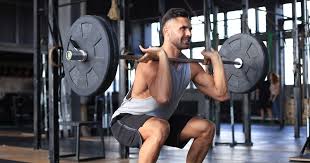
It helps, in a narrow and honest sense. Muscle does not shrink skin. It occupies the space beneath it, so the same envelope of skin sits over more tissue and drapes less. In the upper arms, shoulders, chest and thighs that difference is visible and worth having. It does far less for a large apron of abdominal skin, where the surplus is simply too big for anything underneath to take up.
There is a second reason to train, and it is the better one. Part of the weight lost in any energy deficit is lean tissue rather than fat, and resistance training with enough protein reduces how much of it goes. Less muscle lost means less of the hollowed out, deflated look that people are often reacting to when they say their skin has gone loose. The NHS physical activity guidelines ask adults to work all the major muscle groups on at least two days a week, which is a floor rather than a target.
Can food, supplements or creams tighten loose skin?
Nutrition supports the skin’s ability to build collagen. It does not remove skin that is surplus to the body underneath. Vitamin C is required for collagen synthesis and dietary protein supplies the amino acids collagen is built from, so falling short of either is worth correcting for its own sake. Going well beyond what you need has not been shown to do anything for loose skin.
Collagen peptide supplements are the most heavily marketed answer to this question. Trials of them report small changes in measured skin elasticity and hydration, usually in facial skin, usually over a few months, and frequently with funding from the companies selling the product. Taken at face value that is a reading on a device, not a fold that went away. Nothing in that literature supports the idea that stretched abdominal or upper arm skin will retract after major weight loss.
Topical products act on the outer layers. Retinoids, hyaluronic acid and peptides can change how skin looks and feels at the surface, and moisturising skin that sits inside a fold genuinely helps with dryness, itching and chafing, which matters day to day. None of it removes tissue, because no cream can reach the problem. Massage, dry brushing and cold water briefly change blood flow and have no bearing at all on how much skin is there.
What do skin tightening treatments and surgery actually do?

Clinics offer a spectrum, and the honest way to read it is by what each thing physically does. Devices heat or injure the dermis to provoke collagen remodelling. Surgery cuts skin out. Those are different categories of intervention aimed at different degrees of the problem, and the marketing tends to blur them.
| Approach | What it can change | What it cannot do |
|---|---|---|
| Resistance training and adequate protein | Fills the space under the skin with lean tissue and improves the shape of arms, shoulders and legs | Reduce the amount of skin present |
| Moisturisers, retinoids and peptides | Surface texture, dryness and comfort inside skin folds | Remove or shrink surplus skin |
| Collagen and skin supplements | Small measured changes in elasticity reported in short trials, mostly facial skin | Resolve loose skin after major weight loss, which has not been shown |
| Radiofrequency, ultrasound and microneedling | Aimed at mild laxity, over repeated sessions, with gradual and modest results | Remove tissue, so they have little to offer a genuine fold |
| Time and a stable weight | Real, gradual recoil where the elastic network survived | Rebuild elastic fibre that was lost |
| Skin removal surgery | Removes the excess skin, which nothing else does | Avoid permanent scars, recovery time and surgical risk |
Surgery is the part most people are circling when they ask this question, even when they hope the answer is a cream. NHS services describe excess skin after major weight loss as a cause of real medical problems, not only appearance, because the weight and volume of it can cause rashes, infection and difficulty moving and washing. The procedures involved are named plainly on the NHS body contouring service pages: abdominoplasty and panniculectomy for the stomach, brachioplasty for the arms, thigh lift, and belt lipectomy for the lower body.
On the NHS this is funded only where the functional problems are significant, and surgeons generally expect weight to have been stable for around two years first. That waiting requirement is not bureaucracy. Operating before weight has settled risks doing it twice. Privately the same operations are easier to access, and they are still major surgery with scars, a recovery period and complication risk, which makes it a conversation with a surgeon rather than something to decide from a web page.
What is actually within your control?
Less than the five step lists suggest, and more than nothing. The items below are worth doing on their own merits, which is a better reason than a promise about skin.
- Avoid repeated large regain and loss cycles. Each one stretches the same tissue again, and the damage accumulates.
- Lose at a pace you can keep up. The established reasons are adherence and holding on to muscle, both covered in the British Dietetic Association guidance on reaching a healthier weight. Evidence that pace alone changes the final skin outcome is thinner than the internet suggests, so do it for the reasons that hold up.
- Protect the fibres you still have. Sun protection and not smoking will not undo past damage, and they stop you adding to it.
- Train the areas you can influence. This is where the saggy skin question and the stubborn areas around the waist overlap, and where effort actually shows.
- Get a medical opinion if the folds are causing problems. Rashes, sores and restricted movement are medical findings, and they change which options are open to you.
None of this is the answer people want, which is that the skin will go back to how it was. For some people it largely does. For others it does not, and being told otherwise by an article costs them months of creams and disappointment before they ask a doctor. Losing the weight was the hard part and it was worth doing. The skin question has a separate, more limited set of answers, and it is better to know which one applies to you than to keep buying the promise.
Frequently asked questions
Will loose skin go away on its own?
Partly, and how much depends on how large the loss was, how long the skin was stretched, your age and your genetics. Where the skin has kept its recoil it does draw back. Where there is a genuine surplus of tissue, it does not, and no amount of waiting changes that.
Does losing weight slowly prevent loose skin?
A pace you can sustain has clear benefits for adherence and for holding on to muscle, so it is worth doing. The evidence that speed by itself decides the final skin outcome is weak. How much you lose and how long the skin was stretched matter more than how fast.
Do collagen supplements help with loose skin after weight loss?
There is no good evidence that they do. Trials report small changes in measured skin elasticity, mostly in facial skin, over short periods, often industry funded. That is not the same as a fold of abdominal or arm skin retracting, and it has not been shown.
Can exercise tighten loose skin?
Exercise changes what sits under the skin rather than the skin itself. More lean tissue beneath the same envelope means it drapes less, which is visible in the arms, shoulders and legs. It does not reduce how much skin there is.
Does drinking more water tighten skin?
Being dehydrated makes skin look and feel worse, so drinking enough is worth it. Drinking past what your body needs does not tighten anything. Hydration changes how plump the surface looks for a while, not the amount of tissue underneath.
When should I see a doctor about loose skin?
If folds are causing rashes, infections, sores, or getting in the way of washing, moving or exercising, that is a medical issue rather than a cosmetic one and it changes what help is available. It is also worth raising if it is affecting your mental health.
This article is general information, not medical advice, and is not a substitute for care from a qualified healthcare professional. Speak to your doctor about your own situation.
Leave a Reply