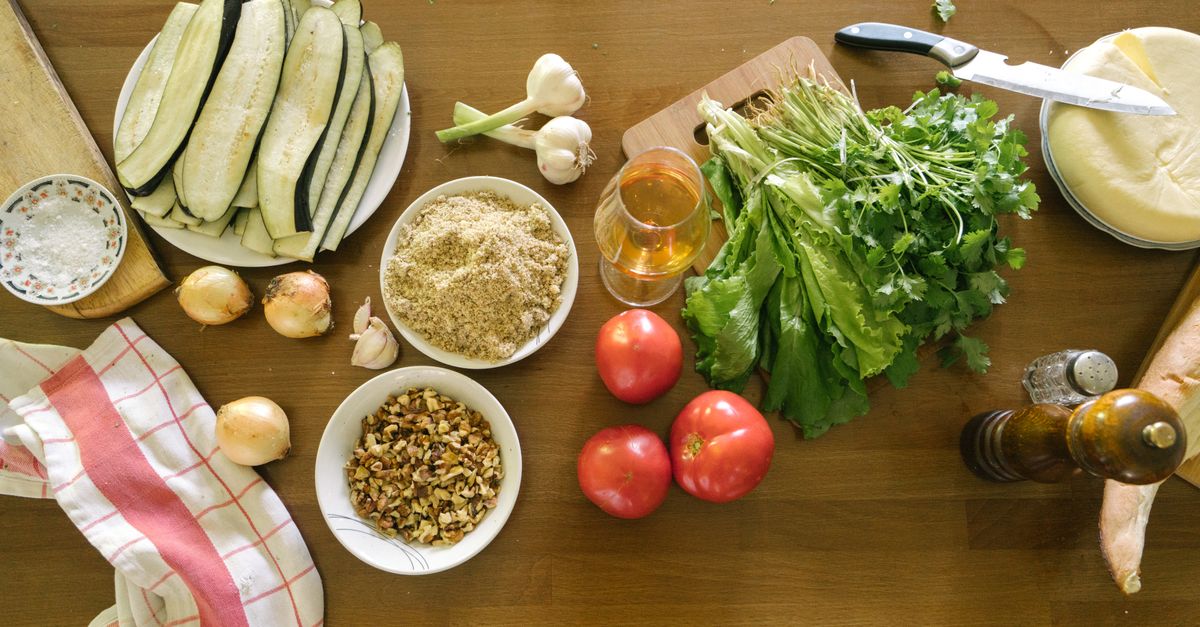
Usually yes, and modestly. Replacing butter, fatty meat and refined carbohydrate with olive oil, nuts, oily fish, beans and vegetables tends to nudge LDL cholesterol and triglycerides down. How much depends on what you were eating before. The pattern is also linked to fewer heart attacks and strokes, which matters more than the number itself.
🌿 What is cholesterol actually doing in your body?
Cholesterol has a public relations problem. It is not a contaminant that sneaks in with the crisps. Your liver makes most of it on purpose, because you need it for cell membranes, for hormones and for making vitamin D in your skin. The useful question is never whether you have cholesterol. It is how it is being carried around.
- LDL is the delivery van. Too many vans circling for too long and some of the cargo ends up in the artery wall.
- HDL is the collection service, taking excess cholesterol back to the liver. Genuinely useful, although drugs that raise HDL have repeatedly failed to prevent heart attacks, which suggests it works better as a signal than as a target.
- Triglycerides are fat circulating in the blood. They respond quickly to alcohol, to refined carbohydrate and to weight change, which is why they are usually the number that moves first.
The panel worth having is low LDL, low triglycerides and an HDL that is not on the floor. That is roughly what shows up in populations who have eaten this way for generations, which is what made researchers curious in the first place.
🧬 Which parts of the plate are doing the work?
This is an eating pattern, not an active ingredient, and nobody has separated the components in a way that would satisfy a pharmacologist. Some parts do have clearer mechanisms than others.
| What you change | What it plausibly shifts | How confident anyone can be |
|---|---|---|
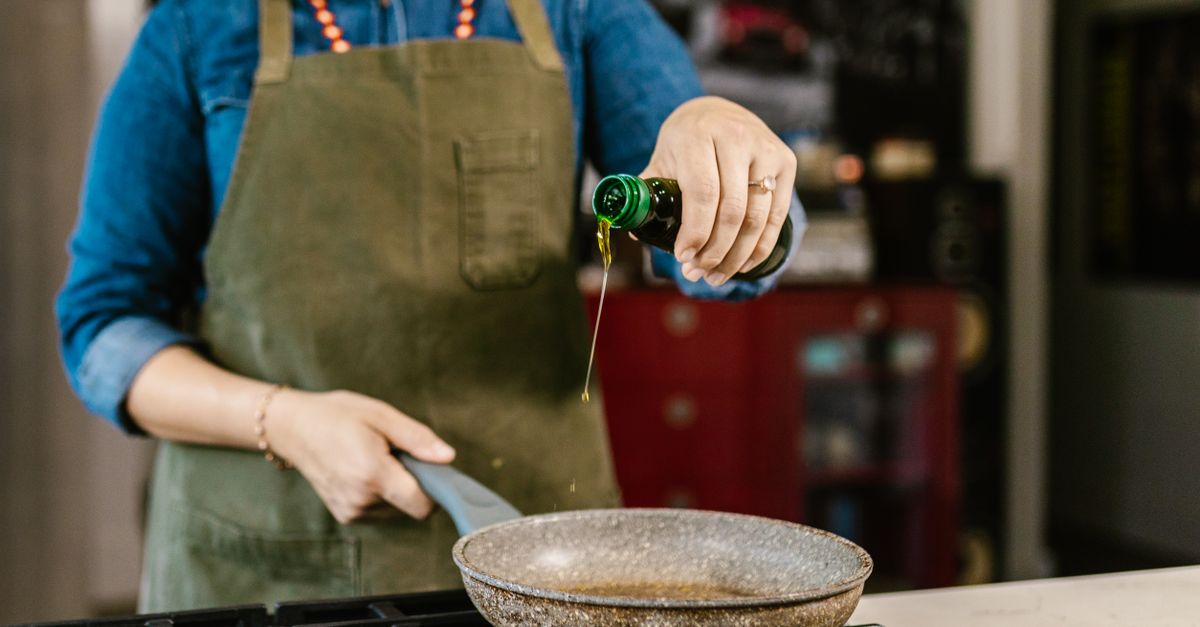
| Olive oil in place of butter, lard or ghee | LDL down, HDL roughly held | Strong. Swapping saturated fat for unsaturated fat is one of the better supported moves in nutrition |
| Oily fish two or three times a week | Triglycerides down | Moderate. The dramatic falls come from concentrated doses used in trials, not from a plate of sardines |
| Beans, lentils, oats, vegetables and fruit | LDL down a little, fullness up a lot | Good mechanism, modest effect |
| A handful of nuts instead of a packet of something | LDL down slightly | Reasonable, from controlled feeding trials |
| Less refined carbohydrate and less alcohol | Triglycerides down | Strong, and it shows up fast |
| Herbs, lemon and vinegar in place of salt | Blood pressure rather than cholesterol | Worth doing, wrong number |
The first row carries most of the weight. A Cochrane review pooling trials in more than 53,000 people found that cutting saturated fat reduced combined cardiovascular events by around 17 percent, and that the trials which achieved the largest drop in blood cholesterol saw the largest benefit. Olive oil is not performing a miracle on your arteries. It is mostly doing something useful by not being butter.
Soluble fibre works by another route. Oats, barley, beans and lentils hold on to bile acids in the gut so they leave the body instead of being recycled, and the liver pulls cholesterol out of the blood to build replacements. A real mechanism with a modest effect, which describes most of nutrition.
📊 What does the strongest evidence actually show?
The largest test of the pattern is PREDIMED. It put 7,447 people in Spain at high cardiovascular risk onto a Mediterranean diet topped up with either extra virgin olive oil or mixed nuts, or onto a control diet advised to be low in fat. Over roughly five years, each Mediterranean group had around 30 percent fewer major cardiovascular events, counted as heart attack, stroke or death from cardiovascular causes.
Two caveats belong beside that number. The paper was retracted and republished in 2018 after the authors found that participants at some sites had not been properly randomised, and the corrected analysis reached the same conclusion. Everyone enrolled was already at high risk, so the finding does not transfer neatly to a healthy thirty year old with an unremarkable blood test.
The wider picture is less tidy. A Cochrane review of 30 randomised trials concluded that the effects of a Mediterranean style diet on cardiovascular events and risk factors remain uncertain, largely because the trials define the diet differently and disagree with each other. That is not a verdict of “it does not work”. It is a reminder that one large trial plus a mountain of observational data is a weaker thing than the headlines imply.
What is not in dispute is the shopping list. The NHS advice for lowering cholesterol is this diet with the branding removed: more oily fish, wholegrains, nuts, fruit and vegetables, olive or rapeseed oil in place of butter, lard and ghee, and less fatty meat, cream, cheese, cakes and biscuits.
🍽️ How does it compare with the other things people try?
| Approach | What it tends to do to a lipid panel | The catch |
|---|---|---|
| Mediterranean pattern | LDL and triglycerides down modestly | Slow and undramatic, which is also why people stay on it |
| Classic low fat dieting | LDL down if saturated fat genuinely falls | The fat that leaves often returns as refined carbohydrate, which pushes triglycerides back up |
| Very low carbohydrate eating | Triglycerides down, LDL moves either way depending on the person | A case for a blood test rather than an assumption. The keto diet explained covers the pattern in more detail |
| Cutting dietary cholesterol on its own | Little change for most people | The saturated fat in a food influences blood cholesterol more than the cholesterol in it does |
| Prescribed lipid lowering medication | LDL down substantially | A medical decision for you and your doctor, never one to make because of a website |
| Detox teas and cholesterol flushing tonics | Nothing measurable | Your liver already runs a detox department, and it does not invoice you |
🥗 What does an ordinary week look like?
In photographs this diet involves a linen tablecloth, a sea view and somebody laughing at a tomato. In practice it involves buying tinned sardines. The ordinary version is the one that changes anything, because it is the one still happening in March.
- Cook with olive oil rather than butter, and use enough of it that the vegetables are worth eating.
- Get a bean, lentil or chickpea dish onto the table a few times a week. They are cheap, they keep, and they carry the soluble fibre.
- Eat oily fish twice a week. Tinned mackerel and sardines count, cost less than fresh and require no plan.
- Make the default snack fruit or a handful of nuts rather than something engineered to be finished in ninety seconds.
- Switch the starches you already eat to wholegrain versions, which is easier than learning to cook a grain you have never met.
- Treat red meat as something that happens occasionally rather than something that happens by default.

Nobody has randomised anyone to long lunches, so the sociability is hard to test. The plausible reading is that eating with company helps people keep the pattern up, and sticking with it is most of what separates a diet that worked from one that was tried.
The tradition also includes wine with meals, and that is the part which has aged worst. Alcohol raises triglycerides directly, and current guidance does not identify a level of drinking that carries no risk. There is no health reason to start, and the rest of the pattern works exactly the same without it.
❤️ What changes besides the lipid panel?
Quite a lot, with varying levels of proof behind each item.
- Blood sugar and insulin tend to behave better on a plate built from wholegrains, pulses and vegetables than on one built from white bread and sugar.
- Blood pressure usually improves, helped as much by the salt coming down as by anything being added.
- Weight sometimes drifts down because the food is filling for the calories it carries. This is not a weight loss diet, it sets no calorie limit, and it promises nothing about the scale.
- The links to better memory in later life and to living longer are consistent and interesting, and they come mostly from observational research, which cannot rule out that people who eat this way differ in other ways too.
🧡 When is food not the whole answer?
Diet is one lever among several and for some people it is not the main one. Familial hypercholesterolaemia is an inherited condition that produces very high LDL from birth, and it does not respond to an eating pattern the way ordinary raised cholesterol does. It is common enough to be worth ruling out, particularly where heart disease has appeared early in a family.
Speak to a doctor if your LDL is high, if you already have cardiovascular disease or diabetes, if close relatives had heart attacks or strokes young, or if you take lipid lowering medication and are considering any change. Do not stop a prescribed medicine because your diet has improved. Raised cholesterol produces no symptoms at all, so a blood test is the only way to know where you stand and whether anything you changed has helped.
How quickly does eating this way change cholesterol?
Blood lipids respond to a sustained change in diet over weeks to months rather than days, which is why a repeat blood test is usually left for a couple of months so the result means something. Your doctor decides when retesting makes sense for you.
Is extra virgin olive oil better than ordinary olive oil?
Extra virgin is less processed and keeps more of its polyphenols, and it is the grade the large trials supplied. Even so, most of the measurable benefit comes from what the oil replaces rather than which bottle you buy, and NHS advice lists rapeseed oil alongside it.
Do I have to give up cheese and eggs?
Not entirely. Eggs turned out to matter less than decades of advice implied, because saturated fat influences blood cholesterol more than the cholesterol in a food does. Cheese is a different case, since it is one of the larger sources of saturated fat in a typical week, so the question there is quantity.
Does the Mediterranean diet cause weight loss?
It is not designed as a weight loss diet and it sets no calorie limit. Some people end up eating less without trying because the food is filling, and some people do not. Anyone attaching a number of pounds or a number of weeks to it is guessing.
Is red wine really part of it?
It is part of the tradition and it is the part current evidence supports least. Alcohol raises triglycerides, and health guidance no longer identifies a level of drinking that is free of risk. There is no health reason to start drinking.
What if I do not eat fish?
The rest of the pattern still applies and it carries most of the effect. Walnuts, flaxseed and rapeseed oil supply a plant form of omega 3, which the body converts to the marine forms only inefficiently. If you are thinking about a supplement, that is a conversation for a doctor or a registered dietitian.
This article is general information, not medical advice, and is not a substitute for care from a qualified healthcare professional. Speak to your doctor about your own situation.
Leave a Reply