Keto is a very low carbohydrate way of eating, usually under 50 grams a day, that pushes your liver into making ketones from fat instead of running on glucose. It genuinely blunts appetite and moves the scale fast at first. Over a full year, trials find it beats other diets by well under a kilogram.
🔬 What is the keto diet, exactly?
The ketogenic diet is very high fat, moderate protein and very low carbohydrate. The review at Harvard’s Nutrition Source puts the usual split at roughly 70 to 80 percent of calories from fat, 10 to 20 percent from protein and 5 to 10 percent from carbohydrate, with carbohydrate under 50 grams a day and sometimes as low as 20. One bread roll can use most of that.
It was not dreamed up by somebody with a powder to sell. Doctors introduced it in the 1920s to treat epilepsy in children, and it is still used that way. Cochrane’s review of ketogenic diets for drug resistant epilepsy pooled 13 trials with 932 participants and found children on the diet may be up to three times more likely to become seizure free. The review rated that evidence low to very low certainty, and every included study reported side effects.
That history is why keto arrives feeling more scientific than the average diet. The catch: the seizure evidence and the weight loss evidence are two different piles of paper.
⚙️ How does ketosis actually work?
- 💧 Carbohydrate drops. Glycogen, the body’s stored carbohydrate, runs down over roughly three to four days, and insulin falls with it.
- 🧇 Fat gets mobilised. With less glucose arriving, the body pulls fatty acids out of storage and out of your dinner.
- 🔬 The liver makes ketones. It converts some of those fatty acids into ketone bodies, mainly beta hydroxybutyrate and acetoacetate.
- 🧠 The brain switches over in part. It cannot burn fatty acids directly, but it runs perfectly well on ketones.
Two things get lost in the excitement. Ketosis is a metabolic state, not an achievement: you can sit in it happily while eating more than you burn, because your body will simply burn the fat you just fed it. And the dramatic first week on the scale is mostly glycogen and its bound water leaving the building. A real number, just not fat.
🥗 What comes out of the shopping basket?
The keto list is short and rigid, which is either its great strength or the reason people quit in month four, depending on the person.
✅ On the list
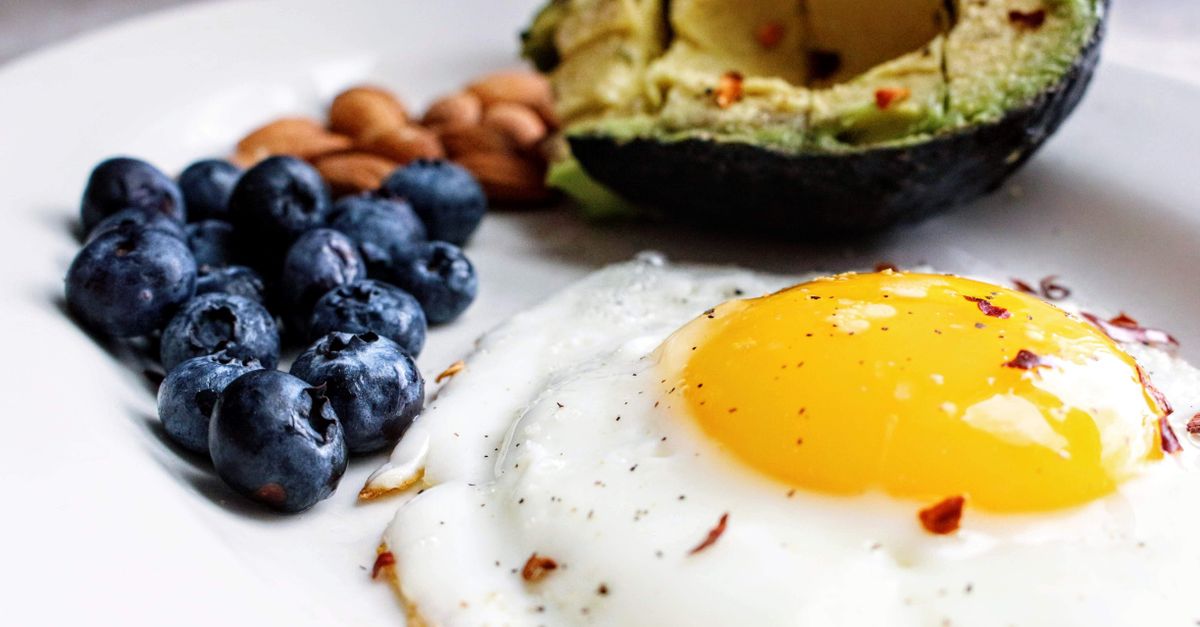
- 🥑 Fats: olive oil, avocado, nuts, seeds, butter, ghee, oily fish
- 🍳 Protein: eggs, fish, poultry, meat, paneer, tofu
- 🥦 Low carbohydrate vegetables: spinach, broccoli, cauliflower, courgette, cabbage
- 🧀 Dairy: cheese, cream, unsweetened yoghurt
- ☕ Drinks: water, black coffee, tea, herbal infusions
🚫 Off the list
- Sugar in every costume it wears, honey and jaggery included
- Bread, rice, pasta, wheat and oats
- Potatoes, corn and other starchy vegetables
- Most fruit, with mangoes, bananas and grapes first out of the door
- Packaged snacks and sweetened drinks
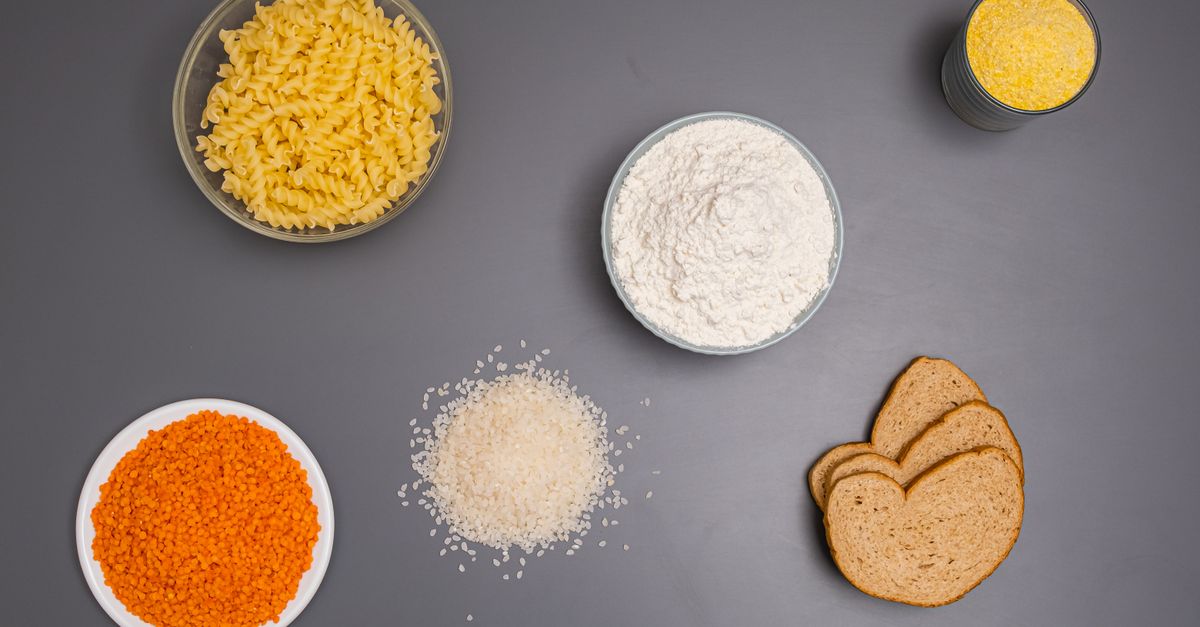
Look at what that second list has in common. It is most of the cheap, filling, culturally central food in a normal kitchen, and no quantity of cauliflower rice makes that cost vanish. Harvard’s review notes that compliance declines over time, which is the polite scientific phrasing for what happens at the third family wedding.
💪 Does keto actually beat other diets for weight loss?
A little, and by far less than the marketing implies.
A meta analysis in the British Journal of Nutrition pooled 13 randomised trials and 1,577 people followed for a year or more. The ketogenic groups ended up 0.91 kg lighter on average than the low fat groups, with a 95 percent confidence interval running from 0.17 to 1.65 kg. A real difference, and also under one kilogram after twelve months, in exchange for never eating a sandwich.
And it does not always turn up. In the DIETFITS trial, 609 adults were randomised to a healthy low fat or a healthy low carbohydrate diet for twelve months. The low fat group lost 5.3 kg, the low carbohydrate group lost 6.0 kg, and the 0.7 kg gap between them was not statistically significant. The same trial tested the marketable idea that your genes or your insulin response reveal which diet you were born for. Neither predicted anything.
| Feature | Ketogenic diet | Low fat diet | Mediterranean style |
|---|---|---|---|
| Daily carbohydrate | Under 50 g, sometimes 20 | No carb limit, fat kept low | No fixed limit |
| Aims for ketosis | The entire mechanism | No | No |
| Result at 12 months | 0.91 kg lighter in the pooled trials | The comparison group above | Not compared here |
| Blood lipids in those trials | Triglycerides down, HDL up, LDL up | The reference point | Not measured here |
| Familiar foods excluded | Many | Some | Few |
⚠️ What does keto do to your cholesterol?
The same meta analysis that found the small weight advantage also found LDL cholesterol rose in the ketogenic groups, by 0.12 mmol/l on average, with a confidence interval of 0.04 to 0.20. Triglycerides fell by 0.18 mmol/l, HDL cholesterol rose by 0.09 mmol/l, and diastolic blood pressure fell by 1.43 mmHg.
So the lipid picture is mixed rather than uniformly good, and LDL is moving in the direction cardiologists watch most closely. Anyone with a cardiovascular history or a statin prescription should read the British Heart Foundation’s assessment of keto for weight loss and raise it with their doctor before starting.
Harvard’s review also lists longer term concerns including an increased risk of kidney stones and osteoporosis and raised blood uric acid, plus the practical problem that removing whole food groups makes nutrient gaps easy to acquire without noticing.
Two medication points. Anyone taking insulin or an SGLT2 inhibitor should not cut carbohydrate this far without talking to the clinician who prescribed it, because both change how the body handles ketones and glucose. Anyone on blood pressure medication should seek advice first too, since fluid and sodium losses shift early.
😵 What is keto flu, and how long does it last?
The first week can feel grim. Harvard’s review lists hunger, fatigue, low mood, irritability, constipation, headaches and brain fog among the reported effects, which reads less like a diet and more like a thorough description of a bad Monday.
Most of it is put down to the fluid and electrolyte shift that follows the fall in insulin and glycogen. The body sheds water and sodium quickly in the first days, and drinking more and salting food is the standard response. Symptoms typically settle within a week or two.

What is not part of the normal picture: vomiting, confusion, breathlessness, fainting, or symptoms that worsen rather than ease after the first fortnight. Those need medical attention rather than waiting out.
🚫 Who should not try keto?
Some are firm, some depend on your own history, and none are a website’s call to make.
- Pregnancy and breastfeeding
- Existing liver or kidney disease
- Type 1 diabetes, and type 2 diabetes managed with insulin or SGLT2 inhibitors, without medical supervision
- A history of disordered eating, where any rigid set of food rules carries its own risk
- Inherited disorders of fat metabolism and carnitine deficiency, among the contraindications set out in the StatPearls clinical overview of the ketogenic diet
If you take regular medication, speak to your doctor or pharmacist before you start rather than after.
🧩 Which keto claims do not hold up?
| The claim | What the evidence supports |
|---|---|
| Keto is a high protein diet. | It is defined as moderate protein and high fat. Piling on protein is a different diet with a different name. |
| One extra chicken breast knocks you out of ketosis. | There is no fixed threshold. Ketone readings vary between people and day to day, and the light switch metaphor does not match the body. |
| Carb cycling every two weeks resets your metabolism. | The year long trials above did not test a scheduled refeed, so this is untested rather than proven. Metabolism has no reset button. |
| Ketone strips prove it is working. | They show ketones are present. That is not fat loss, and it is entirely possible to be in ketosis and gaining weight. |
| Ketosis and ketoacidosis are the same thing. | They are not. Diabetic ketoacidosis is a medical emergency involving far higher ketone concentrations. Nutritional ketosis in a healthy person sits well below that range. |
🔚 So is keto worth doing?
It depends, and what it depends on is not your genotype or your insulin response, both of which were tested directly and predicted nothing. What governs the outcome is whether you can eat this way long enough for it to count, whether the exclusions still leave you meals you want, and whether your cholesterol and your medication list suit a very high fat diet.
If those answers are yes, keto is one reasonable option among several, and the year long evidence suggests it edges past the alternatives rather than laps them. If they are no, a diet abandoned in March is not really a diet, however elegant its mechanism. The NHS guidance on managing your weight covers approaches that do not require deleting a food group.
This article is general information, not medical advice, and is not a substitute for care from a qualified healthcare professional. Speak to your doctor about your own situation.
How long does it take to get into ketosis?
Usually about three to four days of very low carbohydrate eating, once stored glycogen has been used up. The exact timing varies from person to person, and activity levels change it.
Is the weight lost in the first week actually fat?
Mostly not. The early drop is largely glycogen and the water bound to it. Fat loss follows a slower and far less dramatic curve, on keto exactly as on every other diet.
Does keto beat a low fat diet?
Slightly, on average. A meta analysis of 13 randomised trials followed for a year or more found ketogenic groups ended up 0.91 kg lighter than low fat groups. A separate 12 month trial in 609 adults found a 0.7 kg gap that was not statistically significant.
Does keto raise cholesterol?
LDL cholesterol rose by 0.12 mmol/l on average in those pooled year long trials, while triglycerides fell and HDL rose. Anyone with a cardiovascular history or a statin prescription should discuss it with their doctor before starting.
Can you train hard on keto?
Many people report that high intensity efforts, which lean on stored glycogen, feel harder in the first few weeks while the body adapts, and that steady paced work is affected less. Individual experience varies a lot here.
Is nutritional ketosis the same as ketoacidosis?
No. Ketoacidosis is a medical emergency involving far higher ketone concentrations, most often in type 1 diabetes. The distinction matters most for anyone taking insulin or an SGLT2 inhibitor, who should not start a ketogenic diet without medical supervision.
Leave a Reply