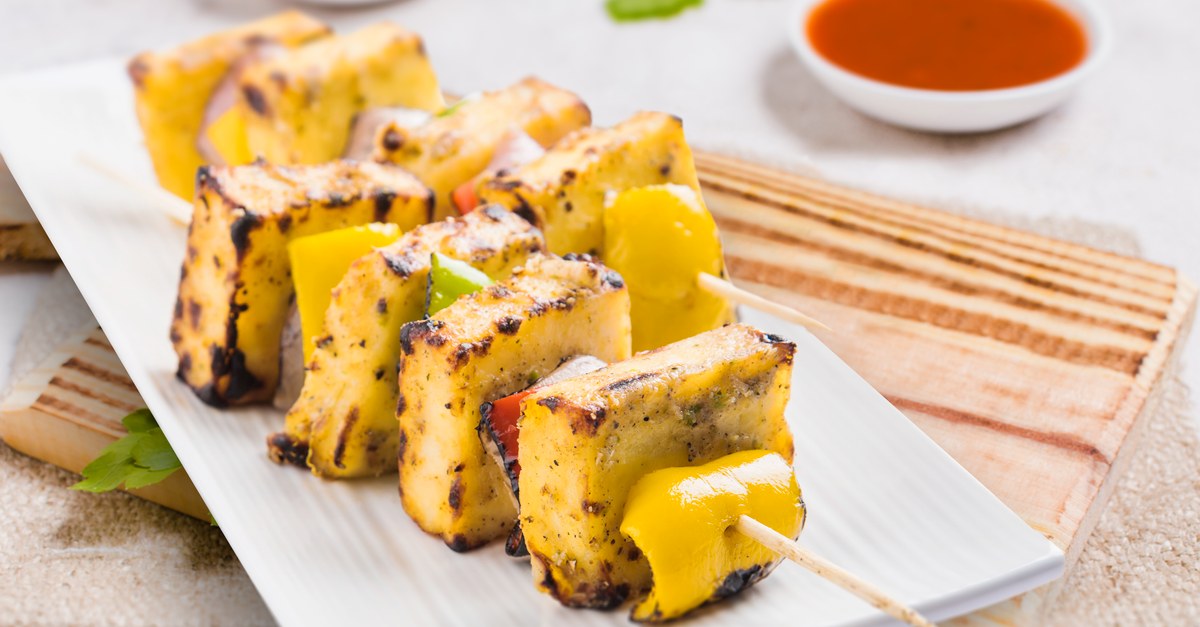
Paneer neither burns fat nor blocks it. It is a dense, protein rich fresh cheese, which means it fills you up well and adds calories quickly. Whether it helps depends on the portion, what it is cooked in and what it replaces on your plate, not on paneer itself.
Paneer has quietly been promoted to superfood, which would be news to the cow. It turns up on diet plans as a fat burner and on the same forums as the reason someone stopped losing weight, and both camps are arguing about the wrong thing. Pressed curd is not out hunting your fat cells. It has an unusual profile, and that profile is what makes it useful or awkward.
What is actually in paneer?
Paneer is milk curdled with an acid, usually lemon juice or vinegar, then strained and pressed. It is never aged, which is why it stays mild and squeaky rather than becoming cheddar. Most of the milk sugar drains away with the whey while the fat and protein stay behind, so what is left is close to pure protein and fat.
Typical values for 100 g, roughly the paneer in a generous restaurant portion:
| Per 100 g (typical) | Whole milk paneer | Lower fat paneer |
|---|---|---|
| Energy | 260 to 300 kcal | 180 to 210 kcal |
| Protein | 18 to 20 g | 18 to 20 g |
| Fat | 20 to 22 g | 10 to 12 g |
| Carbohydrate | 1 to 3 g | 2 to 4 g |
| Calcium | roughly a fifth of a day’s needs | similar |
These are typical figures, not fixed ones. Buffalo milk paneer is richer than cow milk paneer, homemade is firmer and less salty than packaged, and brands differ by more than you would expect. The panel on the pack you bought beats any table on the internet, this one included.
Why does paneer fill you up more than its size suggests?
Protein does the most per gram to end a meal, and paneer is unusual among vegetarian foods in delivering a lot of it without a pile of carbohydrate underneath. A modest block does the appetite work of a much larger plate of rice or roti, which helps when the problem is hunger two hours after eating.
The second argument for protein is holding on to muscle while you are eating less, and it is worth being precise about the evidence. A 2022 systematic review and meta analysis in the Journal of Cachexia, Sarcopenia and Muscle found that extra protein alongside resistance training produced only small additional gains in lean body mass, with clearer effects in younger adults at intakes of at least 1.6 g per kg of body weight a day. Around 80 percent of participants were already eating at least 1.2 g per kg before those trials began. The honest reading is that the first protein you add matters far more than the last, so paneer helps most for people who were short of it to begin with.
So why do people stall while eating paneer every day?
Because paneer is one of the very few foods called a diet cheese and a calorie bomb in the same conversation, and both are correct. Energy density is the whole story. A handful of cubes can carry as much energy as a meal’s worth of vegetables, and it does not look like it. Nobody overeats broccoli by accident. People overeat paneer by accident constantly, because the portion that looks reasonable and the portion that fits the day are different sizes.
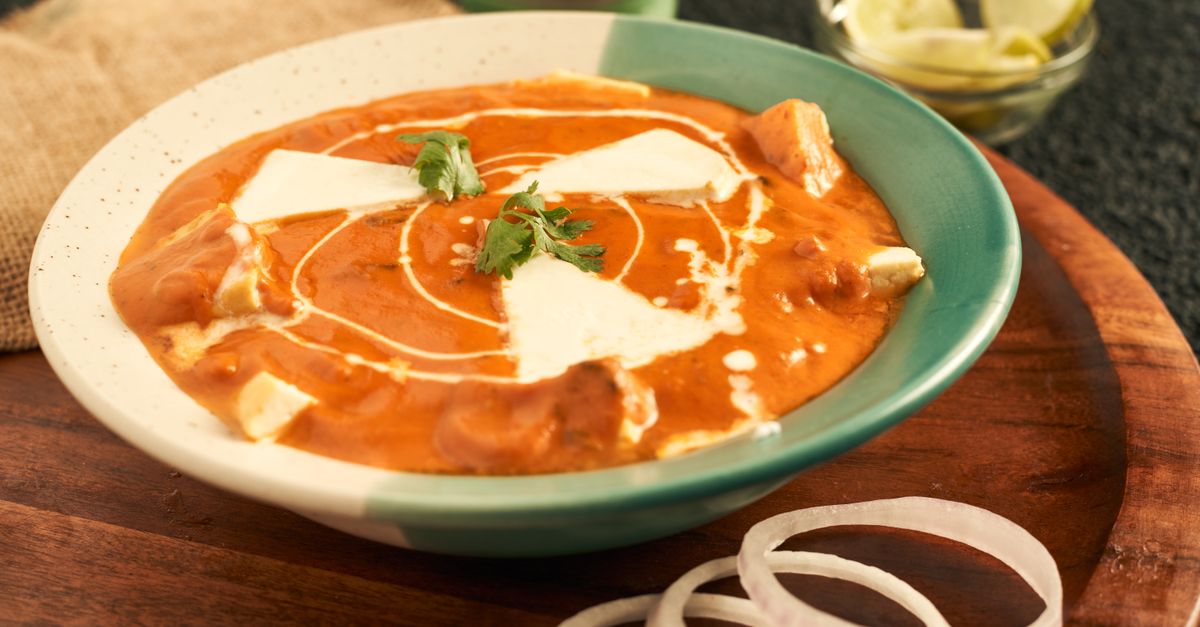
Then there is what happens in the pan. Butter paneer is a wonderful thing and it is not a protein strategy. Once cream, cashew paste and a spoon of ghee join in, the paneer is a passenger and the gravy is driving. The same goes for tikka that has been fried rather than grilled, and for anything a menu calls malai.
Fat is also where the health caveat sits, and this part is written straight. Most of the fat in paneer is saturated, because that is what milk fat is. The NHS advises that men have no more than 30 g of saturated fat a day and women no more than 20 g, and sets out why that limit exists. A full fat portion uses a meaningful share of that before anything else on the plate is counted. Anyone managing raised cholesterol or a family history of heart disease has good reason to work dairy fat out with a doctor or dietitian.
Does the cooking method really change that much?
More than the choice of paneer does. The block sets a floor. Everything after is addition.
| How it is cooked | What it adds | Effect on the meal |
|---|---|---|
| Grilled, baked or air fried | Almost nothing | Protein stays the point |
| Sauteed in a teaspoon of oil with vegetables | A little fat, plus volume and fibre | Usually the most filling per calorie |
| Simmered in a tomato or yoghurt gravy | Modest | Still a protein dish |
| Cream, cashew or makhani style gravy | A great deal of fat | The gravy outweighs the paneer |
| Deep fried | A great deal of fat | Closer to a fried snack |
One practical detail that improves everything: press the block and pat it dry before it goes near heat. Wet paneer steams, sticks and then demands oil to rescue it. Dry paneer browns in almost none.
Is paneer better than tofu, chicken or dal?
This is the comparison that decides things, because paneer is rarely competing with nothing. It competes with whatever else would have been on the plate.
| Per 100 g (typical) | Energy | Protein | Best at |
|---|---|---|---|
| Whole milk paneer | 260 to 300 kcal | 18 to 20 g | Satiety and taste |
| Lower fat paneer | 180 to 210 kcal | 18 to 20 g | Same protein, less energy |
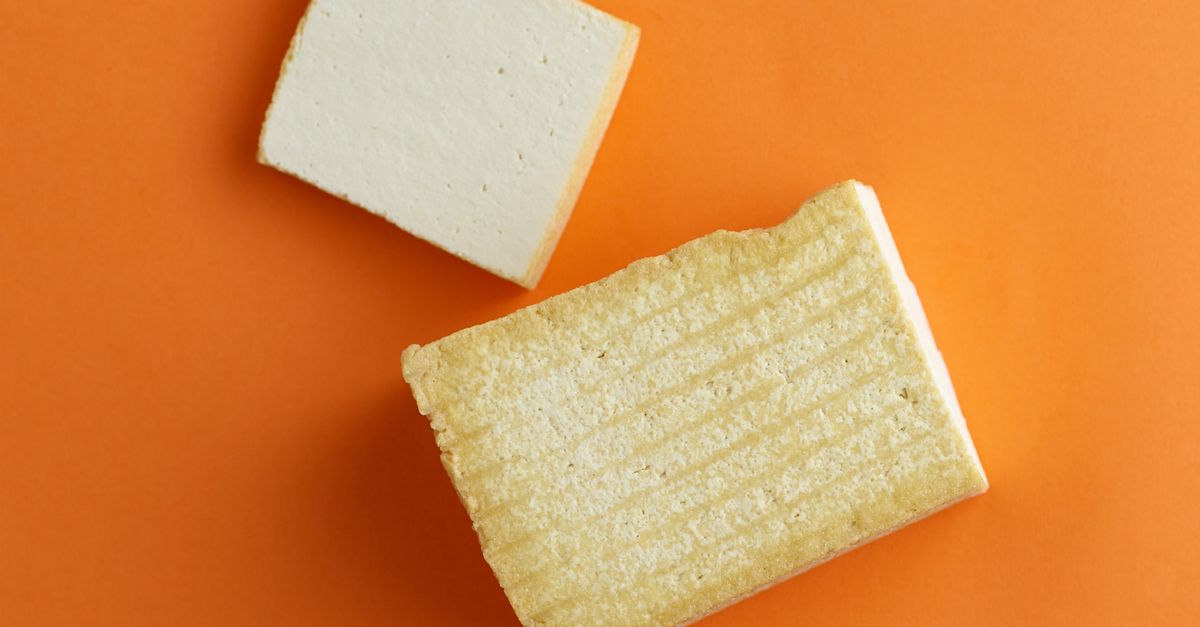
| Firm tofu | 120 to 145 kcal | 12 to 16 g | Volume for few calories |
| Chicken breast, cooked | 165 kcal | 31 g | Most protein per calorie |
| Cooked dal | 110 to 130 kcal | 7 to 9 g | Fibre as well as protein |
Read across rather than down. Chicken wins on protein per calorie and loses if you do not eat meat. Tofu wins on calories and is a weaker protein source than people assume. Dal brings fibre that none of the others do. Paneer wins on the thing hardest to measure and easiest to underrate, which is whether you will happily eat it again on Thursday. A joyless protein source gets abandoned, and an abandoned plan is worth nothing.
Which paneer is worth picking off the shelf?
- Cow milk versus buffalo milk. Buffalo milk paneer is richer and carries more fat and energy for the same weight.
- Full fat versus lower fat. Lower fat paneer keeps most of the protein and drops a good deal of the energy. It is also firmer and less forgiving in a pan, which is why some people quietly go back to the full fat block.
- Homemade versus packaged. Homemade is usually less salty and free of preservatives, and it takes a lemon and twenty minutes. Packaged is fine, and the salt figure is worth a glance.
- Analogue paneer. Some cheap blocks use vegetable fat rather than milk fat. Different product, different fat profile, and the ingredients list will say so.
Does paneer suit low carb eating, PCOS or a sensitive gut?
On a low carbohydrate or ketogenic plan paneer fits neatly, which is the least surprising sentence here. One claim that follows it around is worth correcting, though: that paneer is insulin neutral because it holds almost no carbohydrate. Dairy protein raises insulin more than its sugar content predicts. That is a normal response to a meal rather than a problem, and it does mean paneer is not the loophole some low carb writing treats it as.
For people managing PCOS or insulin resistance, a protein forward, lower carbohydrate pattern is a reasonable approach and paneer sits comfortably inside it. Saturated fat still counts, and the specifics belong with the clinician who knows your history and your bloods. The same applies with more force to kidney disease, where higher protein intakes need medical input rather than a food blog.
On lactose, paneer sits in a helpful middle. Most of the milk sugar leaves with the whey, so a portion carries less than a glass of milk, but paneer is unaged and retains more than a hard cheese. The NHS notes that many people with lactose intolerance tolerate small amounts of dairy without symptoms, and that tolerance varies between individuals. Tofu is the obvious swap for anyone who reacts.
What actually decides whether paneer helps you?
Four things, in roughly this order. Total energy across the day, because that drives fat loss whichever foods deliver it. Whether you get enough protein overall, since paneer is a good contributor and a poor sole strategy. What it displaces, because replacing fried snacks and replacing dal are different decisions. And how it is cooked, which can double the energy of a dish without changing a gram of paneer.
None of that is as satisfying as a yes or a no, and it is why paneer works well for some people and quietly stalls others following the same advice. The same logic runs through Indian winter snacking, and the question of whether meal timing changes the outcome covers the other half of it.
Paneer is a good food. It is not a lever, and the day you stop asking it to be one is the day it starts being useful.
Frequently asked questions
Can I eat paneer every day?
Nothing about daily paneer is inherently a problem, and the two things worth watching are total energy and saturated fat, since dairy fat is mostly saturated. People who eat it daily often use smaller portions or a lower fat block, and rotate in dal, eggs or tofu so the rest of the nutrition is not coming from one food.
Is paneer or tofu better for weight loss?
Tofu carries roughly half the energy of whole milk paneer for a given weight, which makes it easier to fit into a tight calorie budget. Paneer carries more protein per gram and, for most people used to it, more satisfaction. Neither is better in the abstract, and the one you will actually keep eating usually wins.
Does low fat paneer taste and cook the same?
Not quite. It is firmer, drier and less forgiving, so it can turn rubbery if it is overcooked or left in a hot pan too long. It works best in gravies, scrambles and anything where it is not carrying the dish on texture alone.
Is homemade paneer better than shop bought?
It is usually lower in salt and free of preservatives, and you control the milk it comes from. Packaged paneer is not a problem in itself, and the ingredients list is worth a glance, since some cheaper blocks use vegetable fat rather than milk fat and are a different product entirely.
Can I eat paneer at night?
Yes. There is no hour at which protein starts behaving differently, and eating late does not by itself add fat. What can matter is that a rich, fatty meal close to bedtime disturbs sleep for some people, and poor sleep makes appetite harder to manage the following day.
Is paneer safe if I am lactose intolerant?
Often, in small amounts, because most of the lactose leaves with the whey. Paneer is unaged and so retains more than a hard cheese, and tolerance differs a lot between individuals. Anyone with a diagnosed intolerance or persistent gut symptoms should work this out with their doctor or a dietitian rather than by trial and error.
This article is general information, not medical advice, and is not a substitute for care from a qualified healthcare professional. Speak to your doctor about your own situation.
Leave a Reply