
Not in the way that phrase is usually meant. Mitochondria and cell metabolism are genuinely central to how tumours behave, but the change that defines cancer is damage to genes controlling cell growth. The metabolic shift is largely downstream of that. Which comes first is still argued, and argued honestly.
The idea travels a long way from the laboratories where it is actually debated, shedding every qualification that made it respectable on the way. This is the version with them left in.
What do mitochondria actually do?
Mitochondria are the compartments where oxygen is used to turn food into ATP, the molecule cells actually spend. That is the description everyone has heard, and the least interesting thing about them here.
They also help decide when a damaged cell destroys itself, handle much of the cell’s reactive oxygen species, and produce the intermediates feeding the machinery that switches genes on and off. Metabolism and gene regulation are not separate systems. Molecules made by mitochondrial metabolism are the raw material for the marks placed on DNA.
So the claim that mitochondria are involved in cancer is not fringe. It is uncontroversial. The disagreement is about sequence, and that distinction is the entire argument. The hidden engines of your energy covers what these structures do day to day, without the cancer framing.
What is the Warburg effect, and what does it show?
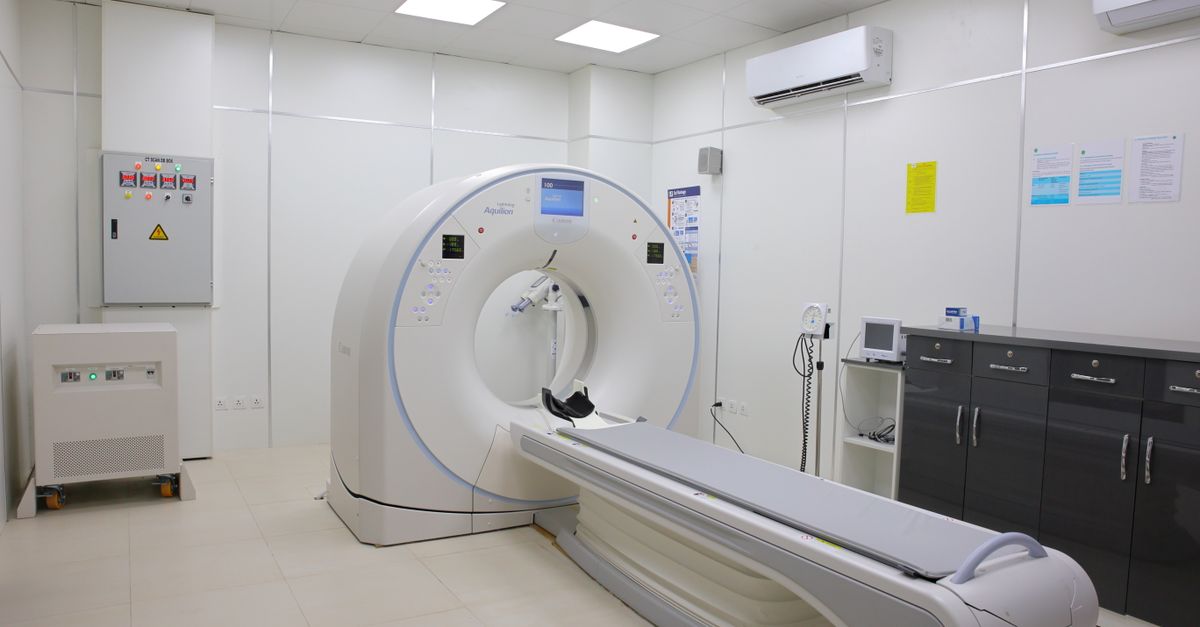
In the 1920s Otto Warburg noticed that tumour cells consume large amounts of glucose and pour out lactate even when oxygen is freely available. Normal cells usually do that only when oxygen runs short. The observation is solid, has been reproduced for a century, and has a routine clinical use: a PET scan finds tumours by looking for tissue taking up unusual amounts of a labelled sugar.
What Warburg concluded from it is the contested half. He proposed that respiration inside the mitochondria was damaged and that fermentation compensated for it. That step is where later work diverged from him. In most tumours examined since, the mitochondria are not broken. They are functional and the cancer cells use them actively, which is hard to square with the original claim. A reassessment of the Warburg effect published on PubMed Central describes mitochondrial metabolism as a collaborator in tumour growth rather than a casualty of it.
There are better explanations for the sugar appetite than broken machinery. Fermentation is wasteful per unit of energy and it is fast, and it supplies carbon for building membranes, nucleotides and proteins. A dividing cell needs material as badly as energy.
Does cancer begin with the genes or with the metabolism?
The mainstream position is stated plainly by the US National Cancer Institute, which describes cancer as a genetic disease, caused by changes to the genes controlling how cells grow and divide. Those changes come from copying errors during cell division, from environmental damage such as tobacco smoke and ultraviolet light, or from inheritance. The same page notes that some cancer cells make energy differently, and treats that as a property of the disease rather than its cause.
The metabolic theory argues the reverse order, pointing to laboratory work in which the nucleus and surrounding cytoplasm of tumour and normal cells are exchanged, with the cancerous behaviour appearing to follow the cytoplasm. Those experiments are real. They have also been done in a limited set of cell lines, and treating them as a general account of how human cancers begin asks more of them than they can carry.
Work published in 2025 tends to describe a loop rather than a line. Gene changes drive the metabolic shift, the shift alters signals travelling back to the nucleus and changes which genes are read, and that reinforces the original change. Where a loop starts is hard to ask by construction, and the answer may differ by tumour type. Mitochondria first is a minority hypothesis held by serious researchers. It is not established and it is not a fantasy.
| The claim as you usually meet it | What is actually established | Where it overreaches |
|---|---|---|
| Cancer cells have broken mitochondria | Tumour metabolism is genuinely altered | In most tumours studied the mitochondria still work and the cancer uses them |
| Metabolic failure comes before gene damage | Metabolism and gene regulation influence each other constantly | The order is unsettled, and the weight of evidence puts gene changes first |
| Sugar feeds cancer | Tumours take up glucose heavily, which is what a PET scan detects | Every cell needs glucose, and diet cannot route it away from a tumour |
| Ketogenic diets starve tumours | They do lower blood glucose in people with cancer | Trials have not shown a treatment effect and the evidence quality is low |
| Supplements repair mitochondria | Diagnosed deficiencies are worth correcting medically | No supplement has been shown to prevent or treat cancer by this route |
Does eating sugar feed cancer?
This is the part that reaches most people, and the part where the answer is least ambiguous. Cancer Research UK states there is no evidence a sugar free diet lowers the risk of getting cancer, or improves the chances of surviving one. The reasoning is mechanical rather than reassuring: healthy cells need glucose too, and there is no way to supply them while withholding it from a tumour.

The British Dietetic Association’s oncology specialists make the same point in their guide to cancer diet myths. Cutting sugar from the diet does not restrict the glucose reaching cancer cells. They are equally blunt about the alkaline diet claim that travels alongside it, since blood pH is held in a narrow range by the kidneys and lungs whatever is eaten.
The real connection between this subject and body weight is stronger than the version being sold. Carrying excess body fat is an established risk factor for a number of cancers, through hormonal and inflammatory routes studied in their own right. That is better evidenced than the metabolic origin argument, and a reason to take metabolic health seriously rather than to fear a biscuit. If sugar is what you keep losing to, why cravings peak at night deals with the mechanism.
Do ketogenic diets treat cancer?
Systematic reviews of the randomised trials keep arriving at the same place: the evidence is insufficient. Ketogenic diets reliably lower blood glucose in people with cancer and have not been shown to improve the outcomes that matter. The trials are small, short, variable in design and prone to dropout, most running under six months.
Dietetic guidance adds what enthusiastic summaries leave out. Most supporting research is in animals and in brain tumours, the human evidence is largely single cases, and the weight loss these diets produce is a complication for someone in treatment.
The question is not closed. Ketogenic protocols are still being tested alongside standard care in registered trials. It means that today a ketogenic diet is not a cancer treatment, and that starting one during treatment is a conversation for an oncology team and a registered dietitian, not a decision to take from a web page.
What actually damages mitochondria, and does that cause cancer?
Lists of mitochondrial damage mix three kinds of item. Some are established causes of cancer for reasons unrelated to mitochondria: tobacco smoke, ultraviolet light and ionising radiation all damage DNA directly, and earn their place without the mitochondrial story. Others are real influences on metabolic health with no demonstrated cancer pathway of this kind. Poor sleep, chronic stress and a diet built on ultra processed food affect insulin sensitivity measurably, and exercise does increase mitochondrial content in muscle. Those are worth doing without a cancer claim bolted on.
The third group is the supplement list. Correcting a diagnosed deficiency is medicine and belongs with a doctor. Taking magnesium, coenzyme Q10 or carnitine on the theory that it repairs mitochondria and therefore lowers cancer risk is a chain of inference with nothing clinical attached to the last link.
There is a quieter problem with the framing. Presenting cancer as the consequence of neglected mitochondria implies that anyone who developed cancer failed to look after theirs. Nothing above supports that. Much cancer risk is outside individual control, and a great deal of it is chance.
What does this mean if you are working on your own metabolic health?
Very little changes, which is the useful conclusion rather than a disappointing one. Adequate protein, enough sleep, daily movement, resistance training twice a week, not smoking and modest alcohol were supported before this idea reached you. What changes is the reasoning attached. Doing them for energy, insulin sensitivity and long term risk is accurate. Doing them as a cancer prevention protocol built on cell fuel theory sets up a belief that will not survive contact with reality.
Screening and symptoms sit outside all of it. Attending screening you are invited to, and taking anything persistent or unexplained to a doctor rather than to another article, matters more than every metabolic intervention on this page combined.
How can you tell a good version of this claim from a bad one?
- It separates observation from explanation. The Warburg effect is a measurement. What causes it is a hypothesis.
- It names the level of evidence. Cell lines, animal models and randomised human trials are not interchangeable.
- It says what would count against it. Functional mitochondria in most tumours is a real problem for the strong version.
- It sells nothing. An explanation ending at a supplement checkout has told you what it is for.
- It does not ask you to change treatment. A diet proposed in tension with oncology care has crossed from information into harm.
Frequently asked questions
Is cancer a metabolic disease?
Cancer has a distinctive metabolism and that is not in dispute. Whether the metabolic change causes the disease or results from it is the open question. The mainstream position, including the National Cancer Institute’s, is that cancer is defined by changes to genes controlling cell growth, with altered metabolism as a hallmark rather than the origin.
Do cancer cells really live on sugar?
They take up glucose heavily, which is exactly what a PET scan detects. So do healthy cells, including brain and muscle. Heavy uptake by a tumour is a genuine observation that says nothing useful about what a person eats, because the body has no way of directing glucose to one and not the other.
Will cutting sugar out of my diet lower my cancer risk?
Cancer Research UK reports no evidence that a sugar free diet lowers cancer risk or improves survival. Reducing free sugars is still reasonable, for the ordinary reason that they contribute to weight gain, and excess body fat is an established risk factor for several cancers.
Is a ketogenic diet a cancer treatment?
No. Systematic reviews of the randomised trials find the evidence insufficient, with small, short and highly variable studies. Ketogenic protocols are still being tested alongside standard care, so the research question is live. Starting one during treatment is a decision for an oncology team and a dietitian.
Can supplements repair mitochondria and prevent cancer?
There is no clinical evidence for that chain. Correcting a diagnosed deficiency is worth doing and belongs with a doctor. Taking magnesium, coenzyme Q10 or carnitine on the theory that it lowers cancer risk through mitochondrial repair goes well beyond what has been shown.
Does being overweight raise cancer risk?
Excess body fat is an established risk factor for a number of cancers, working through hormonal and inflammatory routes. That link is far better evidenced than the metabolic origin argument, and it is the honest reason metabolic health belongs in a conversation about cancer risk at all.
This article is general information, not medical advice, and is not a substitute for care from a qualified healthcare professional. Speak to your doctor about your own situation, and never change or delay cancer treatment on the basis of something you have read online.
Leave a Reply