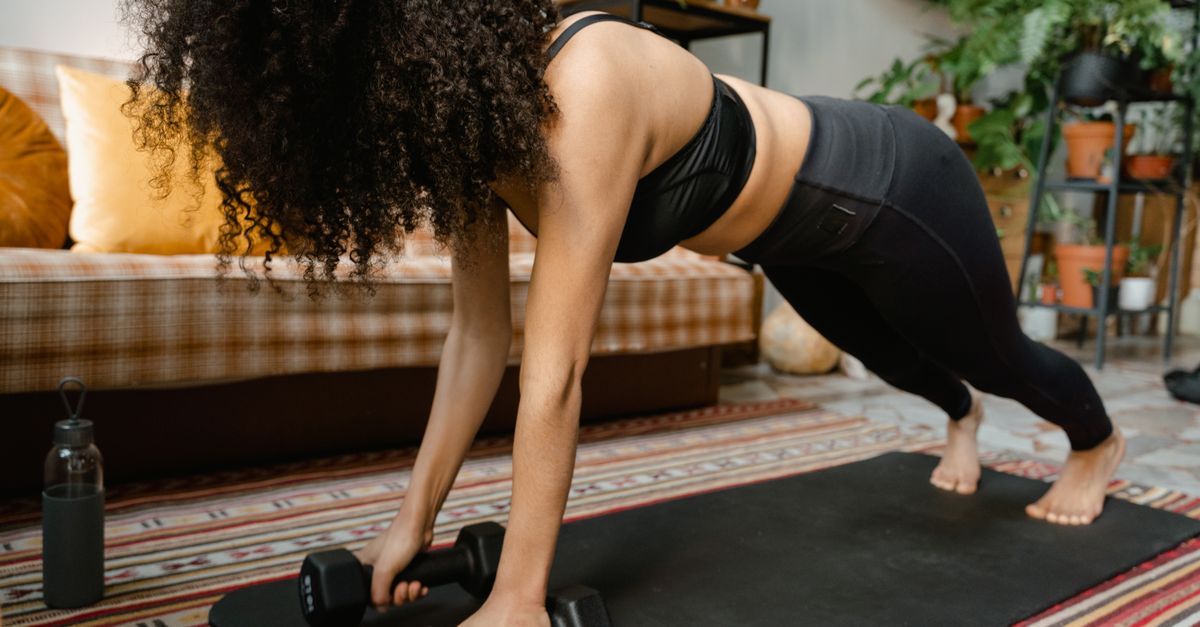
Let me be straight about this before anything else. There is no exercise that burns belly fat. Not crunches, not planks, not the thing on the internet promising a flat stomach in two weeks.
Exercise contributes to fat loss, which eventually includes abdominal fat, and where fat comes off is not something you can direct. That is not a reason to skip exercise. It is a reason to do the exercise that actually helps rather than the exercise that looks like it should.
What ab exercises actually do
They strengthen the abdominal muscles. That is worth doing for posture, for back health and for how the area looks once fat has come off. What they do not do is affect the fat sitting on top of those muscles. The same trials answer the question for every other region too, and we have set out what the spot reduction research found region by region, including the two studies that measured fat on the back. After a birth there is a prior question, because the midline itself may still be separated, and telling separation from stored fat after pregnancy decides which work is safe to start with.
The confusion is understandable, because working a muscle produces a burning sensation in that area and it feels like something local is happening. It is, and what is happening is muscular fatigue rather than fat being used. whether the plank is really the best ab exercise goes into one specific example.
What exercise contributes
| Type | What it contributes | Priority |
|---|---|---|
| Daily walking | Meaningful energy use, easy to sustain | High, and underrated |
| Resistance training | Preserves muscle during loss | High |
| Moderate cardio | Energy use, cardiovascular health | Useful |
| Interval training | Efficient use of time | Useful, if you recover well |
| Ab specific work | Stronger abdominal muscles | Low for fat, fine for strength |
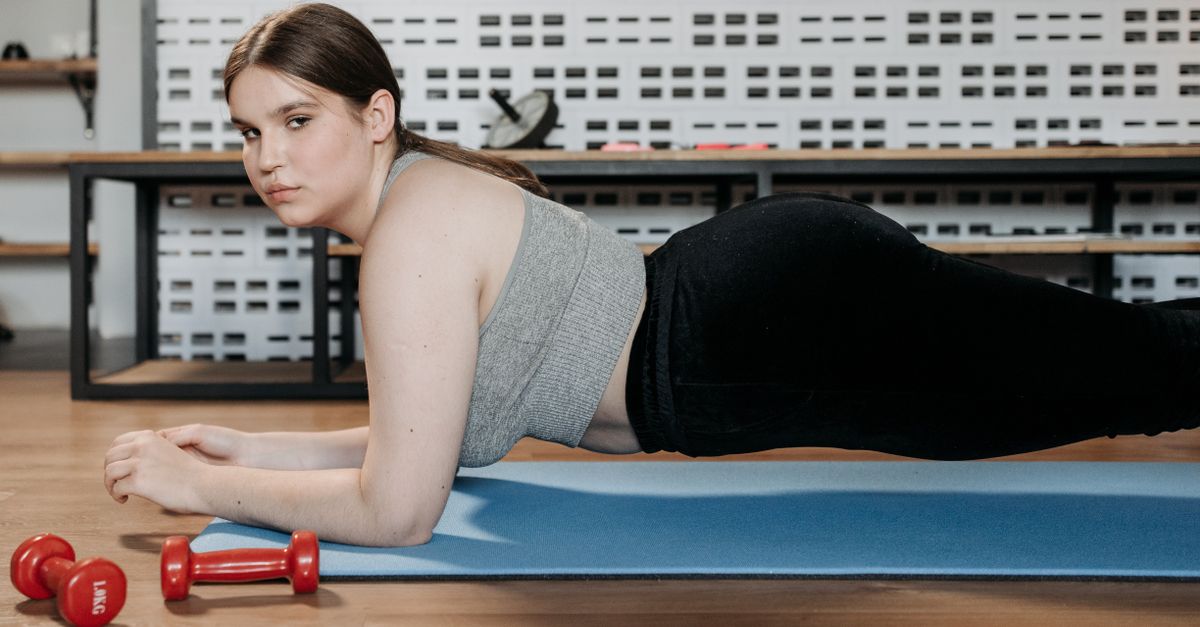
Notice the top row. Walking is the least impressive thing on that list and it is the one most likely to survive contact with a busy life, which is what makes it effective.
a simple walking routine covers a straightforward version. The reason it works is not that walking is magic, it is that it adds energy use without the fatigue that leads to eating more and moving less for the rest of the day.
Why resistance training matters more than it appears to
This is the part people skip and later regret.
When you lose weight, some of what you lose is muscle unless you give your body a reason to keep it. Resistance training is that reason. A 2025 systematic review in BMJ Open Sport and Exercise Medicine found that adding resistance exercise to a weight loss diet reduced the loss of fat free mass and increased how much of the loss was fat. Two people losing the same amount can end up looking quite different depending on whether they trained.
Muscle also affects how you look at the same weight, which matters when the goal is a flatter stomach rather than a smaller number. weight loss versus fat loss covers that distinction, and loose skin after weight loss covers the related question of skin after significant loss.
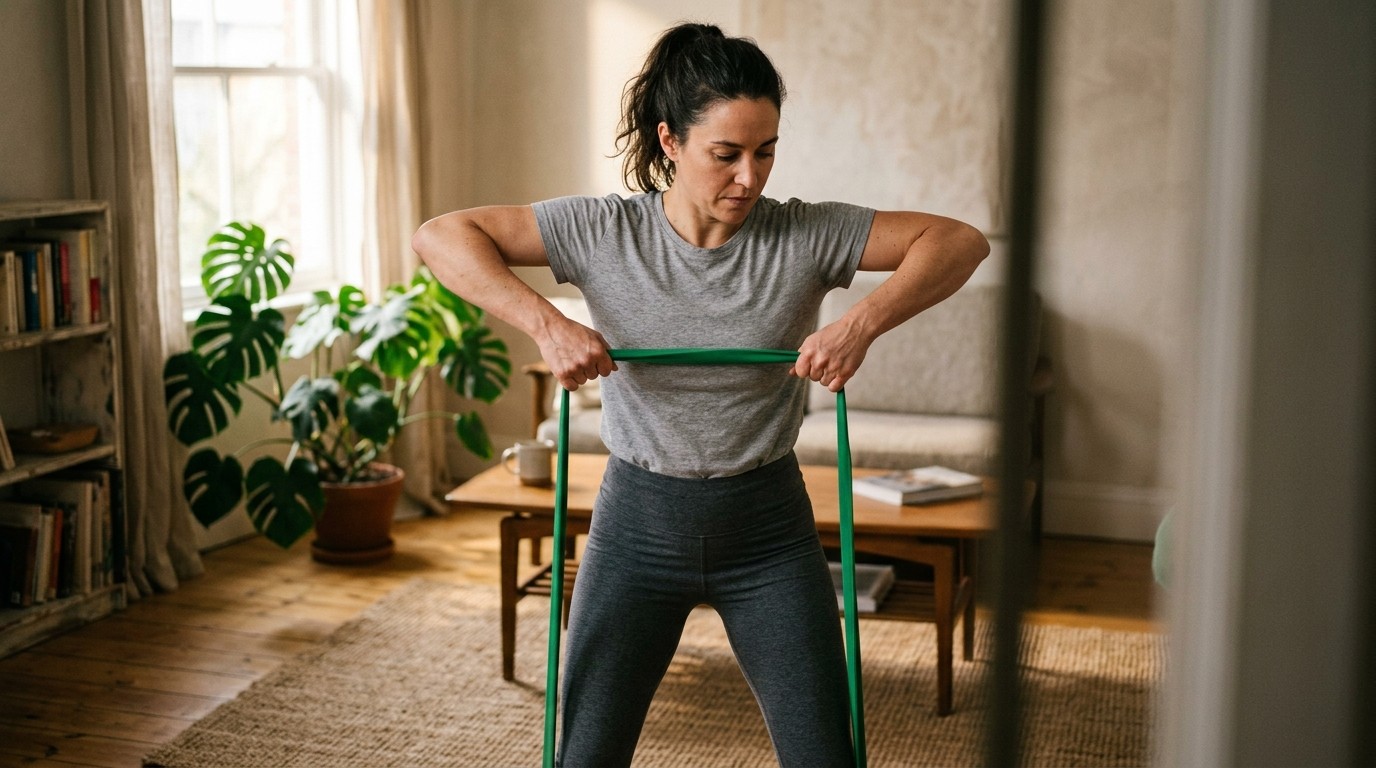
If you have limited time, the highest return combination is walking most days plus two resistance sessions a week. That is more effective for body composition than five cardio sessions, and it is easier to keep doing.
A reasonable week
- Walk most days, aiming to increase daily movement generally rather than hitting one number.
- Two or three resistance sessions covering the whole body, not just the abdomen. The NHS asks for strengthening work on at least two days a week, across all the major muscle groups.
- Some cardio if you enjoy it, for heart health rather than as the fat loss mechanism.
- Ab work if you want stronger abdominal muscles, understanding what it is and is not doing.
- Enough recovery that you actually turn up next week, which matters more than any single session.
cardio before or after weights covers ordering within a session if you do both on the same day.
If you are starting from nothing
The advice above assumes some baseline, and plenty of people reading this have none. Starting from genuinely sedentary is different and worth addressing directly rather than scaling down a plan built for someone else.
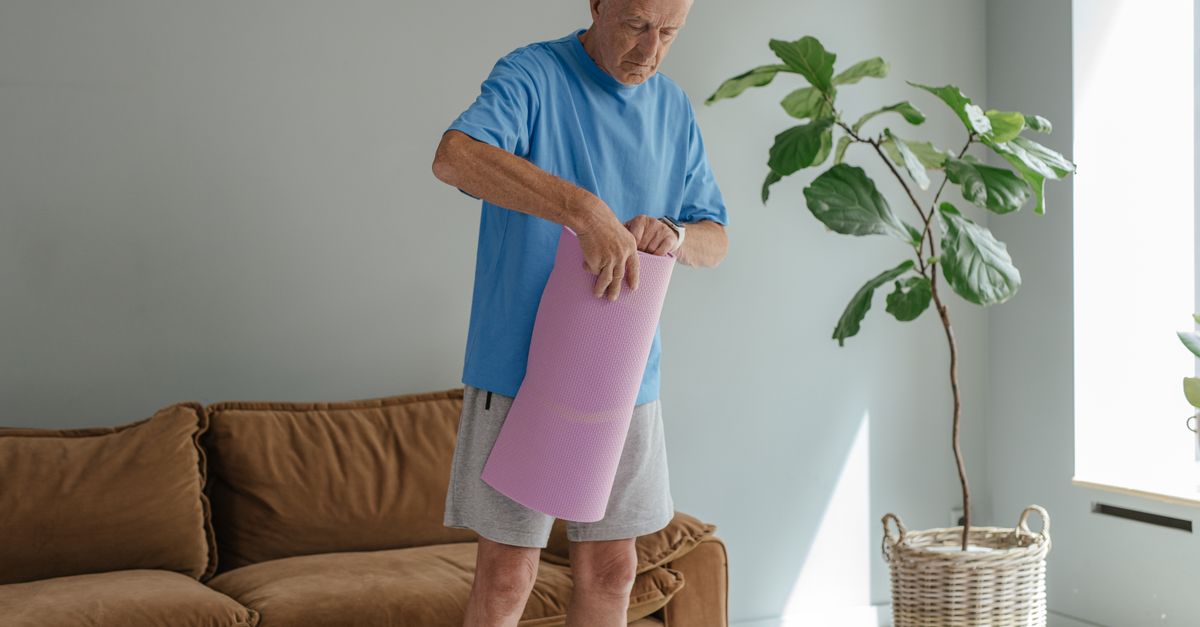
- Start with walking and only walking, for two or three weeks. Not as a warm up to a real plan, as the plan.
- Add duration before intensity. Longer easy walks beat shorter hard ones at this stage, for adherence more than physiology.
- Introduce resistance training after those weeks, starting with bodyweight movements and very modest volume.
- Expect to feel that this is too easy to be doing anything. That feeling is why most people skip this stage and then stop entirely in week three.
- Build the habit first and the intensity second. The order matters more than anything in the sessions.
The commonest way an exercise plan fails is being too demanding in week one. Soreness that stops you moving for three days costs more than the session gained, and the plan you abandon has a value of zero regardless of how good it was.
Consistency versus intensity
If you had to choose one, choose consistency, and the gap is not close.
Three moderate sessions a week for a year outperforms six hard sessions a week for six weeks followed by nothing, by a considerable margin. This is unglamorous, everyone knows it, and almost nobody plans around it, because intense plans feel like they are working and sustainable ones feel like they are not doing enough.
A useful test when choosing a routine: could you do this in a busy week, a stressful week, and a week when you feel unmotivated? If not, it is not a plan, it is an intention.
What exercise cannot fix
Intake. This is the uncomfortable arithmetic: it is considerably easier to eat energy than to work it off, and the imbalance is larger than most people expect.
Which is why exercise alone is a slow route to fat loss and a good route to health and body composition. what a calorie deficit actually is covers the eating side, and how belly fat actually comes off covers how they fit together.
The exercises to be sceptical about
- Anything marketed as targeting one body area for fat loss
- Vibration plates and passive devices
- Waist trainers worn during exercise, which restrict breathing and do nothing for fat
- Programmes promising a specific visible result by a specific date
- Extreme routines you could not sustain for three months, since three months is the minimum useful timescale
If food or your body has become something you think about constantly, or if eating feels out of control, that is worth talking to a doctor about rather than reading another article. That is not a judgement, it is just a different problem from the one this page can help with.
Frequently asked questions
Which exercise burns the most belly fat?
None of them burn belly fat specifically. Exercise contributes to overall fat loss, and where the fat comes from is not something you can direct. The most useful exercise is the one you will do consistently.
Are crunches and sit ups useless then?
Not useless, just misunderstood. They strengthen abdominal muscles, which is worth doing for posture, back health and how you look once fat is lost. They simply do not remove the fat sitting above the muscle.
Is cardio or weights better for fat loss?
Both contribute and they do different jobs. Cardio uses energy during the session. Resistance training preserves muscle while you lose, which changes the shape of the result considerably. Most people benefit from doing both.
How much exercise do I need?
Less than people assume for fat loss, and more than people assume for health. The bigger lever for fat loss is what you eat. Exercise is what determines how much of the loss is fat rather than muscle.
Does walking really help?
More than most people expect. Daily walking accumulates a meaningful amount of energy use without the fatigue that makes people eat more afterwards, and it is far easier to sustain than intense training.
How long before I see a change?
Longer than any honest article will specify, because it depends on where you start and how consistent you are. Measuring your waist monthly gives a better signal than looking in a mirror daily.
This article is general information, not medical advice, and is not a substitute for care from a qualified healthcare professional. Speak to your doctor about your own situation.
Leave a Reply