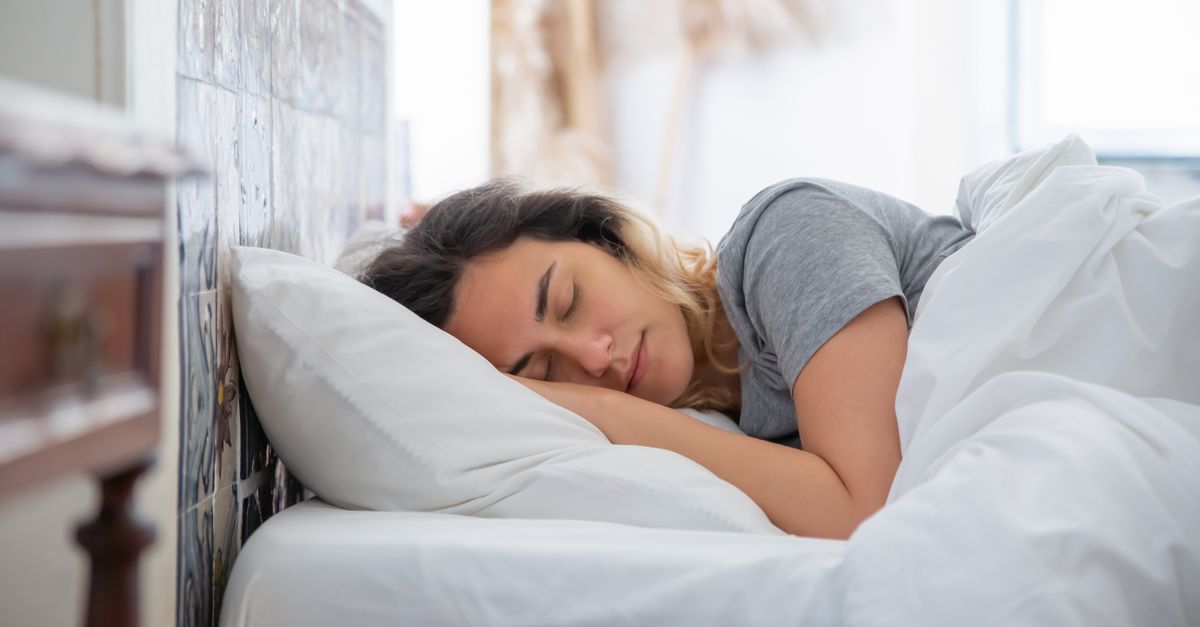
There is no single way to balance hormones, because there is no single hormone. Dozens of them run on separate systems, and everyday habits reach only some of them. Sleep, energy intake, muscle mass and stress genuinely shift insulin sensitivity, cortisol rhythm and appetite signalling. A thyroid problem or PCOS needs a doctor, not a routine.
That distinction is the whole of it. Almost everything sold under this heading works by blurring the line between the part of the system your habits reach and the part they do not. Treating the second as though it were the first is how someone spends a year on seed cycling while an underactive thyroid goes unchecked.
What does balancing your hormones actually mean?
The phrase is used as though hormones were one dial with a right setting. Insulin, cortisol, thyroid hormones, estrogen, progesterone, testosterone, growth hormone, leptin and ghrelin come from different glands, on different rhythms, answering different signals. A habit that moves one can do nothing measurable to the next. How eight types of hormones affect your health goes through them one at a time, and the variety is the point.
Narrow it to what daily habits demonstrably touch and the list gets short and useful: how sensitive your tissues are to insulin, the shape of your cortisol curve, how reliably appetite signalling reports back, and the energy conditions under which reproductive hormones cycle. That is worth taking seriously, and it is still not the same thing as correcting a diagnosed disorder.
Does sleep really change your hormones?
Yes, and this is the strongest part of the case. Growth hormone, cortisol, insulin sensitivity and the appetite signals all move with sleep, which a review in the International Journal of Endocrinology walks through in detail.
The most practical evidence comes from feeding people less and varying only their sleep. In a randomised crossover trial published in the Annals of Internal Medicine, adults eating a reduced calorie diet on short sleep lost a smaller proportion of that weight as fat and more as lean tissue than the same people on adequate sleep, and reported being hungrier throughout. Same food, different result, and the only variable was hours in bed.
One popular part of the story is weaker than it sounds. The claim that short sleep reliably drops leptin and raises ghrelin rests on a handful of small studies, and when randomised trials were pooled in a systematic review in Obesity Reviews, those hormone changes did not hold up consistently, even where people clearly ate more. Short sleep makes eating harder to manage. The tidy two hormone explanation for why is not settled.
Is there a nightly window when hormones repair themselves?
Not one set by the clock. A widely repeated claim puts hormone repair between ten at night and two in the morning, as though the pituitary were reading a wall clock. What the measurements show is that the overnight growth hormone surge depends on sleep, not on the hour. When men were kept awake through those hours the surge did not appear, and it returned, prolonged, once they were allowed to sleep. Levels ran highest in the deep slow wave stages, wherever in the night those landed.
The difference is practical. If the window were fixed, anyone on night shifts would be locked out of it. What costs you is short sleep and erratic timing, because the deep stages sit in the first few hours of whenever you sleep. A consistent half past eleven with seven and a half hours beats an anxious ten o clock followed by three hours of scrolling.
How much does what you eat change this?
The reliable mechanism here is insulin. In people without diabetes, blood glucose rising after a meal and returning to baseline is normal physiology, not damage. The word spike does a lot of unearned work in this corner of the internet. What matters across years is insulin sensitivity, and that tracks body fat, muscle mass, activity and sleep far more than the order you ate things in at lunch.
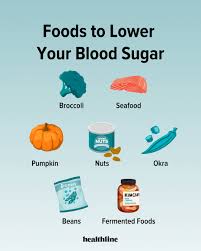
Within that, the standard advice holds. Eating carbohydrate alongside protein, fat and fibre flattens the glucose rise that follows and leaves most people fuller for longer, which quietly changes what they eat later. Dal with roti and a vegetable, idli with sambar, fruit with nuts, rice with paneer or chicken. Protein is the part most people notice, because it is the most filling of the three and it protects muscle when intake drops.
What does chronic stress actually do?
Cortisol is not a villain. It runs on a daily rhythm, high in the morning to get you moving and tapering across the day, and you need that curve. The problem is not cortisol existing, it is the curve losing its shape under stress that never resolves.
The clearest documented harm sits at the severe end. When energy availability is low and stress is sustained, the hypothalamus can turn down the signals that drive ovulation, and cycles become irregular or stop. That is a recognised clinical picture, and a reason to see a doctor rather than to try harder at relaxing.
For everyday stress the honest position is narrower than the usual advice implies. Walking, morning daylight, slow breathing and talking to someone are all worth doing, and the evidence that they move measured hormone levels in an otherwise healthy person is thinner than the evidence that they help how you feel and how you eat. Still a good enough reason, just not the same claim. Cortisol belly and insulin belly looks at what stress does and does not explain about body shape.
What kind of movement helps, and how much is too much?
Resistance training has the most direct hormonal argument behind it, because skeletal muscle is the largest site of glucose disposal in the body. More muscle, used regularly, means more places for glucose to go and less insulin needed to put it there. That is structural rather than temporary, which is why it compounds.
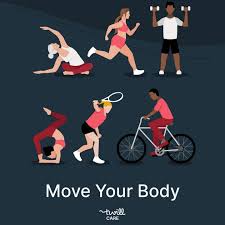
Exercise also acts on body fat, and abdominal fat in particular is metabolically active. A meta-analysis of 43 randomised trials in Advances in Nutrition found aerobic training, resistance training and the two combined each reduced abdominal fat compared with no training. No format won by a wide margin, which is useful: the one you will keep doing is the one to pick.
The overtraining warning is real and usually misdirected. The problem is rarely intensity by itself. It is high training volume on too little food for too long, which is the same low energy availability that disrupts cycles. Hard training with adequate food and real rest days is not the risk. Hard training while under eating is.
What does each of these actually change?
| Habit | What it supports | What it will not do |
|---|---|---|
| Adequate, regular sleep | Insulin sensitivity, appetite control, what you lose while dieting | Correct a thyroid disorder |
| Protein and fibre at meals | Flatter glucose response, better fullness, muscle kept | Reset estrogen or progesterone |
| Resistance training | Muscle, glucose disposal, less abdominal fat over months | Restore ovulation if intake is too low |
| Walking and daily movement | Post meal glucose handling, mood, stress load | Replace treatment for a diagnosis |
| Stress reduction practices | How you feel and how you eat | Reliably shift measured hormone levels |
| Seed cycling, detoxes, balancing supplements | Nothing that has survived a controlled trial | Anything the label claims |
Does gut health really affect estrogen?
There is a genuine mechanism, more interesting than most of what is built on top of it. The liver tags estrogen chemically to mark it for excretion. Certain gut bacteria make an enzyme that removes the tag, freeing the estrogen to be reabsorbed rather than leaving the body. A review in Nutrients sets out how the pathway works.
What is not established is the leap made from there. A mechanism existing does not mean adding yoghurt or a fibre supplement measurably changes circulating estrogen in a healthy person, or that it treats premenstrual symptoms, acne or heavy periods. Most of the work so far is observational, much of it in menopause and cancer research rather than symptom management. Eat the fibre and the fermented foods. The reasons to do so are solid and mostly not this one.
When is this a question for a doctor rather than a routine?
Some patterns are worth raising with a clinician rather than researching further. Periods that have stopped, become very irregular or turned unusually heavy. Persistent fatigue with cold intolerance, hair thinning or unexplained weight change, the picture the NHS describes for an underactive thyroid. Excess hair growth, adult onset acne, or difficulty conceiving. Any of these can have ordinary explanations, and none is something an article can sort out for you.
Getting checked is not an admission that the habits failed. Diagnosed conditions and daily habits sit on top of each other rather than competing, and treatment usually works better alongside the sleep and training than instead of it. Whether PCOS slows your metabolism covers one common case, and how hormones differ between men and women for weight loss covers another.
If a page offers to balance your hormones with a supplement, a single food or a fixed bedtime, treat the promise itself as the tell. What works here is unglamorous, slow, and has no product attached.
Frequently asked questions
Can you actually balance your hormones naturally?
You can improve the conditions several of them respond to, particularly insulin sensitivity, cortisol rhythm and appetite signalling, through sleep, food, muscle and stress. You cannot correct a diagnosed hormonal disorder that way. Both things are true at once, and most advice on this topic only mentions the first.
How long does it take to see a difference?
Some of it is quick. Sleep effects on appetite and glucose handling show up within days in controlled studies. Changes that depend on building muscle or losing fat run over months. Anyone offering a specific timeline has not met you and does not know your starting point.
Do hormone balancing supplements work?
There is no evidence that a supplement balances hormones as a category, and the phrase itself is a marketing construction rather than a clinical one. Specific supplements have specific uses, usually for a diagnosed deficiency. That is a different claim and it is worth asking a doctor about rather than a label.
Does going to bed before 11pm matter for hormones?
Consistency and duration matter more than the hour. The overnight growth hormone surge follows sleep onset and the deep stages that come after it, not a fixed time on the clock, so it moves with your bedtime. A regular late schedule with enough hours beats an early bedtime you do not actually sleep through.
Can stress alone stop your periods?
Sustained stress combined with low energy availability can suppress the signals that drive ovulation, and cycles can become irregular or stop. This is recognised and it is treatable. It is also a reason to see a doctor rather than to add another relaxation habit, because the underlying cause is often the energy side rather than the stress side.
Which single change is worth making first?
Sleep, if it is currently short or irregular, because it has the widest reach and it makes every other change easier to sustain. If sleep is already sound, adding resistance training is the next one, since muscle changes glucose handling in a way that lasts rather than fading when the week gets busy.
This article is general information, not medical advice, and is not a substitute for care from a qualified healthcare professional. Speak to your doctor about your own situation.
Leave a Reply