
You cannot aim fat loss at your face. A fuller face is usually some mix of stored fat, retained fluid and the bone structure you were born with, and each of those answers to something different. Lower your overall body fat, fix sleep and salt, and the face follows on its own schedule rather than yours.
Listen to this article, about 10 minutes. A synthetic voice reads the article and announces each section title as it begins; tables are read row by row and the questions at the end are left out.
Recorded 25 September 2026 from the article as published that day. Press a chapter to jump there; the highlighted line is what is playing. A play button sits beside every section heading, and once you scroll past this player a bar at the bottom of the screen keeps the controls in reach. Tap or click any sentence to hear the reading start from there.
On this page: the free test that tells fat from fluid, the 16 man trial behind the only spot reduction result and why it does not reach the cheeks, what the face yoga trial actually measured, what rollers really shift, and the four kinds of facial swelling that belong with a doctor.
Think you already know this? Five questions, one minute.
Every answer is on this page. Answer from what you know now; the page fills in the rest.
-
1. What is the free test the page gives for telling facial fat from fluid?
Fluid is driven by salt, short nights, alcohol and the cycle; NHS salt guidance puts the adult limit at 6g a day and notes most of it arrives already built into bread, sauces and ready meals. Read the section
-
2. What did the 2023 randomised trial of 16 overweight men find?
Per the trial: real and very small, one region, no control over diet, and no equivalent trial has been run on the face, whose muscles are not a large muscle group. Read the section
-
3. Which two measures improved significantly in the 2018 JAMA Dermatology facial exercise trial?
Per the trial, 16 women completing 20 weeks; estimated age fell from 50.8 to 48.1, nothing measured fat, and the strongest evidence for face yoga is evidence that it makes cheeks fuller. Read the section
-
4. What do a chilled roller or gua sha actually change?
A cold flannel does the same job for the price of a flannel; no evidence says any of it changes how much fat the face holds. Read the section
-
5. Which combination can be a sign of Cushing’s syndrome, according to the NHS?
Per the NHS page on Cushing’s syndrome; it is uncommon, a symptom list is not a diagnosis, and a face that has changed quickly for no reason you can account for goes to a doctor. Read the section
Is a fuller face fat, or is it fluid?
Start here, because the answer changes everything you do next. Fat moves over weeks and months. Fluid moves overnight. If your face looks soft in the mirror at 7am and noticeably sharper by lunchtime, you have been looking at fluid, and no diet removes something that leaves on its own before you have finished your coffee.
Facial fluid is driven by ordinary things: a salty dinner, a short night, alcohol, a long flight, crying, the side you slept on, and for many women the point in the cycle. Salt gets blamed most and understood least. The NHS guidance on salt sets the adult limit at no more than 6g a day, roughly a teaspoon, and points out that most of it arrives already built into bread, sauces, cereal and ready meals. The shaker takes the blame while the sandwich quietly does the work.
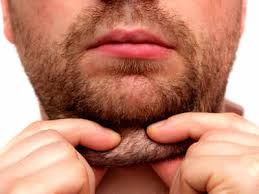
Fat is the part you can pinch, and it is still there tomorrow. That is the whole test, and it is free.
Reading the label instead of moving the salt shaker
Most of the 6g arrives already built into food. Tick each item once you have checked the salt figure on the label.
A label reading habit from NHS guidance, not a diet plan, and not a reason to change anything a clinician has told you to eat. Ticks are saved on this device only.
Can you actually burn fat from one spot?
The textbook answer is no, and it is mostly right. It is not unanimous, though, and glossing over that is how articles lose anyone who has read a contrary headline.
A 2023 randomised controlled trial put 16 overweight men through 10 weeks of matched exercise. One group only ran. The other swapped part of the running for torso rotations and crunches. The core group lost about 697g more trunk fat, around 3 percent on a DEXA scan, and the authors concluded that localised fat reduction happens in the trunk in overweight men.
Read that before you order a face roller. It is 16 men, one region, 10 weeks, no control over what anyone ate, and the entire prize is roughly 700g of trunk fat. Real, and very small. The mechanism proposed is a large muscle group working hard directly underneath the fat in question, and the muscles in your cheeks are not a large muscle group. No equivalent trial has been run on the face.
Why does the face change last for some people?
Where your body stores fat, and the order in which it hands it back, is set largely by genetics and hormones rather than by effort. The same ordering governs the subcutaneous layer everywhere else on the body, which is why the part you most want gone is usually the part that goes last. Two people can lose the same weight, one sees it in the face immediately and the other sees it there last of all, and neither did anything different. The same machinery decides where love handles sit and why they linger.
Something else gets mistaken for facial fat. The face loses volume and firmness with age under its own steam, so a leaner face can read as flatter or looser rather than sharper, especially when weight came off quickly. That is a skin question rather than a fat one, and it is the same story as skin elsewhere after weight loss.
What actually reduces fat in the face?
| Approach | What it actually changes | How strong the evidence is |
|---|---|---|
| Losing overall body fat | The fat in your face, eventually | Strong. It is the only route to the fat itself |
| Less salt, less alcohol, more sleep | Fluid, so puffiness rather than fat | Good for fluid, none for fat |
| Protein and strength training | Protects muscle, so more of what you lose is fat | Strong for body composition, indirect for the face |
| Facial exercises | The small muscles under the skin, and how raters score your appearance | One small trial, and it never measured fat |
| Rollers, gua sha, cold compresses | A fluid shift lasting minutes to hours | Weak, and temporary by design |
| Clinic procedures | Removes or destroys fat in one chosen area | The only true spot treatment, and a medical decision |
The first row is doing almost all of the work. That is the unglamorous part: the thing that changes your face is the same thing that changes the rest of you, carried on long enough that you stop noticing you are doing it.
Does drinking more water slim your face?
Not directly, and the popular version has the physiology backwards. A hydrated person does not have a puffy face because of a water shortage, and drinking litres of it does not flush fat out of anywhere. What water does is take the place of drinks carrying calories, which feeds the only mechanism that reaches facial fat at all. Useful, just not for the advertised reason.
Do facial exercises slim your face?
This one earns detail, because the study everyone cites says something different from what everyone thinks it says.
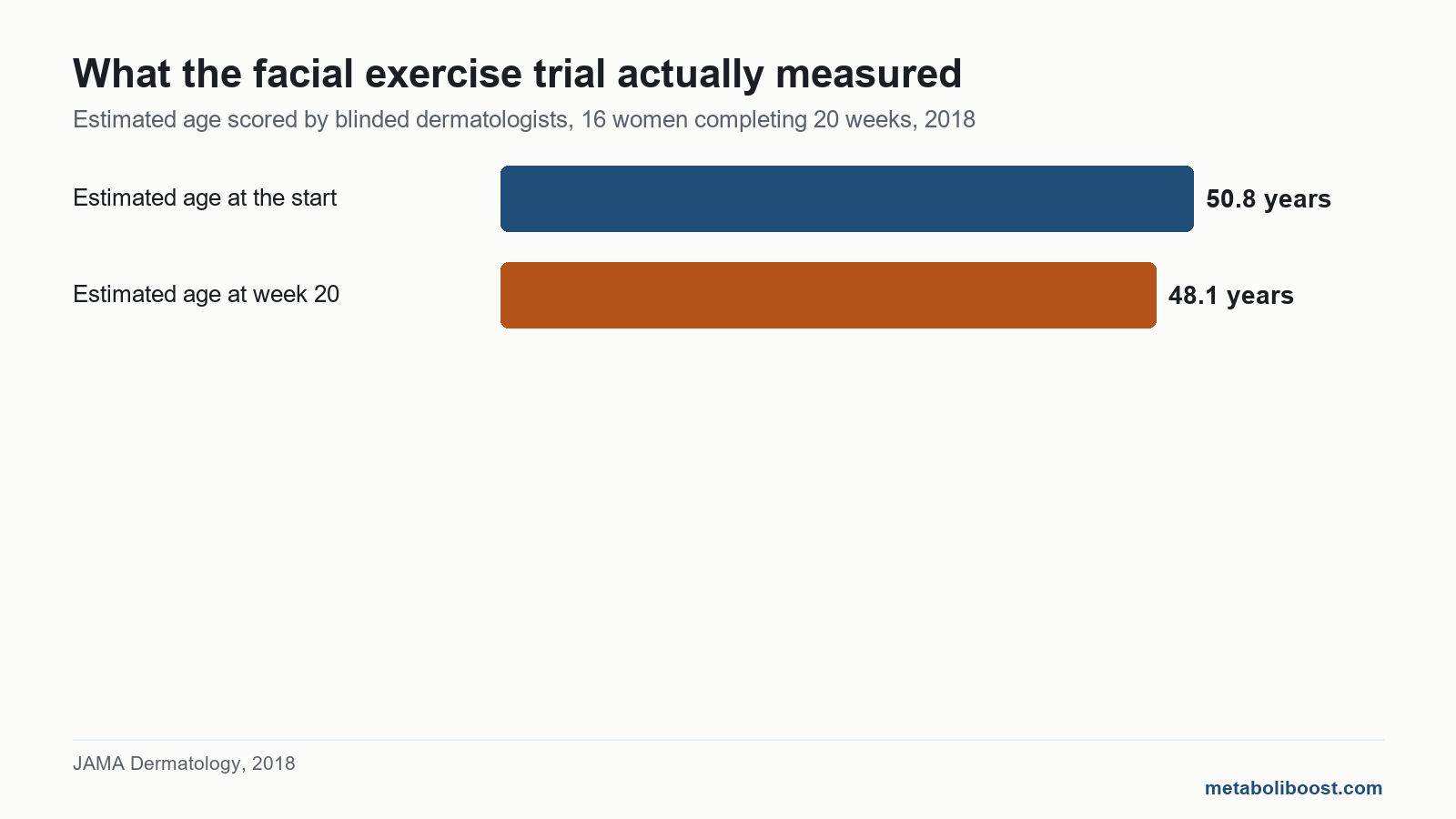
In a 2018 trial published in JAMA Dermatology, 27 women aged 40 to 65 were taught 32 facial exercises and asked to do 30 minutes a day for eight weeks, then every other day out to week 20. Sixteen completed it. Blinded dermatologists scored standardised photographs on a validated facial ageing scale. Two measures improved significantly: upper cheek fullness and lower cheek fullness. Estimated age fell from 50.8 to 48.1 years.
So the strongest evidence for face yoga is evidence that it makes cheeks fuller. In a study about looking younger that counts as a success, and if you came here wanting hollower cheeks it is the opposite of what you ordered. Nothing in the trial measured fat. Facial exercises build the small muscles under the skin, which is a real effect on a face, and it is not the effect on the label.
Do jade rollers and lymphatic massage do anything?
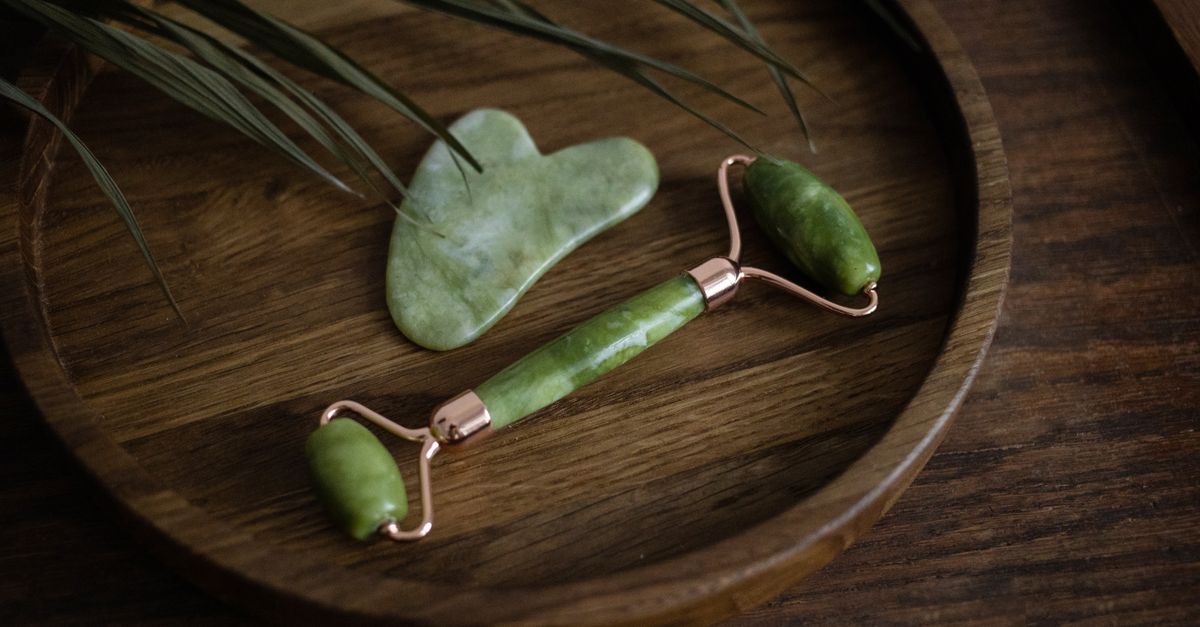
Yes, a little, and not the thing printed on the box. Cold and gentle pressure shift interstitial fluid, so a chilled roller really can take some morning puffiness out of a face. The effect is real, measured in minutes and hours, and a cold flannel does the same job for the price of a flannel. No evidence says any of it changes how much fat your face holds. Use one because it feels good before a photograph, which is a perfectly respectable reason, and not because it is fat loss.
What do clinic treatments actually do?
These are the only options that genuinely act on one area of the face. They are medical procedures rather than tips, described here so you know what exists rather than as a recommendation.
- Buccal fat removal takes out the buccal fat pad in the cheek. It is permanent, and the face carries on losing volume with age, so a result that suits a face at 30 can read as hollow later.
- Injectable deoxycholic acid is a prescription treatment for fat under the chin, given as a course of injections that destroy fat cells in the treated area. Swelling, bruising and numbness afterwards are expected, and temporary nerve injury affecting the smile is a recognised risk.
- Radiofrequency and ultrasound devices target skin laxity rather than fat, so they address a different complaint from the one most people walk in with.
All of them carry risks and costs, and the place to weigh those is a consultation with a qualified clinician who has examined your face. Not a comparison table on the internet, including this one.
When is a puffy face worth seeing a doctor about?
Sometimes facial fullness is a symptom rather than a cosmetic question.
- Rapid rounding of the face along with fat building at the back of the neck, easy bruising, purple stretch marks or thinning skin can be signs of Cushing’s syndrome, including the form caused by long term steroid medicine.
- A puffy face alongside tiredness, feeling cold, dry skin and weight gain can point to an underactive thyroid.
- Facial swelling that comes on suddenly, especially with swelling of the lips or tongue, difficulty breathing or a rash, needs emergency care rather than an appointment.
- Swelling on one side of the face only, or swelling with pain, should be assessed rather than managed at home.
A symptom list is not a diagnosis, and these conditions are uncommon. If your face has changed quickly and you cannot account for it, see a doctor rather than adjusting your diet and waiting to see what happens.
What is worth doing, and what is not?
- ✔ A calorie deficit you can hold for months, rather than one you can hold for nine days
- ✔ Enough protein, and strength training, which the NHS physical activity guidelines put at muscle strengthening work on at least two days a week
- ✔ Sleep, because a short night shows up on your face before it shows up anywhere else
- ✔ Reading the label on bread, sauces and ready meals, rather than moving the salt shaker further down the table
- ✔ Patience with the order your body has picked, which is not open to negotiation
- 🚫 Chewing gum for hours to carve a jawline, which widens the lower face instead
- 🚫 Detox teas and de puffing supplements, which largely work by sending you to the toilet
- 🚫 Losing weight as fast as possible, which costs muscle and leaves skin with less underneath it
- 🚫 Ice cubes, cold spoons and home fat freezing tricks, which move fluid for an hour and nothing else
- 🚫 Judging progress in the bathroom mirror at 7am, which is the puffiest your face will be all day
Frequently asked questions
Can I lose fat from just my face?
No. There is no way to send fat loss to a chosen area of the face, and nothing you rub, chew or squeeze on the outside reaches the fat underneath. Facial fat goes when overall body fat goes, in an order your genetics largely decide.
Why is my face puffy in the morning and fine by the afternoon?
That is fluid rather than fat. Lying flat all night, a salty dinner, alcohol or a short night all shift fluid into the face, and being upright and active moves it again within a few hours. Fat does not appear and disappear on that timescale.
Do face yoga and facial exercises make your face slimmer?
They strengthen the small muscles under the skin and there is no evidence they remove facial fat. The best known trial found that facial exercise improved how full the cheeks looked, which is the opposite of slimming, and it counted as a good outcome because the study was about looking younger.
Does chewing gum give you a sharper jawline?
It trains the masseter, the muscle that closes the jaw, and a larger masseter makes the lower face wider rather than narrower. Chewing also does not touch the fat sitting over it.
How much weight do I have to lose before my face changes?
There is no honest number. It depends on where you store fat, how much you are carrying and the order your body releases it in, and for some people the face is early while for others it is last. Anyone quoting you a figure in kilos is guessing.
Is a round face always about fat?
No. Bone structure, the cheek fat pads you were born with, muscle bulk in the jaw and everyday fluid retention all shape a face, and none of them respond to dieting. A face that has become rounder quickly, without weight gain elsewhere, is worth mentioning to a doctor.
Finished the page? The same five questions from the top, to see what stuck.
This article is general information, not medical advice, and is not a substitute for care from a qualified healthcare professional. Speak to your doctor about your own situation.
Leave a Reply