
Rarely as the main cause. Low testosterone and stubborn weight do travel together, but the evidence runs mostly the other way: carrying excess fat lowers testosterone more reliably than low testosterone drives weight gain. Losing weight raises it back, in proportion to how much is lost. Testing still matters when other symptoms are present.
What does testosterone actually do to body weight?
Testosterone is an androgen, produced mainly in the testes in men and in much smaller quantities by the ovaries and adrenal glands in women. Its relationship with body weight is real but indirect. It supports the maintenance of muscle tissue, and muscle uses more energy at rest than fat does. It influences where fat tends to sit rather than how much of it there is. And it affects energy, mood and drive, which in turn shape how much someone actually moves during a day.
None of that makes it a fat burning hormone. The popular framing treats testosterone as a switch that either releases fat or locks it in place. It is one input among many into a system where total energy intake and total energy expenditure still do most of the work, and where sleep, illness, medication and stress all have a say. Treating one hormone as the master control is what makes the story sellable, not what makes it true.
Which comes first, the low testosterone or the extra weight?
This is the question that decides what to do about it, and it has a reasonably clear answer.
A 2025 review in The Journal of Clinical Endocrinology and Metabolism looked directly at low testosterone in men with obesity. The association between the two is strong, but the arrow points mostly one way. Excess body fat has a large effect on circulating testosterone, while low testosterone has a much smaller effect on increasing body fat. The reductions seen in obesity are described there as functional rather than a disease of the testes, meaning they tend to reverse when the underlying situation changes.
And they do reverse. Meta-analyses of weight loss and testosterone, summarised in that review and in a separate review of body mass index and testosterone, show levels rising after weight is lost, with the size of the increase tracking the size of the loss. That turns the popular story inside out. Instead of fixing the hormone in order to lose the weight, losing the weight is what tends to fix the hormone.
Does testosterone treatment cause fat loss?
Not in the way it is marketed, and not as a reason to prescribe it. It helps to set the common claims next to what the research supports.
| What you often hear | What the evidence supports | What that means in practice |
|---|---|---|
| Low testosterone is why the weight will not move | The association is real, and the stronger direction is that excess fat lowers testosterone rather than the reverse | The reading is usually a marker of the situation, not its cause |
| Testosterone therapy is a fat loss treatment | It is not indicated for reduced testosterone in men with overweight or obesity | Prescribing on the basis of weight alone sits outside the guidance |
| Losing weight will not change your hormones | Testosterone rises after weight loss, and the size of the rise tracks the size of the loss | Weight loss is the intervention with the clearest hormonal payoff |
| Fat converts testosterone into oestrogen, and that explains it | Aromatase activity in fat tissue is real, but oestradiol changes have not been shown to account for the drop on their own | The mechanism is more mixed than the simple version implies |
| Boosters, zinc and vitamin D raise levels | Correcting a genuine deficiency is worthwhile, while supplementing on top of adequate status has not reliably raised testosterone | Testing beats guessing, and most people are being sold the guess |
| Levels collapse after 30 | In men the decline is gradual, at about one percent a year from around 30 to 40, and is unlikely to cause problems by itself | Age alone rarely explains symptoms that started recently |
The distinction that matters is between correcting a diagnosed deficiency in someone who has one, and handing a hormone to someone whose only complaint is that the scale has stopped moving. Treatment can shift body composition somewhat in men who are genuinely deficient. That is not the same as it being a treatment for excess weight, and the 2025 review is blunt about the difference: testosterone is not indicated for reduced testosterone concentrations in men with overweight and obesity. Weight loss through diet, activity and, where appropriate, medical treatment is what the guidance points to instead.
How would you know whether testosterone is genuinely low?
The symptom lists circulating online are close to useless on their own, because almost everything on them is produced by other things too. Fatigue, low mood, low libido, poor concentration and reduced strength are all also caused by broken sleep, depression, chronic stress, undiagnosed illness, heavy drinking and simply being out of condition.
NHS guidance on the so called male menopause makes the same point from the other direction. Testosterone does fall with age, steadily, at about one percent a year from around the age of 30 to 40, and that decline is unlikely to cause any problems in itself. Late onset hypogonadism is a real condition, and it is uncommon, developing particularly in men who are obese or who have type 2 diabetes. Where symptoms are present, the NHS position is that psychological causes such as stress, anxiety and depression are more often responsible, and that a GP is the right place to work out which it is.
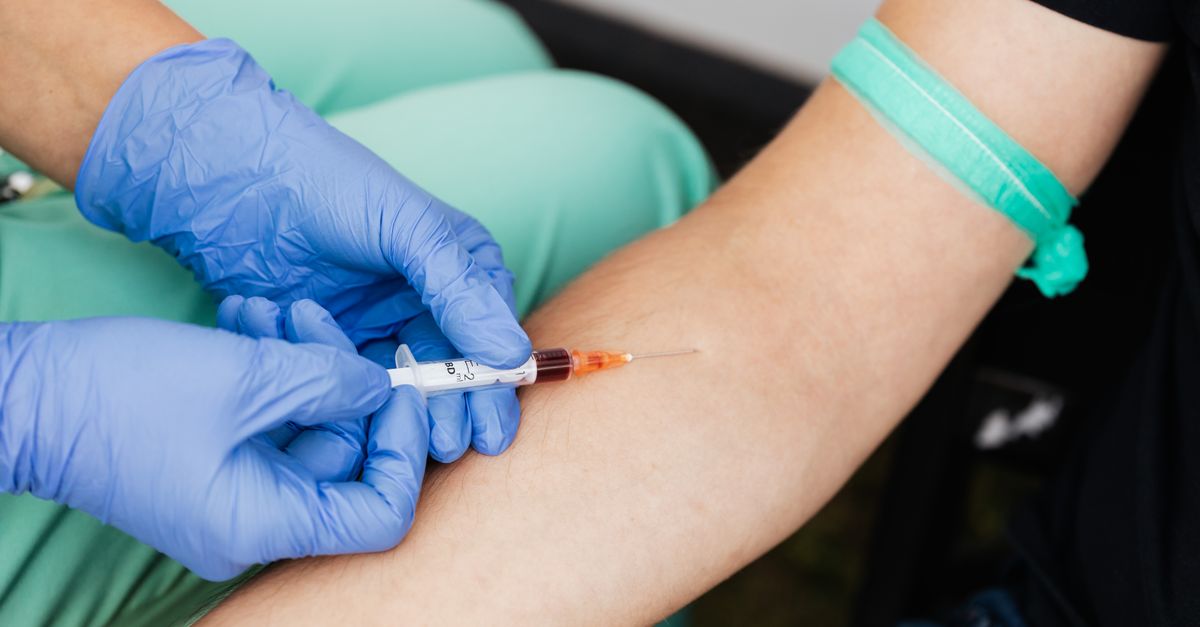
Diagnosis, where it happens, involves blood testing done properly: a morning sample, repeated on a separate day, read alongside other pituitary hormones and alongside the clinical picture. Levels move through the day and between days, and they drop temporarily during acute illness. One low number taken on a bad afternoon does not establish anything, which is also why direct to consumer hormone panels are easier to buy than to act on.
Does any of this apply to women?
Women produce testosterone too, and it does contribute to muscle and bone. But the claim that low testosterone explains stubborn weight in women rests on much thinner ground than the equivalent claim in men, for a basic reason: there is no blood level that can be used to define testosterone insufficiency in women at all.
That is the conclusion of an international consensus position statement announced by the Endocrine Society and endorsed by a coalition of medical societies. The one indication it found adequate evidence for was hypoactive sexual desire disorder in postmenopausal women. Weight, body composition and metabolic outcomes were not among the indications it supported, and it recommended against using testosterone for them. Products licensed for women are scarce, which is why doses are small and monitoring is close on the rare occasions it is prescribed.
Where weight has genuinely become harder to manage, the more common explanations are the ones worth checking first: the menopause transition, thyroid function, polycystic ovary syndrome, medication that affects weight, and sleep. Those are all testable. Male and female hormones in weight loss covers how the underlying differences play out.
What actually helps, if not testosterone?
The useful and slightly deflating answer is that the things which support testosterone are largely the same things which support weight management, which is exactly why the two are so hard to separate in the first place.
- Resistance training. It protects muscle during weight loss, which is the part of body composition most worth defending. The short hormonal spike after a session is not why it works.
- Sleep. Testosterone release is closely tied to sleep, and consistently short sleep is associated with lower daytime levels in healthy men. Sleep also affects appetite regulation and how much energy anyone has to be active.
- Enough protein and enough food overall. Severe restriction suppresses reproductive hormones. Losing weight at a moderate rate with adequate protein protects muscle better than losing it as fast as possible.
- Treating whatever else is going on. Obstructive sleep apnoea, poorly controlled type 2 diabetes, depression and heavy alcohol use all lower testosterone and all make weight harder to manage. All of them are treatable.
- Correcting real deficiencies, not imagined ones. Where vitamin D, iron or another nutrient is actually low, correcting it is worth doing on its own terms. Supplementing on top of adequate status has not reliably raised testosterone, and the booster market depends on blurring that difference.
When is it worth raising with a doctor?
When several symptoms are present together and persistent, particularly reduced libido, loss of morning erections, shrinking testicles or difficulty conceiving in men, that is a conversation to have with a GP rather than a test to order online. The same is true when weight has become harder to manage despite consistent effort, because the list of things that can cause that is long, and most of it is checkable.

Nothing here is an argument for skipping that conversation. Hormones matter. The point is narrower: the hormone most often blamed for stalled weight loss usually sits downstream of the problem rather than upstream of it, and the thing that moves it is the same thing that was being attempted anyway. Why it is easier for men to lose weight looks at the same hormone from the other side.
Frequently asked questions
Can low testosterone stop you losing weight?
Not usually as the main obstacle. The stronger relationship runs the other way, with excess body fat lowering testosterone rather than low testosterone driving the weight gain. Levels tend to rise again after weight is lost, in proportion to how much comes off, which makes a low reading more often a marker than a cause.
Will testosterone therapy help with weight loss?
It is not a weight loss treatment and it is not indicated for that purpose. In men with a diagnosed deficiency, treatment can shift body composition somewhat, which is a different situation from taking it because the scale has stalled. Prescribing decisions here belong with a doctor who can test properly first.
Does low testosterone affect weight in women?
There is no blood level that defines testosterone insufficiency in women, so the claim is much harder to make than it is for men. Where weight has become harder to manage, the menopause transition, thyroid function, polycystic ovary syndrome, medication and sleep are more common explanations and all can be tested for.
Can you raise testosterone naturally?
The reliable levers are unremarkable: losing excess weight, resistance training, adequate sleep, avoiding severe food restriction, limiting alcohol, and treating conditions such as sleep apnoea. Supplements sold as boosters have not been shown to raise levels in people who are not deficient in something specific.
Does testosterone fall sharply after 30?
In men the decline is gradual rather than sharp, at roughly one percent a year from around the age of 30 to 40, and it is unlikely to cause problems by itself. Symptoms that appear suddenly in mid life usually have a different explanation behind them.
Is a home testosterone test worth ordering?
A single result is difficult to act on. Levels vary through the day and between days and fall temporarily during illness, so interpretation depends on when the sample was taken, what other hormones are doing and what is happening clinically. A GP can arrange testing set up to be interpretable.
This article is general information, not medical advice, and is not a substitute for care from a qualified healthcare professional. Speak to your doctor about your own situation, including before starting or stopping any treatment.
Leave a Reply