
Whether green tea helps in weight loss has been tested in randomised trials, and the answer is barely. A Cochrane review found the difference too small to be clinically important, the lab measured metabolism lift is mostly caffeine, and concentrated extract capsules raise liver enzymes at high doses. Brewed tea is fine; the pill is a different question.
Does green tea actually help you lose weight?
Not in any way you would notice. The most thorough answer is the Cochrane review of green tea for weight loss and weight maintenance by Jurgens and colleagues, published in 2012. It admitted only randomised trials of at least 12 weeks in adults with overweight or obesity, a higher bar than anything quoted on tea packaging.
The trials split into two groups that behaved very differently. Six studies run outside Japan, covering 532 participants, could be pooled, and the mean difference in weight between green tea and control was 0.04 kg, with a confidence interval running from a loss of 0.5 kg to a gain of 0.4 kg. That is not a small effect. That is a rounding error with a confidence interval attached. Waist measurements told the same story: a pooled difference of 0.2 cm, not statistically significant.
Eight trials run in Japan, with 1,030 participants, all leaned in green tea’s favour, but they were too different from one another in design and preparation to combine into one figure. The reviewers’ own conclusion is worth reading in their words: green tea preparations appear to produce “a small, statistically non-significant weight loss”, and because it is small “it is not likely to be clinically important.” Green tea also had no significant effect on keeping weight off after a diet.
Other summaries land close by. An earlier meta-analysis by Hursel and colleagues in the International Journal of Obesity in 2009 pooled 11 studies, mostly of catechin and caffeine mixtures rather than brewed tea, and called the effect “small” but positive, larger in people who habitually took in little caffeine. The US National Center for Complementary and Integrative Health, in a page updated in February 2025, says green tea catechins and caffeine “may have a modest effect on body weight.” Small, modest, not clinically important: three sources, one shrug, varying in how politely they phrase it.
Why does everyone say green tea boosts your metabolism?
Because in a respiration chamber, it measurably does, and the first half of a finding always travels further than the second. The cleanest data come from a 2011 meta-analysis by Hursel and colleagues in Obesity Reviews, which pooled studies where people lived in sealed rooms that measure every breath for 24 hours.
Here is the arithmetic the tea brands leave out, using the paper’s own numbers.
- Catechin and caffeine mixtures raised 24 hour energy expenditure by 428.0 kJ, which is 4.7 percent.
- 428.0 kJ divided by 4.184 kJ per kilocalorie is about 102 kcal over a whole day.
- Caffeine on its own, with no catechins at all, raised it by 429.1 kJ, or 4.8 percent. That is about 103 kcal.
- The difference between the green tea mixture and plain caffeine is therefore roughly zero.
So the celebrated metabolism boost of green tea is, on these figures, the metabolism boost of caffeine, which a cup of coffee also supplies. The mixture did raise 24 hour fat oxidation where caffeine alone did not clearly do so, but burning a larger share of fat in a day is not losing body fat over months, which is why the 12 week trials settle the matter. The chamber showed a flicker. The scales, weeks later, did not. The same pattern holds for chilli, ginger and cold water, as our look at why kitchen metabolism boosters vanish outside the laboratory explains.
Is a cup of green tea the same as a green tea extract pill?
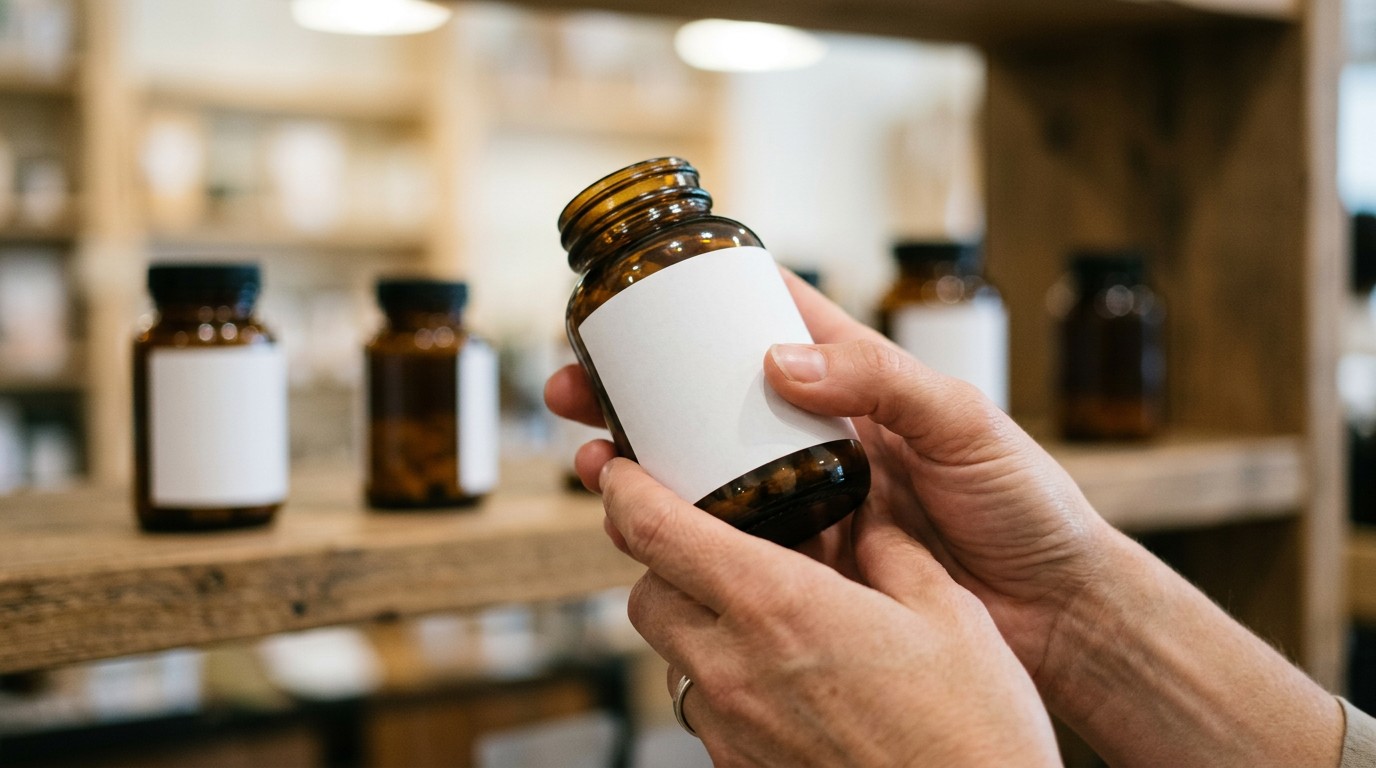
No, and this is the distinction most pages blur. The drink and the capsule share a plant and a name, not an exposure or a safety record. The table separates them, with a source on every row.
| Question | Brewed green tea | Concentrated extract capsules | Source |
|---|---|---|---|
| How much EGCG is involved? | Mean intake from infusions in EU adults is reported at 90 to 300 mg a day, with high consumers estimated up to 866 mg | Supplements on the EU market were reported to supply anywhere from 5 to 1,000 mg a day | EFSA scientific opinion, 2018 |
| What happened to weight in trials of at least 12 weeks? | Preparations pooled together: no clinically important difference outside Japan, a pooled 0.04 kg across 532 people | Cochrane, Jurgens 2012 | |
| What changed in the metabolism studies? | Energy expenditure rose about 102 kcal a day, the same rise caffeine alone produced | Hursel, Obesity Reviews 2011 | |
| Is it considered safe? | Traditionally prepared infusions are “in general considered to be safe” at reported European intakes, with rare idiosyncratic liver cases | Intakes of 800 mg EGCG a day or more as a supplement produced a statistically significant rise in liver enzymes in trials | EFSA scientific opinion, 2018 |
| What did the largest randomised safety data show? | Not tested in this trial | A decaffeinated extract supplying 843 mg EGCG a day for 12 months: 5.1 percent of women developed moderate or worse liver test abnormalities, odds 7 times placebo | Minnesota Green Tea Trial, Yu 2017 |
| Where are liver injury reports concentrated? | Uncommon | “Primarily green tea extracts in tablet or capsule form” | NCCIH, updated February 2025 |
Those figures are what regulators measured and what one trial used, not suggested intakes, and nothing here recommends green tea in any form. Read across the rows: the weight benefit is the same near nothing for both, and the risk sits almost entirely on the capsule side.
Can green tea extract damage your liver?
It can, rarely, and the evidence for this is stronger than the evidence that it helps with weight. The European Food Safety Authority’s 2018 opinion on green tea catechins concluded that interventional trials show supplement intakes of 800 mg of EGCG a day or more significantly raise serum transaminases, which are enzymes that leak from stressed liver cells.
The Minnesota Green Tea Trial, reported by Yu and colleagues in Cancer Prevention Research in 2017, followed 1,021 women with normal liver tests for a year. In the extract group, liver enzymes returned to normal when the capsules were stopped and rose again when they were restarted. That on, off, on pattern is about as direct a signal of cause as nutrition research produces. The extract was decaffeinated, so caffeine was not the culprit.
Anyone taking a green tea extract, or a weight loss product that lists green tea or Camellia sinensis among its ingredients, who develops signs of liver trouble such as yellowing of the skin or eyes, dark urine, unusual tiredness or pain in the upper right abdomen should stop the product and see a doctor promptly. Anyone with an existing liver condition should speak to their doctor before using any concentrated plant extract.
Does green tea interact with any medications?
Some, yes. The NCCIH reports that green tea at high doses reduced blood levels, and therefore the effectiveness, of nadolol, a beta blocker used for high blood pressure and heart problems. It also lists reduced blood levels of atorvastatin, a cholesterol drug, with green tea extract, and documented interactions with raloxifene. Green tea contains caffeine, and NCCIH advises that caffeine intake during pregnancy should not go beyond moderate levels. Anyone on regular medication should check with a pharmacist or doctor before adding a green tea supplement.
What happened when green tea was sold as a weight loss cure?
The public record here is instructive. In January 2010 a federal court in Connecticut ordered the marketers of a product called Chinese Diet Tea, sold alongside a slimming patch, to pay nearly 2 million dollars, in a case brought by the Federal Trade Commission (FTC File No. 042-3115). The tea was a green tea, sold at 24.95 dollars for a month’s supply, with instructions to drink a cup after each meal to “neutralize the absorption of fattening foods”, and a promise of rapid weekly weight loss without diet or exercise. The court found the violations “obvious and widespread.”
Beside the trial results, that record is the whole story of this niche. The claim was large, specific and effortless; the measured effect was too small to see. The leaves were never the problem. The promise stapled to them was.
So is green tea worth drinking if you are trying to lose weight?
As a drink, sure, and for a boring reason. Plain brewed green tea has next to no calories, so if it replaces a sweetened drink or a milky, sugared one, the swap removes far more energy than any catechin ever added to your burn. That is the honest version of green tea helping, and it works just as well with water or black coffee. It is the same logic behind why detox teas cannot do what the label says, and behind the much larger levers covered in our guide to building meals around a calorie deficit.

As a capsule, the calculation runs the other way: no meaningful weight benefit, a documented if rare liver risk, and a market where the label rarely tells you how much EGCG is inside. Our breakdown of what metabolism supplements actually changed when they were measured puts green tea extract beside caffeine and capsaicin, and the fizzy version gets the same treatment in what a fizzy weight loss tablet actually does.
What moves weight over months is still the unglamorous list: energy intake, protein, sleep, movement you can keep doing, and a clinician when weight or metabolic health is a real concern. A cup of green tea can sit beside all of that. It cannot stand in for any of it.
Frequently asked questions
Is matcha better than regular green tea for weight loss?
There is no good trial evidence that it is. Matcha is the whole powdered leaf, so a serving tends to deliver more catechins and caffeine than a brewed cup, but the pooled trials of green tea preparations found no clinically important weight effect in general, and nothing suggests a different grind changes that conclusion.
What is EGCG, and why does every green tea label mention it?
EGCG, epigallocatechin gallate, is the most abundant and most studied catechin in green tea, which is why both the weight research and the liver safety research centre on it. It is also why a capsule that does not state its EGCG content leaves you unable to compare it with anything in the trials.
Is decaffeinated green tea still useful for weight loss?
On the respiration chamber data, most of the measured rise in energy expenditure tracks caffeine, so removing it removes most of the effect that exists. Decaffeinated green tea is still a near zero calorie drink, which is its genuine use.
Can green tea reduce belly fat specifically?
No food removes fat from one chosen area. The pooled trials run outside Japan showed a waist difference of 0.2 cm, which was not statistically significant. Where fat is lost from is governed by genetics, sex and age, not by which drink you choose.
Why do some Japanese studies show bigger results?
The eight Japanese trials in the 2012 review all favoured green tea but were too different to pool. Many used specially formulated catechin drinks, and the 2009 Hursel meta-analysis suggested habitual caffeine intake and ethnicity may change the response. That makes them hard to generalise, not proof of a hidden effect.
Is it safe to drink green tea every day?
For most healthy adults, traditionally brewed green tea at ordinary intakes is considered generally safe by the European Food Safety Authority, with rare idiosyncratic liver reactions reported. Concentrated extracts are the main concern. People who are pregnant, take regular medication or have a liver condition should check with a doctor or pharmacist.
This article is general information, not medical advice, and is not a substitute for care from a qualified healthcare professional. Speak to your doctor about your own situation.
Leave a Reply