Paneer is a staple in Indian kitchens: versatile, tasty, and packed with protein. People often ask whether paneer helps or hinders weight loss.
The short answer: paneer can support weight loss — but only when used smartly. It’s protein-rich and low in carbs, which helps satiety and muscle retention, but it’s also calorie- and fat-dense, so portions and cooking methods matter.
Below is a detailed, practical guide to help you use paneer the right way for fat loss, including exact portion guidance, meal ideas, recipes, and cautions for special situations.
1) What exactly is paneer?
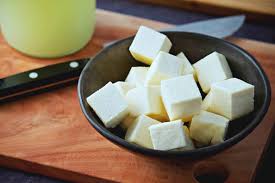
Paneer is a fresh, non-aged cheese made by curdling milk with an acid (lemon juice/vinegar) and pressing the curds. It varies by:
- Milk type & fat level (full-fat cow milk, buffalo milk, or low-fat)
- Preparation (homemade paneer is often firmer and less salty than store-bought)
- Moisture content (firmer paneer has slightly higher protein per 100 g)
Common forms: full-fat paneer, low-fat paneer (made from toned/skim milk), and crumbled paneer (used in bhurji).
2) Detailed nutritional profile (typical ranges per 100 g)
- Calories: ~260–300 kcal
- Protein: ~18–20 g
- Fat: ~18–22 g (includes saturated + unsaturated)
- Carbohydrates: ~1–2 g
- Calcium: ~200–250 mg
- Other micronutrients: Vitamin A (small), phosphorus, some B-vitamins
Note: low-fat paneer will have fewer calories and less fat but similar protein per gram of curd strength.
3) Why paneer can help with weight loss (mechanisms)
- High protein → greater satiety. Protein is the most filling macronutrient; it reduces ghrelin spikes and helps you eat fewer total calories.
- Preserves lean mass. During calorie deficit, adequate protein helps prevent muscle loss — important because muscle supports resting metabolic rate.
- Low carbohydrate. Paneer fits low-carb or moderate-carb plans and won’t spike insulin when eaten alone.
- Micronutrients. Calcium and phosphorus support bone health; calcium may modestly support fat metabolism in calorie-restricted diets.
In short: paneer helps you stay full and retain muscle while in a calorie deficit — two key drivers of sustainable fat loss.
4) Why paneer can hinder weight loss (risks)
- Calorie density. Small portions add a lot of calories. Overeating paneer can easily push you into a calorie surplus.
- Saturated fat. Full-fat paneer is high in saturated fat; frequent large portions may affect lipid profiles in some people.
- Lactose/digestive issues. Those who are lactose intolerant or have a sensitive gut may experience bloating.
- Preparation traps. Restaurant/restaurant-style paneer dishes (butter paneer, malai kofta) add ghee/cream — turning a healthy protein into a calorie bomb.
5) Practical portioning — what “one serving” looks like
Portion sizing is the single most important practical tip.
- 50 g paneer (about a small palm-sized block or 2–3 cubes) ≈ 130–150 kcal, 9–10 g protein
- 100 g paneer ≈ 260–300 kcal, 18–20 g protein
Recommendation for weight loss: keep to 50–100 g per meal, 2–4 times a week depending on your daily calorie and protein target. If you aim for a 1,200–1,600 kcal day, 50–75 g per meal is usually safe.
6) Choosing the right paneer
- Prefer low-fat paneer if you need to control calories or have high cholesterol.
- Homemade paneer often has no preservatives and less salt — a better choice than some packaged options.
- Buffalo-milk paneer is richer and more calorie-dense than cow-milk paneer — choose cow milk paneer for weight control.
7) Cooking & preparation — do’s and don’ts
Do:
- Grill / bake / air-fry paneer cubes with spices for salads or wraps.
- Sauté in 1 tsp oil with lots of veggies and spices.
- Use low-fat yogurt or tomato base for curries instead of cream.
- Combine with fiber & greens to increase volume and slow calorie uptake (paneer salad, paneer + stir-fried veggies).
Don’t:
- Deep-fry paneer or cook in heavy cream or excess oil.
- Rely only on paneer for meals — pair it with vegetables, whole grains (in moderation), or salads.
Cooking tip: press paneer for 15–30 minutes to remove excess moisture, then pat dry — it takes less oil and fries/grills better.
8) Paneer in common diets / special situations
- Low-carb / Keto: Paneer is excellent (low carbs, high fat & protein). Track portions to meet calorie targets.
- Intermittent fasting: Paneer is a good choice for your eating window to maintain protein and fullness.
- PCOS / Insulin resistance: Paneer can be helpful due to low carbs and high protein, but choose low-fat if weight loss requires calorie control. Also monitor saturated fat intake.
- Trying to Conceive (TTC) / Fertility: Paneer is acceptable, but avoid extreme low-calorie patterns. Ensure balanced macros and full nutrient intake if TTC. (Since you’re tracking fertility, keep portion control but don’t under-eat.)
- Lactose intolerance: Most paneer has low lactose compared to milk, but sensitive people may still react — try small amounts or lactose-free alternatives (tofu, soy paneer).
9) Paneer vs other proteins — when to pick paneer
- If vegetarian: Paneer is a top choice (high protein). Prefer low-fat paneer or combine with legumes for variety.
- If non-vegetarian: lean chicken has more protein & fewer calories — choose based on taste, cost, and satiety needs.
- If you need a high-fat, high-satiety food: paneer works well. For caloric restriction with minimal fat, prefer lean meats or low-fat dairy.
10) Meal ideas & sample recipes (weight-loss friendly)
Each idea keeps paneer portioned at 50–100 g unless noted.
Breakfast
- Paneer-vegetable scramble: Crumbled paneer (60 g) + spinach + tomatoes + green chilies. Serve with one small whole wheat roti or ½ multigrain toast.
- Paneer smoothie (post-workout): 50 g fresh paneer + 150 ml low-fat milk + half banana + a few berries — blend.
Lunch
- Grilled paneer salad: 75 g grilled paneer cubes + mixed greens, cucumber, cherry tomatoes, lemon-tahini dressing (1 tsp olive oil).
- Paneer & veggie bowl: 60 g paneer + large roasted veggies + 30 g quinoa (optional).
Snacks
- Spiced paneer skewers: 50 g paneer, skewered and grilled — eat with sliced cucumber.
- Mint-paneer dip: 50 g crumbled paneer + mint + lemon as dip for raw carrots/cucumber.
Dinner
- Light paneer curry: 80 g paneer simmered in tomato + low-fat yogurt gravy, lots of roasted vegetables, small portion brown rice (¼–½ cup).
- Paneer stir-fry: 70 g paneer + bell peppers, broccoli, tamari & ginger.
Swap ideas: Replace paneer with tofu (for lower fat) or grilled chicken (higher protein, lower fat) depending on calories needed.
11) Sample 7-day paneer-friendly meal plan (high-protein, calorie-aware)
This is a general template — adjust portions to meet your calorie/protein target and activity level.
Day 1 (Moderate calorie)
- Breakfast: Paneer-vegetable scramble (60 g paneer)
- Lunch: Grilled paneer salad (75 g paneer)
- Snack: Apple + 10 almonds
- Dinner: Light paneer curry (70 g paneer) + steamed veg
Day 2–7: Rotate similar meals; include 2–3 days with no paneer (use lentils/eggs/chicken) to vary nutrients.
Aim: total daily paneer ≤150–200 g on days you include it.
12) Health considerations & red flags
- If you have high LDL or family history of heart disease: prefer low-fat paneer and limit frequency.
- If you have kidney disease: high protein diets may stress kidneys — consult physician.
- If trying to conceive or managing prolactin/PCOS: paneer is okay, but avoid crash diets — focus on overall balanced calories and nutrients.
- If you’re trying to lose weight fast: don’t overconsume paneer thinking protein alone will prevent fat gain — calories still matter.
13) Practical rules (quick checklist)
- Measure: use a kitchen scale for paneer until you learn portion sizes by sight.
- Cook smart: grill/air-fry; minimal oil; use yogurt/tomato gravies.
- Pair it: always eat paneer with vegetables or whole grains for balance.
- Frequency: 2–4 times per week is sensible for most people in a weight-loss plan.
- Switch types: alternate between low-fat and full-fat depending on hunger and lipid profile.
- Track: if weight stalls, track total daily calories for 3 days and adjust paneer portions accordingly.
14) Quick FAQs
Q: Is paneer better than tofu for weight loss?
A: Paneer has more protein than tofu (generally) but also more fat and calories. Tofu is better if you need a lower-calorie protein. For vegetarians concerned about taste + satiety, paneer is an excellent choice — just watch portions.
Q: Can I eat paneer every day?
A: You can, but keep portions small (50 g) and balance with vegetables and whole grains. If daily, prefer low-fat paneer.
Q: Is paneer allowed on low-calorie diets like GM diet?
A: Paneer is typically allowed only on the protein days (if you follow a vegetarian variant). On stricter fruit/veg days, avoid paneer to stay within the plan.
15) Final verdict — practical bottom line
Paneer is a weight-loss friendly food if you:
- Control portion sizes (50–100 g servings)
- Use healthy cooking methods (grill, bake, air-fry, light sauté)
- Pair with lots of vegetables and moderate carbs
- Choose low-fat variants when trying for a strong calorie deficit
- Don’t rely on restaurant/cream-heavy dishes
It’s not a magic bullet, but as a high-quality, satiating vegetarian protein, paneer can be a very useful and enjoyable part of a sustainable weight-loss plan.
Leave a Reply