The Rise of Monk Fruit: Nature’s Answer to Sugar Addiction
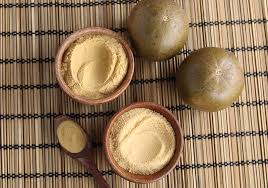
If you’ve been scanning ingredient labels lately, you’ve probably seen “Monk Fruit Extract” popping up everywhere — from protein bars to “keto” chocolates and even energy drinks.
It’s being praised as the clean, natural alternative to sugar — a sweetener that promises the impossible: sweet taste, zero calories, zero insulin spike, and no side effects.
But does it truly live up to the hype? Or is it just another wellness buzzword packaged as health?
Let’s uncover what really makes monk fruit so unique — and whether it deserves a permanent spot in your pantry.
🍃 What Exactly Is Monk Fruit?
Monk fruit, or Luo Han Guo, is a small green melon native to the lush mountains of southern China and northern Thailand.
It gets its name from the Buddhist monks who first cultivated and used it over 800 years ago, not as a sugar substitute, but as a healing tonic for cough, sore throat, and heat-related illness.
The magic behind its sweetness lies in mogrosides — plant compounds that are up to 200–300 times sweeter than sugar, yet contribute no calories, no carbohydrates, and no glycemic load.
In short, monk fruit gives you all the taste of sugar — without the metabolic chaos that sugar causes.
⚗️ The Science Behind the Sweetness
The main compound, mogroside V, is what makes monk fruit a nutritional marvel.
When consumed, mogrosides are metabolized differently from sugar:
- They don’t raise blood glucose or insulin.
- They aren’t stored as fat.
- They even possess antioxidant and anti-inflammatory effects.
That’s why monk fruit has become a favorite among diabetics, PCOS warriors, keto followers, and fitness enthusiasts alike.
💚 6 Proven Benefits of Monk Fruit You Should Know
1. Regulates Blood Sugar Naturally
Unlike table sugar or honey, monk fruit sweeteners have a glycemic index of 0.
They don’t trigger an insulin surge or lead to post-sugar crashes — making them ideal for people managing diabetes, insulin resistance, or hormonal imbalance.
🧠 Interesting fact: Studies suggest mogrosides may protect insulin-producing beta cells in the pancreas, improving long-term glucose regulation.
2. Supports Weight Loss Without Sacrificing Sweetness
Monk fruit offers a satisfying sweetness that helps curb sugar cravings while cutting empty calories.
When used mindfully, it can support calorie reduction without the psychological deprivation often linked to dieting.
💡 Pro tip: Replace sugar in beverages and desserts, but keep overall diet balanced — sweeteners can’t replace whole-food nutrition.
3. Anti-Inflammatory and Antioxidant Powerhouse
Mogrosides act as free-radical scavengers, helping neutralize oxidative stress — a root cause of aging, inflammation, and chronic disease.
Some studies suggest monk fruit may even reduce markers of liver inflammation and oxidative DNA damage.
🌿 Think of it as sweet protection for your cells.
4. Gut-Friendly and Non-Disruptive
Unlike artificial sweeteners like aspartame or sucralose — which can alter gut bacteria and increase bloating — monk fruit appears gut-neutral.
It doesn’t ferment in the intestines and has no reported impact on healthy microbiota balance.
For anyone with IBS, leaky gut, or sensitive digestion, that’s a major win.
5. Safe for Hormones & PCOS
Sugar spikes insulin, which can trigger androgen imbalance and worsen symptoms like acne, hair growth, and irregular cycles in PCOS.
Monk fruit, however, helps stabilize insulin — indirectly supporting hormone balance and fertility over time.
6. Potential Immune-Supporting Properties
Traditional Chinese Medicine revered Luo Han Guo for its cooling and healing properties.
Modern research echoes that — showing monk fruit extract may help modulate immune responses, ease throat inflammation, and act as a mild anti-histamine.
⚠️ The Flip Side: What You Should Watch Out For
1. Hidden Ingredients and Blends
Here’s the catch: Most commercial monk fruit sweeteners are not 100% pure.
They’re often mixed with:
- Erythritol – a sugar alcohol that can cause bloating
- Maltodextrin or dextrose – which raise blood sugar
- Artificial flavors – to mask aftertaste
✅ Check the label: Look for “100% monk fruit extract” or “pure mogroside V extract.” Anything else is likely diluted.
2. Aftertaste (for Some Palates)
While monk fruit tastes more natural than stevia, a few people detect a slight fruity or herbal aftertaste.
This usually fades when mixed with cocoa, coffee, or fruit-based recipes — but it’s worth noting if you’re new to natural sweeteners.
3. Limited Long-Term Human Research
Even though monk fruit has been safely consumed for centuries, clinical studies in humans are still limited.
Early evidence is promising, but we need more data on long-term hormonal, metabolic, and gut effects.
Still, compared to artificial sweeteners, monk fruit stands as one of the safest options available.
🍓 How to Use Monk Fruit in Everyday Life
Monk fruit comes in several forms — choose based on your use case:
| Type | Best For | Notes |
|---|---|---|
| Liquid drops | Tea, coffee, smoothies | Highly concentrated – start small |
| Powdered extract | Baking, cooking | Stable in moderate heat |
| Granulated blends | Desserts & keto recipes | Check for fillers |
| Pre-packaged foods | Protein bars, yogurts | Read labels for added sugars |
🧁 Pro tip: Pair monk fruit with a little fiber or protein to improve texture and keep sweetness balanced.
🧬 Monk Fruit vs. Other Sweeteners
| Sweetener | Source | Calories | Glycemic Index | Gut Impact | Notes |
|---|---|---|---|---|---|
| Sugar | Cane/Bee | 4 kcal/g | High | Neutral | Addictive, spikes insulin |
| Stevia | Leaf | 0 | 0 | May cause bloating | Slight bitter aftertaste |
| Aspartame/Sucralose | Synthetic | 0 | 0 | Alters microbiota | Linked to cravings |
| Erythritol | Sugar alcohol | ~0.2 | Very Low | May cause gas | Cooling sensation |
| Monk Fruit | Fruit | 0 | 0 | Gut-friendly | Clean sweetness |
✅ Verdict: Monk fruit wins for purity, gut safety, and blood sugar control.
🧠 Mindful Sweetness: The Bigger Picture
Even with natural sweeteners, moderation matters.
Your taste buds — and your brain — adapt to sweetness levels. Overusing even healthy substitutes can keep sugar addiction alive by reinforcing your sweet threshold.
So, the goal isn’t just to replace sugar.
It’s to retrain your palate to enjoy real flavors — from fruit, nuts, and whole foods — and use monk fruit as a gentle ally, not a crutch.
💬 Expert Insight: What Nutritionists Say
“Monk fruit is one of the few sweeteners I recommend regularly,” says Dr. Meera Patel, a clinical nutritionist.
“It’s plant-based, blood sugar friendly, and doesn’t harm the gut. The only caution is quality — buy from trusted sources, not cheap blends.”
🌟 Final Verdict: Hype or Health Hero?
✅ Verdict: Health Hero — with a Caution Label.
Monk fruit isn’t marketing hype.
It’s one of the cleanest, safest, and most natural alternatives to sugar available today.
Its antioxidant properties, zero-glycemic impact, and hormone-friendly profile make it an ideal choice for long-term wellness.
But remember — no sweetener can replace a balanced diet, consistent movement, and stress management.
Think of monk fruit as your sweet little helper — not your hero.
When used wisely, it can turn your wellness journey from a restriction story into one of balance, pleasure, and peace. 🌿💛
Leave a Reply