The Science, Benefits, and Limitations of Cold Therapy
Ice baths, cold showers, and cryotherapy are more than just trends — they’re touted by athletes and biohackers as tools for recovery, performance, and even fat loss. But can immersing yourself in freezing water actually help burn fat? Let’s explore the science behind cold exposure, its effects on metabolism, and what you need to know before jumping into an ice bath.
What Are Ice Baths?
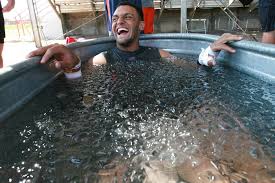
An ice bath is a form of cold water immersion, usually between 10°C and 15°C (50°F–59°F), where the body is submerged for a short period, typically 5–15 minutes.
Athletes traditionally use ice baths to:
- Reduce muscle soreness
- Accelerate post-workout recovery
- Minimize inflammation
Recently, research suggests that ice baths may also stimulate fat metabolism, making them an appealing tool for weight management.
The Science of Fat and Cold Exposure
Understanding Fat Types
Humans have two main types of fat:
- White Fat (WAT)
- Stores energy as fat
- High levels linked to obesity and metabolic disorders
- Brown Fat (BAT)
- Burns calories to produce heat
- Rich in mitochondria, giving it a brown color
- Activated by cold exposure through thermogenesis
There’s also a third type, “beige fat,” which can develop within white fat cells under certain stimuli like cold exposure or exercise, helping burn calories like brown fat.
How Cold Exposure Burns Fat
When you enter cold water:
- Your body works to maintain core temperature (~37°C)
- Brown fat activates, using stored energy (white fat) to generate heat
- Shivering may also contribute to muscle-based calorie burn
This process is called non-shivering thermogenesis, which can increase calorie expenditure by 200–400 kcal/day in some individuals, according to research. (Harvard Health)
Scientific Evidence on Cold Therapy and Fat Loss
Several studies have investigated the effects of cold exposure on fat metabolism:
- Brown Fat Activation in Adults
- A study in The New England Journal of Medicine (2009) showed that 2 hours of mild cold exposure daily increased brown fat activity and calorie burning in adults. (NEJM 2009;360:1500–8)
- Cold Exposure and Energy Expenditure
- Another study found that short-term cold exposure can increase metabolic rate by 10–30%, depending on brown fat volume and activity.
- Cryotherapy vs. Ice Baths
- Whole-body cryotherapy (-110°C for 2–3 minutes) and ice baths have similar fat-burning mechanisms, but ice baths are more accessible and affordable.
Important note: While these studies are promising, ice baths alone are unlikely to produce significant fat loss without diet and exercise.
Benefits of Ice Baths Beyond Fat Burning
- Improved Recovery – Reduces delayed onset muscle soreness (DOMS) and inflammation.
- Enhanced Circulation – Cold exposure constricts blood vessels, and rewarming improves blood flow.
- Mental Resilience – Cold stress activates the sympathetic nervous system, boosting alertness and mood.
- Potential Hormonal Support – Cold exposure may increase norepinephrine, which can improve focus, mood, and energy utilization.
Limitations and Risks
- Calorie Burn is Modest – Ice baths alone won’t replace diet and exercise.
- Individual Variability – Brown fat activity decreases with age and varies among individuals.
- Potential Health Risks – Hypothermia, frostbite, or cardiovascular strain if not done carefully.
- Not a Sustainable Fat-Loss Strategy – Requires frequent exposure for any meaningful metabolic effect.
How to Safely Use Ice Baths for Fat Loss
- Start Slow: Begin with 1–2 minutes at 15°C and gradually increase time or decrease temperature.
- Keep Water Moderate: Ideal range is 10–15°C (50–59°F).
- Listen to Your Body: Shivering is normal; numbness or pain is a warning.
- Warm Up Afterwards: Light movement or warm clothes help restore core temperature.
- Combine With Healthy Habits: Ice baths can support, but diet, strength training, and cardio remain essential.
Ice Baths vs. Cold Showers: What’s Better for Fat Loss?
- Ice Baths: Full immersion, faster cooling, more intense brown fat activation.
- Cold Showers: Easier to integrate, less extreme, may offer gradual benefits.
Both can stimulate thermogenesis, but ice baths are more effective for short-term calorie expenditure, while cold showers are easier to maintain consistently.
Realistic Expectations
- Ice baths support fat burning, but only modestly.
- Best results occur when combined with:
- Balanced diet
- Regular exercise
- Consistent sleep
- Think of cold therapy as a supplementary tool, not a standalone solution.
Bottom Line
Ice baths can activate brown fat and slightly increase calorie burn, but they are not a miracle fat-loss solution. Their greatest value lies in enhancing recovery, improving circulation, and boosting mental resilience — all of which indirectly support fat loss over time.
Takeaway: Use ice baths strategically, stay safe, and combine them with proven fat-loss methods for the best results.
Quick Takeaways
- Ice baths trigger brown fat activation and non-shivering thermogenesis.
- Calorie burn is real but moderate — don’t rely on ice baths alone.
- Combine cold therapy with diet, exercise, and sleep for meaningful fat loss.
- Start slow and follow safety precautions to avoid hypothermia or injury.
Leave a Reply