How modern habits are silently reshaping the health of India’s next generation
India is a land of contrasts — high-tech innovation and traditional wisdom, yoga yet high stress, homemade food culture yet explosive fast-food growth.
Amid these changes, one crisis keeps growing quietly:
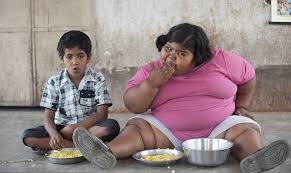
Childhood Obesity.
Once seen only in wealthy homes, obesity is now common in cities, towns, and even villages. According to ICMR, 1 in 10 children in India is overweight or obese, and the number is rising every year.
Many parents still believe:
“Thoda mota baccha healthy hota hai.”
But today’s “healthy-looking chubby child” can become tomorrow’s diabetic adult.
🍽️ Why is Childhood Obesity Increasing in India?
✅ 1. Nutrition Transition
Traditional meals → replaced by
- Packaged snacks
- Sugary drinks
- Fast food delivery
- Bread, noodles, pizza, biscuits
- Chocolate spreads, cheese, bakery items
Parents think it’s a treat. Children develop hyper-palate craving — brain gets hooked on salt-sugar-fat.
Science: Junk food triggers dopamine → cravings → habit loop.
✅ 2. Sedentary Urban Lifestyle
Old childhood: playgrounds, cycling, gully cricket
Current: mobile, OTT, gaming, reels, indoor routine
Sedentary kids burn 30–40% fewer calories.
Muscles weaken → insulin resistance → fat storage.
✅ 3. Academic Pressure
“First study, then play”
“Marks first, movement later”
Result?
Children sit 10–12 hours/day between school + coaching + homework.
Movement = metabolism.
No movement = low metabolism + fat storage.
✅ 4. Eating as Love & Reward
Typical Indian home psychology:
- “Finish your plate, don’t waste food”
- “Good marks? Have chocolate”
- “Eat more to become strong”
This associates food with emotions, not hunger.
✅ 5. Lack of Sleep
Late sleeping = high ghrelin (hunger hormone), low leptin (satiety hormone).
Children who sleep <8 hrs/day
→ 2.5 times more likely to gain weight.
Late-night screens = double damage.
🩺 Health Consequences — Not Just Weight
Childhood obesity causes adult diseases in children:
| Health Problem | Explanation |
|---|---|
| Type-2 diabetes | Very common in teens now |
| Fatty Liver (NAFLD) | Leading cause of liver disease in youth |
| PCOS in girls | Weight–hormone imbalance cycle |
| Early puberty | More body fat = hormonal triggers |
| Asthma & snoring | + sleep apnea risk |
| Joint pain | Weight on growing bones |
| Low confidence | Body dissatisfaction, bullying |
This isn’t “cuteness” — it’s early metabolic damage.
🧠 Mindset Shift Parents Need
❌ Food = reward
❌ Screen = calm child
❌ Force feeding
❌ Snacks to avoid tantrums
❌ Comparing with other kids
✅ Encourage mindful eating
✅ Offer healthy choices
✅ Teach hunger cues
✅ Lead by example
✅ Prioritize sleep + movement + routine
When parents change mindset, children change habits.
✅ Practical, India-Friendly Action Plan
🍱 1. Smart Food Upgrades
| Replace | With |
|---|---|
| Biscuits | Makhanas, fruit, chana |
| Maggi | Veg dalia / poha / idli |
| Sugary milk | Milk + turmeric/cardamom |
| Soft drinks | Coconut water, lemon water |
| Chocolate spreads | Peanut/Jaggery chikki |
Add protein in every meal: dal, milk, paneer, eggs, nuts.
🏃♂️ 2. 60 Minutes Outdoor Play Daily
Not “exercise”, play:
- Badminton
- Skipping
- Cycling
- Football
- Running
- Skating
Social play > gym.
⏳ 3. Screen Rule
Max 1–1.5 hours total/day
No screen:
- While eating
- 2 hours before bed
🌙 4. Sleep Hygiene
- Bed by 9:30–10 PM
- No gadgets in bedroom
- Family routine helps
👨👩👧👦 5. Family Participation
Child alone cannot change.
When parents:
✅ walk after dinner
✅ eat healthy
✅ limit screens
✅ celebrate physical activity
Children follow.
🎯 Key Message
Childhood obesity is not a weight problem — it is a metabolic emergency.
Strong childhood habits → strong future adults.
Healthy childhood = Healthy India.
Leave a Reply