Between now and 2030 the tools around weight loss change a great deal and the biology underneath it does not budge. Better medicines, cheaper sensors and software that nags you politely are all arriving. Energy balance, protein, sleep, muscle and ordinary daily movement will still be doing most of the work.
Forecasts about weight loss have a poor record. The 1990s were certain that fat free biscuits would fix us. The 2000s were certain the correct carbohydrate rule would. Both were confident, both sold extremely well, and both were wrong.
Some of the 2030 forecast has already landed. Some of it is a brochure with a testing kit attached.
What is actually going to be different by 2030?
Three things have genuinely moved: the medicines, the sensors and the software. Most of the rest of the standard prediction list is either thirty year old advice in a new font, or a product still looking for evidence to justify its price.
| The promise | What is being sold | Where the evidence actually is |
|---|---|---|
| Oral weight loss medicines | A tablet instead of an injection | Approved and real. Prescription only, and appetite tends to return when they stop |
| Continuous glucose sensors | See which foods spike you | On general sale since 2024. Little evidence a flatter line means more fat loss |
| Microbiome testing | A diet matched to your own bacteria | Premise sound, products early. People do respond differently to identical meals |
| Genetic diet tests | Your DNA picks your macros | Weakest item here. Genotype matched diets have not beaten generic advice |
| AI coaching apps | A dietitian in your pocket | Good at logging and reminding. The arithmetic was never the hard part |
| Body composition tracking | Measure fat and muscle, not weight | Right direction. Home scales reporting body fat percentage are still rough |
| Ultra processed food rules | Labels, limits and advertising bans | Policy moving, and the trial evidence behind it is unusually strong |
Do the new weight loss medicines change the rules?
The biggest change already happened. GLP-1 medicines moved appetite out of the territory of willpower and into the territory of pharmacology, which is a different world from the one most diet advice was written for.
The needle is becoming optional too. A tablet form of semaglutide was approved for weight management in December 2025, and orforglipron was approved in April 2026 as the first oral GLP-1 that does not have to be swallowed fasted with a measured sip of water. The NHS pages on semaglutide and tirzepatide are a plainer read than most of what is written about them.
What has not changed is that these are prescription medicines. They are started, dosed and monitored by a clinician, they carry side effects, they are not suitable for everyone, and appetite generally returns when they are stopped. Anyone weighing them up should be having that conversation with their own doctor rather than with an article.
There is also a body composition question worth understanding early. Part of the weight lost on these medicines is lean tissue rather than fat. That is not a quirk of the drugs, and the same pattern shows up when people lose weight by eating less. Resistance training and enough protein are the usual counterweights, and they are worth planning for at the start rather than after the fact.
Will a glucose sensor tell you what to eat?
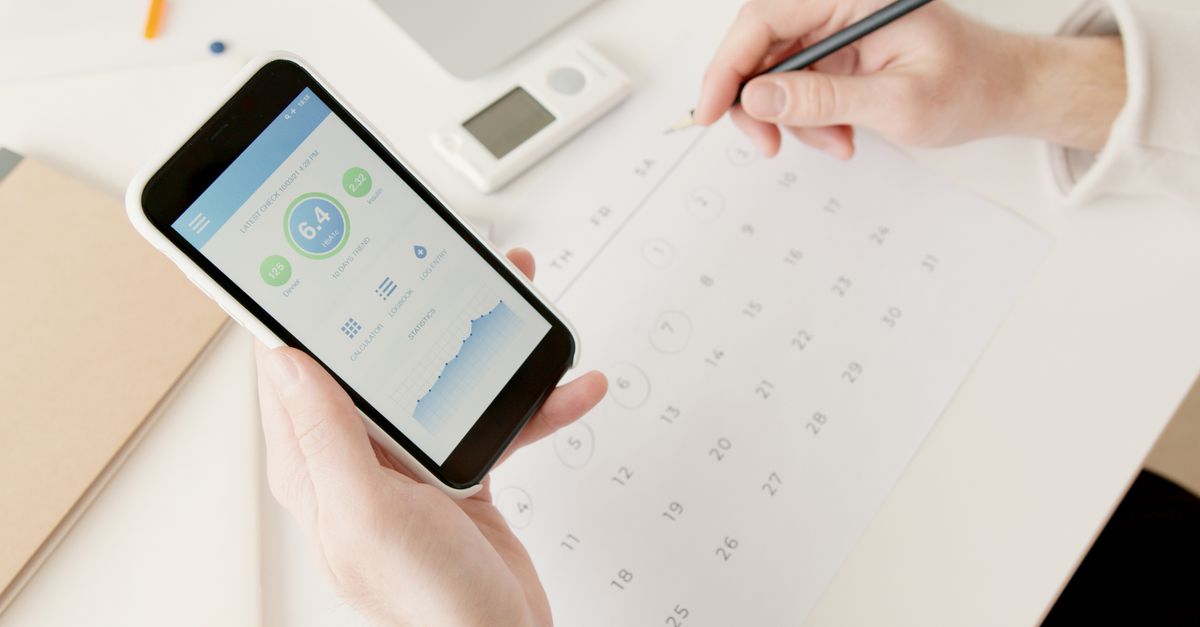
Continuous glucose monitors used to be medical devices for people with diabetes. Since 2024 they have been sold over the counter to people without it, and an entire genre of advice has grown up around the resulting graphs.
What they do well is show you your own data. Discovering that a virtuous looking breakfast smoothie behaves in your bloodstream a lot like a pudding is memorable, and cheaper than a nutrition degree.
What has not been shown is that chasing a flatter line makes people with normal glucose control lose fat. The evidence for that is thin. A rise after a meal is what a working pancreas looks like rather than a fault, and a consumer sensor reading is not a diagnosis. If one shows something that worries you, that is a reason to speak to a doctor.
Is personalised nutrition ready, or is it still a sales pitch?
The premise is right and the products are early, which is an awkward combination to price.
People really do respond differently to identical meals. Two colleagues can eat the same sandwich and produce noticeably different blood sugar curves, and that variation is real and measurable. The leap being sold is the next one along: that a posted sample can be read back to you as the correct diet, personally, for life.
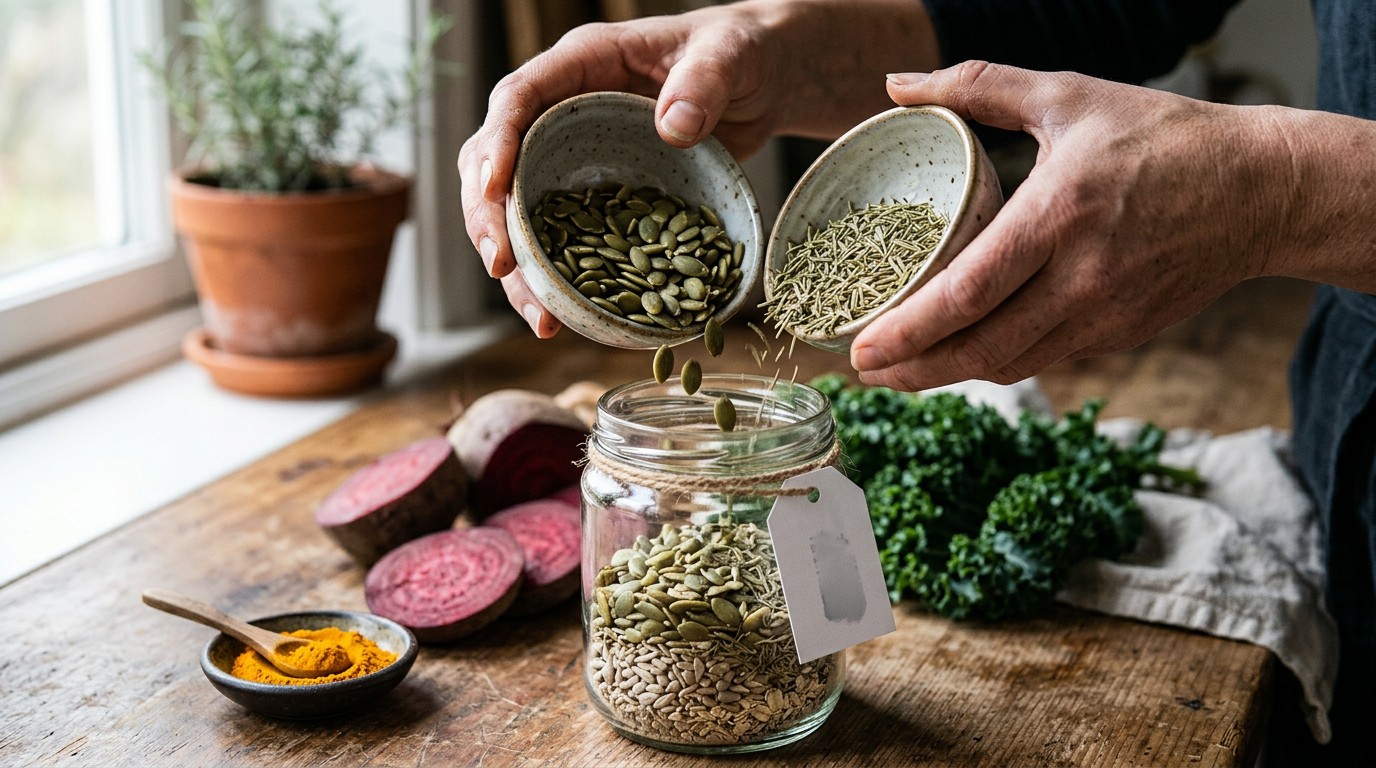
Diets matched to genetic profiles have been tested against ordinary generic advice and have not beaten it. Microbiome based plans are more promising and a long way from settled. Meanwhile the established part of the field is deeply unglamorous: fibre from a wide range of plants, fermented foods, and enough of both to matter. No swab required.
What will the software actually do for you?
Apps that read a photograph of a plate, wearables that score your recovery, coaching that arrives the moment you open the fridge. This is the part of the forecast most likely to turn up on schedule, because it is software, and software ships.
It is also the part most likely to underwhelm, because the arithmetic was never the difficult bit. Nobody eats a second dinner because they miscalculated. They eat it because it is nine in the evening and the day was long. Software that removes friction helps. Software that tells you what you already knew, in a friendlier typeface, does not.

Does it matter when you eat, and will that change?
Time restricted eating is the most researched of the timing ideas, and the results are modest and consistent. A meta-analysis of eight randomised trials covering 579 people found that adding an eating window on top of calorie restriction gave about 1.4 kg more weight loss than calorie restriction alone, with no extra benefit for blood pressure, glucose or lipids. Earlier windows beat late ones.
So it is a real effect and a small one. Worth having if a shorter window suits your life, and nowhere near the metabolic switch it is usually described as. What it mostly does is make a calorie deficit easier to hold on to, which is a respectable job and a much duller headline.
What happens to ultra processed food between now and 2030?
This is where policy is moving fastest, and the evidence underneath it is unusually clean. In an inpatient trial run at the NIH, twenty adults ate an ultra processed diet and an unprocessed one for two weeks each, with meals matched for calories offered, energy density, macronutrients, sugar, sodium and fibre. On the ultra processed diet people ate roughly 500 calories a day more and gained close to a kilogram.
Nobody in that study was told to eat more. They were handed food and they ate more of it. Expect labelling rules, advertising limits and school food standards to keep moving, and expect packaging to become extremely interested in the word natural.
What is not going to change by 2030?
This is the useful half of any forecast, because it is the half you can act on today.
- ❌ Guessing which diet suits you → ✔ Testing one on yourself for a few weeks
- ❌ Calories as the entire plan → ✔ Calories plus protein, sleep and muscle
- ❌ Cardio only → ✔ Strength work on at least two days a week
- ❌ An eating window as the strategy → ✔ An eating window as a small bonus
- ❌ Detox teas and fat burners → ✔ Food you would recognise as food
- ❌ Waiting for the 2030 breakthrough → ✔ Starting with what already works
Strength training is the item most people are still quietly skipping. UK guidance has asked for muscle strengthening activity on at least two days a week for years, alongside regular moderate activity, and the NHS sets it out plainly. It protects the lean tissue that every method of losing weight puts at risk.
The other constant is what you measure. The scale is a blunt instrument and always was, which is the argument behind weight loss versus fat loss and behind metabolic age compared with real age. By 2030 more measuring will be done on body composition, and the bathroom scale will keep being the thing everyone looks at anyway.
So what is worth doing with all of this now?
Watch the medicines, because they are the real change, and take that question to a clinician if it applies to you. Treat the sensors as curiosity rather than instruction, and the tests as entertainment until the evidence catches up with the pricing. Then put the effort into the things that already work, because the striking thing about 2030 is that they will still be working. The habits that improve insulin sensitivity have not been rewritten by any of this.
This article is general information about weight and metabolic health, not personal medical advice. Weight loss medicines, glucose monitoring and any change prompted by a symptom are matters to discuss with a qualified professional who knows your history.
Frequently asked questions
Will weight loss medicines make dieting obsolete?
No. They change how hard appetite is to manage, which is a large change, but eating patterns, protein intake and strength training still decide how much of the loss is fat rather than muscle, and what happens afterwards. They are prescription medicines, so the decision belongs with a doctor who knows your history.
Should I buy a glucose sensor if I do not have diabetes?
It is allowed and it can be interesting, but there is little evidence that it helps people with normal glucose control lose fat. A rise after eating is normal physiology rather than a warning sign. If a reading concerns you, that is a question for a doctor rather than a reason to start cutting foods.
Is a microbiome or DNA diet test worth the money?
Not yet, on current evidence. Genotype matched diets have not beaten generic advice in trials, and microbiome based plans remain promising rather than proven. The established advice, a wide range of plant fibre and some fermented food, costs nothing to follow and needs no sample.
Does eating in a shorter window beat plain calorie counting?
Barely. Pooled trial data puts the extra benefit at roughly 1.4 kg on top of calorie restriction alone, with no additional improvement in blood pressure, glucose or lipids, and earlier windows doing better than late ones. It is a small helper, not a mechanism.
Will ultra processed foods actually be regulated?
Labelling, advertising restrictions and school food standards are already moving in several countries and are likely to keep moving. What is unlikely is a ban. The realistic 2030 picture is warning labels, tighter advertising rules and a great deal of creative marketing in response.
What is the one thing most likely to still matter in 2030?
Muscle. It is the tissue every method of losing weight puts at risk, it takes deliberate work to keep, and it is the difference between weight coming off and weight coming off well. Nothing on the horizon replaces it.
Leave a Reply