The Rise of the OMAD Trend
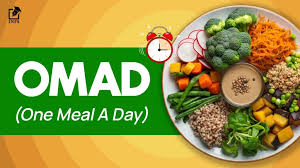
The OMAD Diet, short for One Meal A Day, has become one of the most extreme forms of intermittent fasting (IF). Its popularity exploded through social media and biohacking communities, with claims of rapid fat loss, enhanced focus, and longevity benefits.
In OMAD, a person fasts for 23 hours and consumes all their daily calories in one large meal within a 1-hour window.
This pushes the body into a prolonged fasting state — forcing it to burn stored fat for fuel, triggering ketosis, and altering several metabolic hormones like insulin, leptin, and growth hormone.
But while OMAD may sound simple, the physiological effects are complex — and not everyone benefits equally.
⚙️ How the OMAD Diet Works in the Body
During a 23-hour fast, the body transitions through several metabolic phases:
🧬 1. Glycogen Depletion (0–12 hours)
After your last meal, your body first burns glucose stored in the liver and muscles as glycogen. Once these stores are depleted, insulin levels drop.
🔥 2. Fat Burning & Ketosis (12–20 hours)
When glycogen runs low, the body shifts to fat metabolism. Fat cells release fatty acids that are converted to ketones — an alternative fuel for the brain and body. This promotes fat loss and stabilizes energy.
💪 3. Autophagy (18–24 hours)
Autophagy is a natural cellular “cleanup” process. Old or damaged cells are broken down and recycled — improving longevity, reducing inflammation, and potentially lowering the risk of chronic disease.
⚖️ Why OMAD Leads to Weight Loss
OMAD promotes fat loss mainly through:
- Calorie Restriction:
By eating once, most people naturally consume 30–50% fewer calories. - Prolonged Fasting:
Fasting boosts lipolysis (fat breakdown) and growth hormone, helping preserve muscle and burn fat. - Lower Insulin Levels:
With fewer insulin spikes, the body remains in fat-burning mode longer. - Appetite Regulation:
Extended fasting may lower ghrelin (hunger hormone) and improve leptin sensitivity (satiety hormone).
However, these benefits depend on the quality and balance of that single meal.
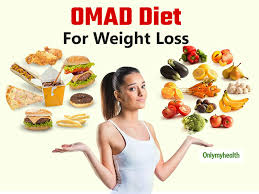
🥗 What Should an OMAD Meal Include?
Since you’re only eating once, the meal must deliver complete nutrition — not just calories.
🍴 The Ideal OMAD Plate
| Macronutrient | Role | Example Sources |
|---|---|---|
| Protein (35–40%) | Preserves muscle, promotes satiety | Chicken, fish, eggs, tofu, lentils, paneer |
| Healthy Fats (25–30%) | Supports hormones & brain function | Olive oil, avocado, nuts, seeds, ghee |
| Complex Carbs (25–30%) | Provides slow energy, fiber | Brown rice, quinoa, oats, sweet potato |
| Micronutrients | Vital for immunity & energy | Fruits, leafy greens, sprouts, yogurt |
| Hydration | Prevents dehydration during fasting | Water, herbal tea, black coffee |
✅ Sample OMAD Meal Plan (Balanced & Satisfying)
- Main Dish: Grilled salmon or paneer with olive oil sautéed vegetables
- Sides: Quinoa or sweet potato mash
- Add-ons: Green salad with avocado, nuts, lemon dressing
- Drink: Herbal tea or lemon water
- Dessert: Greek yogurt with berries and chia seeds
💪 Proven Benefits of OMAD (When Done Properly)
1. Weight Loss and Fat Reduction
- Fasting increases fat oxidation and lowers calorie intake.
- Some studies report up to 2–3 kg weight loss in 3–4 weeks when done safely.
2. Improved Insulin Sensitivity
- Lower insulin exposure reduces fat storage and may help prevent Type 2 diabetes.
3. Cellular Repair and Longevity
- Prolonged fasting enhances autophagy, potentially reducing the risk of age-related diseases.
4. Mental Clarity and Focus
- Ketone production during fasting provides a steady energy source for the brain.
5. Reduced Inflammation
- Studies suggest fasting can lower inflammatory markers like CRP and TNF-α.
6. Simplified Lifestyle
- Only one meal to plan and cook — making life simpler and more mindful.
⚠️ Possible Risks and Side Effects
While the benefits are appealing, OMAD isn’t risk-free — especially if done long-term or without medical supervision.
❌ Common Problems:
- Nutrient Deficiency:
Difficult to meet protein, calcium, iron, and vitamin B12 needs in one meal. - Fatigue and Low Energy:
Extended fasting can lead to lethargy, dizziness, and low blood sugar. - Muscle Loss:
Without enough protein, your body may break down muscle tissue. - Digestive Distress:
Eating a large meal at once can cause bloating or reflux. - Hormonal Imbalance:
Especially in women — fasting can lower estrogen and disrupt menstrual cycles. - Psychological Effects:
Restrictive eating can increase anxiety or trigger binge–restrict cycles.
👩⚕️ Dietitian’s Viewpoint: Balanced Perspective
Nutrition experts warn that OMAD is too extreme for most people.
A registered dietitian’s summary would be:
“OMAD can trigger quick weight loss, but it’s not metabolically or nutritionally sustainable for long-term use. The body thrives on consistency — not starvation.”
A better approach is cycling OMAD (2–3 days a week) or transitioning to 16:8 intermittent fasting, which allows more dietary flexibility and nutrient balance.
🧠 Science Behind Hormonal and Metabolic Shifts
| Hormone | OMAD Effect | Benefit / Concern |
|---|---|---|
| Insulin | ↓ Decreases | Improves fat burning & blood sugar control |
| Leptin | ↑ Improves sensitivity | Helps appetite control |
| Ghrelin | ↓ Decreases | Reduces hunger over time |
| Cortisol | ↑ May rise slightly | Can cause stress or poor sleep if chronic |
| Growth Hormone | ↑ Increases | Aids fat metabolism & muscle preservation |
Long-term fasting can elevate cortisol, especially in women, leading to sleep issues, stress, and water retention.
Thus, moderation and recovery are key.
👎 Who Should Avoid OMAD
Avoid or consult your doctor before trying OMAD if you are:
- Pregnant or breastfeeding
- Diabetic or hypoglycemic
- Having thyroid, PCOS, or adrenal issues
- Underweight (BMI < 18.5)
- A competitive athlete or highly active individual
- Recovering from eating disorders
🔄 Safer Alternatives to OMAD
If you want fasting benefits without extreme deprivation, try:
🕗 16:8 Method
- Fast 16 hours, eat within an 8-hour window.
- Easier for beginners; reduces hunger and maintains nutrition.
🍲 5:2 Diet
- Eat normally for 5 days, and limit calories (500–600) for 2 days.
🧘 Mediterranean Diet + Calorie Deficit
- Focus on whole grains, olive oil, and lean proteins with portion control.
- Promotes steady fat loss and supports heart health.
💡 Tips for Doing OMAD Safely
If you still wish to try OMAD for a short period (2–4 weeks), follow these dietitian-approved strategies:
- 🥛 Stay Hydrated — Drink at least 2.5–3 liters of water daily.
- 🧂 Maintain Electrolyte Balance — Add a pinch of salt or electrolyte mix to water.
- 🍗 Prioritize Protein — At least 1.2–1.5 g/kg body weight per meal.
- 🥑 Include Healthy Fats — They keep you full and stabilize hormones.
- 🍅 Load Up on Vegetables — Add fiber and antioxidants for gut health.
- 🚶 Don’t Combine OMAD with Intense Workouts — Opt for low-impact exercise like walking or yoga.
- 💤 Sleep 7–8 Hours — Sleep regulates hunger and recovery hormones.
- 📆 Cycle Your Fast — 2–3 OMAD days per week + regular eating days to prevent adaptation.
🔬 Realistic Expectations
| Duration | Expected Result | Notes |
|---|---|---|
| 1 Week | Water weight loss, mild hunger | Body adapting to fasting |
| 2–4 Weeks | 1–3 kg fat loss | Energy stabilizes, focus improves |
| >1 Month | Slower progress, risk of plateau | Nutrient deficiency possible |
🧡 Final Verdict: Is OMAD Right for You?
| Aspect | Short-Term | Long-Term |
|---|---|---|
| Weight Loss | ✅ Effective | ⚠️ Slows down after few weeks |
| Hormone Health | ⚠️ Mixed | ❌ May disrupt in women |
| Nutritional Adequacy | ⚠️ Challenging | ❌ Deficiency risk |
| Sustainability | ⚠️ Moderate | ❌ Low |
| Mental Wellbeing | ✅ Improves focus | ⚠️ May cause fatigue/stress |
👉 Conclusion:
The OMAD Diet can be an effective short-term fat loss tool, but it’s not a long-term lifestyle.
For most people, a more balanced approach like intermittent fasting (16:8) or the Mediterranean diet achieves the same metabolic benefits — with better nutrition, energy, and hormonal balance.
“Real transformation isn’t about eating less — it’s about eating right, at the right time, with the right mindset.”
Leave a Reply