rotein is the building block of life. Whether your goal is muscle gain, fat loss, or overall health, choosing the right protein source can make a big difference.
Among Indian diets, Sattu is a traditional powerhouse, while globally, Whey Protein dominates the fitness market. But which is more effective for your personal fitness goals?
Let’s break it down scientifically, culturally, and practically.
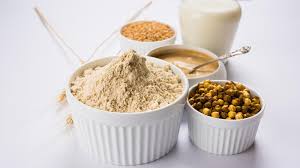
1. Understanding Sattu: The Traditional Indian Protein
Sattu is made from roasted chickpeas, barley, or other pulses, ground into a fine flour. Popular in North India, it’s often consumed as a drink, sometimes spiced with roasted cumin or lemon.
Nutritional Snapshot (per 100g Sattu):
- Protein: 20–25g (mostly plant-based)
- Carbs: 50–60g (complex carbs)
- Fat: 3–5g
- Fiber: 15–20g
- Minerals: Iron, magnesium, calcium, potassium
Key Benefits:
- Sustained Energy: Complex carbs release glucose slowly, keeping energy stable.
- Gut Health: High fiber content promotes digestion and gut microbiome balance.
- Cooling Effect: Traditionally consumed in summer to reduce body heat.
- Vegan & Natural: No additives or preservatives.
- Hormonal Support: For females, iron and magnesium help with menstrual cycles and prevent fatigue. For males, protein + minerals aid metabolism and stamina.
Digestion:
Sattu is slow-digesting, making it ideal for breakfast or pre-workout meals. It slowly releases amino acids, which is good for satiety but not optimal immediately post-exercise.
2. Understanding Whey Protein: The Modern Muscle Fuel
Whey protein is a milk-derived by-product of cheese-making. It’s popular in bodybuilding and sports nutrition for its fast-digesting, high-quality protein content.
Nutritional Snapshot (per 30g scoop Whey Protein):
- Protein: 20–25g (complete amino acid profile)
- Carbs: 1–5g
- Fat: 0.5–2g
- BCAAs: Rich in leucine, isoleucine, valine
Key Benefits:
- Fast Absorption: Reaches muscles quickly, ideal post-workout.
- Muscle Growth: BCAAs stimulate protein synthesis for faster recovery.
- Fat Loss: High protein with low carbs/fat helps preserve lean mass while losing fat.
- Convenience: Easy to mix into shakes or recipes.
- Research-Backed: Clinically shown to improve immunity, recovery, and body composition.
Digestion:
Whey is fast-digesting, which makes it perfect for post-workout recovery or quick protein supplementation, but not ideal if taken in excess on an empty stomach for long-term satiety.
3. Key Differences: Sattu vs Whey
| Feature | Sattu | Whey Protein |
|---|---|---|
| Source | Roasted pulses/barley | Milk |
| Protein Type | Plant-based, moderate essential amino acids | Complete, fast-digesting |
| Fiber | High (15–20g) | Very low |
| Carbs | Moderate to high | Very low |
| Fat | Low | Very low |
| Digestion Speed | Slow | Fast |
| Best Timing | Pre-workout, breakfast, snacks | Post-workout, quick protein boost |
| Male vs Female Benefits | Supports energy, metabolism, menstrual health | Supports muscle growth, recovery, testosterone support |
| Convenience | Needs mixing | Instant mix, portable |
| Vegan | Yes | No |
4. Protein Timing & Fitness Goals
- Muscle Gain: Whey is superior post-workout due to fast absorption and BCAAs. Men often benefit from higher leucine for muscle protein synthesis; women also benefit, especially combined with resistance training.
- Fat Loss & Satiety: Sattu’s slow-digesting carbs + protein keep you full longer, reducing unnecessary snacking. High fiber also helps regulate insulin and blood sugar.
- Endurance & Energy: Pre-workout Sattu provides sustained energy for long workouts or cardio.
- Recovery: Whey protein is optimal immediately after training; Sattu can support recovery if combined with milk or yogurt.
5. Special Considerations for Men & Women
Men:
- Whey helps maintain testosterone levels indirectly by supporting lean mass.
- Sattu helps with metabolism, iron, and energy, especially for physically active men.
Women:
- Sattu is excellent for iron, magnesium, and calcium — nutrients often depleted during menstruation.
- Whey supports lean mass preservation and prevents fatigue during workouts but may cause bloating if lactose-intolerant.
6. Combining Sattu and Whey for Optimal Results
Instead of choosing one, combining both can provide the best of both worlds:
Example Power Shake:
- 2 tbsp Sattu (30g)
- 1 scoop Whey Protein (25g)
- 200ml milk or water
- 1 tsp honey (optional)
- Ice cubes
Benefits:
- Slow + fast protein release → sustained energy + post-workout recovery
- High fiber + BCAAs → muscle growth + fat control
- Rich minerals → metabolism, stamina, and hormonal support
7. Practical Tips for Using Sattu and Whey
- Sattu:
- Mix with water, milk, or buttermilk.
- Add lemon and roasted cumin for better digestion.
- Ideal for breakfast or pre-workout energy.
- Whey Protein:
- Mix with water, milk, or smoothies immediately after workouts.
- Avoid taking too much at once; 20–30g post-workout is sufficient.
- Choose unflavored or clean whey for best results.
8. Final Verdict
| Goal | Best Choice | Why |
|---|---|---|
| Muscle Gain | Whey Protein | Fast absorption, complete amino acids, rich BCAAs |
| Fat Loss / Satiety | Sattu | Slow-digesting, high fiber, keeps you full |
| Overall Health | Sattu | Natural, mineral-rich, supports digestion |
| Fitness Convenience | Whey Protein | Ready-to-use, portable, supports recovery |
| Balanced Approach | Combination | Covers energy, recovery, digestion, and hormonal support |
Bottom Line:
- Sattu is perfect for energy, satiety, and overall wellness — ideal for both men and women seeking long-term health.
- Whey Protein is optimal for muscle building, recovery, and fitness enthusiasts needing precise protein intake.
- Combining both strategically is often the most effective approach for fat loss, muscle gain, and overall fitness.
Leave a Reply