Pilates is more than just an exercise method — it is a mind–body movement system that builds strength, flexibility, balance, and body awareness. Whether you’re trying to lose weight, improve posture, recover from injury, or simply tone your core, Pilates offers a safe, effective, and sustainable solution.
1. What Is Pilates?
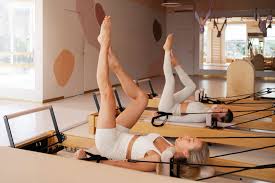
Pilates is a low-impact, controlled, full-body exercise system designed to strengthen the body while improving mobility, posture, and breath control.
Unlike traditional workouts that rely on heavy weights or fast repetitions, Pilates focuses on:
- Precision
- Alignment
- Core activation
- Breathing
- Mind–body connection
It trains the deep stabilizing muscles that most workouts ignore — pelvic floor, transverse abdominis, spine support muscles, and deep hip stabilizers.
These deeper muscles are key for:
- A toned stomach
- A pain-free back
- Better posture
- Leaner lines and more definition
- Balance and joint stability
2. History of Pilates
Joseph Pilates, a German physical trainer, developed Pilates in the early 20th century while working with injured soldiers and athletes.
His philosophy combined elements of:
- Yoga
- Gymnastics
- Martial arts
- Dance
- Breathwork
He believed that modern lifestyle created poor posture, shallow breathing, and weak core muscles, leading to pain and dysfunction.
Pilates created over 500 original exercises and designed equipment like the Reformer, Cadillac, and Wunda Chair.
Today, Pilates is globally recognized for its therapeutic and transformative power.
3. Principles of Pilates (The Foundation)
Every Pilates movement is built on these core principles:
1. Concentration
Full attention on each movement.
2. Control
Muscles work with control, not momentum.
3. Centering
Every movement initiates from the “powerhouse” — the deep core.
4. Breathing
Deep, mindful breathing enhances core engagement and relaxation.
5. Precision
Each exercise has a purpose; alignment is key.
6. Flow
Movements are smooth and fluid, not jerky or rushed.
These principles make Pilates effective even when movements look simple.
4. Why Pilates Works (Science Explained)
Pilates activates the deep stabilizing muscles around the spine, pelvis, and rib cage. These muscles are often called the local stabilizers.
Research shows:
- Weak stabilizers cause back pain, poor posture, pelvic imbalance.
- Strengthening them improves spinal health and overall movement efficiency.
Pilates also uses the Eccentric muscle contraction principle — the muscle lengthens under tension.
This creates:
- Strong, lean muscles
- Defined shape without bulk
- Greater flexibility
The combination of core activation + eccentric control makes Pilates both therapeutic and toning.
5. Benefits of Pilates
1. Strong, Lean Core
Pilates trains the deep abdominal muscles responsible for a flat stomach and stable spine.
2. Better Posture
It corrects rounded shoulders, tech neck, pelvic tilt, and slouching.
3. Increased Flexibility
Slow, controlled stretches lengthen tight tissues safely.
4. Reduced Back Pain
By strengthening spinal support muscles.
5. Toned Muscles Without Bulk
Pilates sculpts arms, legs, glutes, and core with long, lean definition.
6. Improved Balance
Through neuromuscular training.
7. Boosted Metabolism
Lean muscle increases resting calorie burn.
8. Mental Calm & Stress Reduction
Breathwork stimulates the parasympathetic nervous system.
9. Injury Prevention
Strong stabilizer muscles protect joints.
10. Pelvic Floor Strength
Great for women postpartum, PCOS, or hormonal imbalance.
6. Types of Pilates
1. Mat Pilates
Uses bodyweight. Great for home workouts.
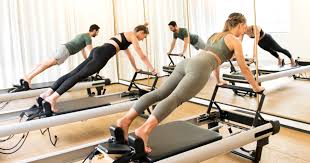
2. Reformer Pilates
Uses a machine with springs — increases resistance and precision.
3. Classical Pilates
Follows Joseph Pilates’ original sequence.
4. Contemporary Pilates
Modern version with physiotherapy principles.
5. Clinical Pilates
Used for rehabilitation and injury recovery.
7. Mat vs Reformer Pilates
| Feature | Mat Pilates | Reformer Pilates |
|---|---|---|
| Equipment | Mat only | Machine with springs |
| Difficulty | Beginner-friendly | Can be more intense |
| Strength | Builds foundational strength | Deep core + full-body toning |
| Flexibility | Good | Excellent |
| Cost | Free (home workout) | Studio-based |
Both are highly effective — Mat for beginners, Reformer for deeper toning.
8. Pilates for Weight Loss
Pilates may look gentle, but it burns calories and builds lean muscle — which increases metabolism.
How Pilates helps fat loss:
- Increases muscle tone
- Boosts metabolism (afterburn effect)
- Reduces cortisol (stress hormone) — lower cortisol helps reduce belly fat
- Improves insulin sensitivity
- Better posture = better workout performance
Reformer Pilates burns 250–400 calories per session; combined with walking or strength training, results are excellent.
9. Pilates for Core Strength
Pilates is the gold standard for core conditioning.
It trains:
- Transverse abdominis
- Rectus abdominis
- Obliques
- Pelvic floor
- Multifidus (deep back muscles)
- Diaphragm
This creates a 360° strong, functional core — not just visible abs.
10. Pilates for Back Pain
Pilates is one of the best corrective methods for:
- Lower back pain
- Sciatica
- Tight hips
- Bad posture
- Stiff spine
It strengthens spinal stabilizers and improves pelvic alignment.
11. Pilates for Women: Hormones, PCOS & Metabolism
Pilates is particularly effective for women due to its impact on:
Hormones
Reduces stress hormones and improves mood.
PCOS
Helps improve insulin response, reduces inflammation, supports weight management.
Thyroid
Low-impact movements reduce fatigue but still boost metabolism.
Pelvic floor
Strengthens internal support muscles — essential postpartum.
Menstrual health
Improves blood flow to pelvic and abdominal region.
12. Beginner-Friendly Pilates Exercises
1. The Hundred
Warms up the core.
2. Roll-Up
Strengthens abs and improves spinal mobility.
3. Single-Leg Stretch
Targets lower abs.
4. Glute Bridge
Strengthens glutes + stabilizes lower back.
5. Swimming
Improves back strength.
6. Cat-Cow
Relieves stiffness.
(If you want illustrations, I can generate images too.)
13. Intermediate & Advanced Movements
- Double-leg stretch
- Teaser
- Scissors
- Side kick series
- Plank-to-pike
- Reformer footwork
- Reformer long stretch
- Chair step-ups
14. How Many Calories Pilates Burns
Mat Pilates: 150–250 calories
Reformer Pilates: 250–400 calories
Advanced classes: 450+ calories
But the real transformation comes from muscle toning + improved posture + daily calorie burn increase.
15. How Often Should You Do Pilates?
- Beginners: 2–3 times per week
- Toning/Fat loss: 3–5 times per week
- Rehabilitation: Daily short sessions
Consistency matters more than intensity.
16. 30-Minute Pilates Workout Plan
Warm-up (3 mins)
Breathing + spine mobility.
Core (10 mins)
Hundred
Roll-ups
Single-leg stretch
Lower Body (7 mins)
Glute bridge
Side leg series
Upper Body (5 mins)
Plank variations
Cool Down (5 mins)
Stretch + breathwork
17. Tips for Faster Results
- Focus on form
- Engage your core throughout
- Don’t rush the movement
- Wear fitted clothing so alignment is visible
- Combine Pilates with walking or light strength training
- Hydrate well
- Be consistent
18. Common Myths & Mistakes
Myth 1: Pilates is too easy
Advanced Pilates is extremely challenging.
Myth 2: Only women do Pilates
Athletes worldwide use Pilates for stability.
Myth 3: Pilates replaces weight training
Both complement each other; Pilates builds foundation.
Mistakes
- Breathing incorrectly
- Rushing movements
- Overarching the back
- Not engaging core
19. Final Thoughts
Pilates is one of the most effective, balanced, and sustainable workouts for the modern lifestyle. It trains the entire body — muscles, joints, breath, and mind — making it ideal for anyone looking for long-term health and fitness.
Whether your goal is strength, posture correction, weight loss, flexibility, or pain relief, Pilates provides a gentle yet powerful path to total-body transformation.
Leave a Reply