Walk into any supplement store or browse fitness content online, and you’ll quickly see L-carnitine promoted as a fat-melting miracle. It’s often sold as the key to unlocking stubborn fat, boosting metabolism, and supercharging workouts.
But how much of this is real science — and how much is marketing hype?
Let’s break down what L-carnitine actually does in your body, where it helps, and where expectations need a reality check.
🧬 What Is L-Carnitine?
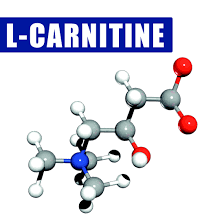
L-carnitine is a naturally occurring compound that your body makes from the amino acids lysine and methionine. It’s stored mainly in:
- Skeletal muscles
- The heart
- The brain
You also get L-carnitine from food, especially:
- Red meat (richest source)
- Fish
- Poultry
- Dairy
Its most important job is linked to energy production.
The Key Role: Turning Fat Into Fuel
L-carnitine acts like a transport system for fat.
It carries long-chain fatty acids into your cells’ mitochondria — the “power plants” — where fat is burned to produce energy (ATP).
Without enough L-carnitine, fat can’t efficiently enter the mitochondria to be used as fuel. This role in fat metabolism is the main reason L-carnitine became famous as a fat-burning supplement.
But here’s the crucial detail:
1.L-carnitine helps the process of fat burning
2. It does not automatically increase fat burning on its own
Your body only burns significant fat when it needs energy, such as during exercise or a calorie deficit.
Real Benefits of L-Carnitine
While it’s not a magic weight-loss pill, L-carnitine does have legitimate, science-supported benefits.
1. Exercise Performance & Recovery
This is one of its strongest areas.
Studies suggest L-carnitine may help:
- Reduce muscle soreness
- Decrease muscle damage after workouts
- Improve blood flow and oxygen delivery to muscles
- Reduce fatigue
This can help you train harder and recover faster, which indirectly supports fat loss over time.
2. Energy Support
Because it plays a role in energy production, some people experience:
- Better physical stamina
- Reduced feelings of fatigue
This is often more noticeable in:
- Older adults
- People with low natural carnitine levels
- Those recovering from illness or chronic fatigue
For young, healthy individuals, the effect is usually mild but supportive.
3. Heart Health
The heart uses fatty acids as a major fuel source. L-carnitine may help support:
- Heart energy metabolism
- Circulation
- Cardiovascular function (in certain medical conditions under supervision)
This is one reason it’s sometimes used in clinical settings.
4. Brain Function (Specific Form)
A type called Acetyl-L-Carnitine (ALCAR) can cross into the brain and may support:
- Mental clarity
- Focus
- Nerve health
- Mood balance
This makes it popular not just in fitness, but also in cognitive health supplements.
Common Myths About L-Carnitine
Let’s clear up the biggest misunderstandings.
Myth 1: “L-Carnitine Melts Fat Without Effort”
Truth: It doesn’t cause fat loss unless you’re also:
- In a calorie deficit
- Physically active
It supports fat metabolism, but it doesn’t force your body to burn stored fat while you’re sedentary.
Myth 2: “It Targets Belly Fat”
No supplement can choose where your body loses fat. Fat loss happens system-wide, based on genetics and hormones — not where a supplement “acts.”
Myth 3: “More Carnitine = Faster Weight Loss”
In healthy people, muscle carnitine levels are already adequate. Taking more doesn’t automatically push more fat into the fat-burning pathway.
So… Does L-Carnitine Help With Weight Loss?
Yes — but modestly and indirectly.
You may see small benefits if:
- You exercise regularly
- You’re eating in a calorie deficit
- You struggle with workout fatigue
- Your natural levels are on the lower side
Its biggest value is helping you feel less tired and recover better, which makes it easier to stay consistent with exercise — and consistency is what truly drives fat loss.
Think of L-carnitine as a supporting actor, not the star of the show.
Different Forms Matter
Not all L-carnitine supplements do the same thing.
| Form | Best For |
|---|---|
| L-Carnitine L-Tartrate | Exercise performance & recovery |
| Acetyl-L-Carnitine (ALCAR) | Brain function & mental energy |
| Propionyl-L-Carnitine | Circulation & heart support |
For fitness and workouts, L-carnitine L-tartrate is most commonly used.
Side Effects & Safety
L-carnitine is generally safe in moderate doses (1,000–3,000 mg/day), but possible side effects include:
- Nausea
- Stomach cramps
- Diarrhea
- A fishy body odor (due to a compound called TMAO)
People with thyroid disorders, kidney disease, or seizure history should only use it under medical guidance.
The Final Truth
L-carnitine is not a scam, but it is overhyped.
What it really is:
✔ A compound that helps transport fat for energy
✔ A mild supporter of exercise performance
✔ Helpful for recovery and endurance
✔ Potentially beneficial for people with low levels or fatigue
What it is not:
- A magic fat burner
- A belly-fat eraser
- A replacement for diet and exercise
If your goal is fat loss, your biggest results will always come from:
Nutrition
✔ Strength training
✔Daily movement
✔ Good sleep
L-carnitine can help a little along the way — but it works best when your lifestyle is already doing the heavy lifting.
Leave a Reply