Proper hydration is one of the most overlooked aspects of fitness, yet it’s crucial for peak performance, endurance, and overall health. Water regulates body temperature, transports nutrients, lubricates joints, and helps prevent fatigue. Whether you’re hitting the gym, going for a run, or doing a home workout, staying hydrated can make the difference between a great session and a sluggish one.
In this article, we’ll break down a complete hydration schedule—before, during, and after your workouts—so you can train smarter and recover faster.
1. Pre-Workout Hydration: Start Strong
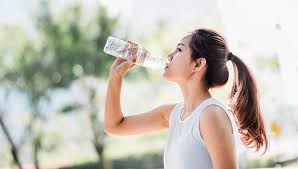
Hydrating before exercise ensures your body has enough fluid to handle the demands of your workout. Even mild dehydration can reduce strength, endurance, and focus.
Guidelines:
- 2–3 hours before workout: Drink 400–600 ml (14–20 oz) of water. This gives your body time to absorb the fluids and helps prevent discomfort.
- 20–30 minutes before workout: Drink an additional 150–250 ml (5–8 oz) of water or a light electrolyte drink.
Tips:
- Avoid drinking large amounts just before exercising—it can lead to bloating.
- If you’ve had a heavy meal before working out, water helps digestion and reduces sluggishness.
2. During Workout Hydration: Maintain Performance
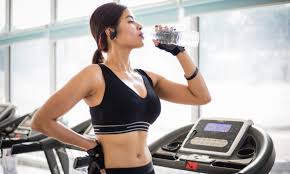
During exercise, your body loses water and electrolytes through sweat. Staying hydrated helps maintain energy, prevents cramps, and keeps your body temperature regulated.
Hydration Guidelines Based on Workout Type:
| Workout Type | Duration | Fluid Type | Amount | Frequency |
|---|---|---|---|---|
| Light | <60 min | Water | 150–200 ml (5–7 oz) | Every 15–20 min |
| Moderate | 60–90 min | Water or light electrolyte drink | 200–250 ml (7–8 oz) | Every 15–20 min |
| Intense/Endurance | >90 min | Electrolyte drink + Water | 200–250 ml (7–8 oz) | Every 15 min |
Tips:
- Take small sips regularly rather than gulping large amounts.
- For workouts over 60 minutes, electrolyte drinks help replace sodium, potassium, and magnesium lost in sweat.
- Adjust based on temperature, humidity, and your personal sweat rate.
3. Post-Workout Hydration: Recover Right
After exercise, it’s important to replace lost fluids and electrolytes to promote recovery and prevent dehydration.
Steps to Rehydrate:
- Weigh yourself before and after your workout. For every 1 kg lost, drink ~1.5 liters of water.
- Include electrolytes if your session was long or intense.
- Eat water-rich foods like fruits (watermelon, oranges) and vegetables.
Post-Workout Drink Ideas:
- Water with a pinch of salt and lemon
- Coconut water
- Homemade electrolyte drink (water + pinch of salt + sugar + lemon)
4. Factors That Affect Hydration Needs
Hydration needs vary depending on:
- Exercise intensity & duration: Higher intensity and longer workouts require more fluids.
- Environment: Hot or humid conditions increase sweat loss; cold climates slightly reduce it.
- Body weight: Heavier individuals generally require more water.
- Sweat rate: Some people naturally sweat more and need extra fluids.
Signs of Dehydration:
- Dark yellow urine
- Fatigue or dizziness
- Dry mouth or lips
- Muscle cramps
5. Quick Reference Hydration Schedule
| Stage | Timing | Fluid Type | Amount |
|---|---|---|---|
| Pre-Workout | 2–3 hours | Water | 400–600 ml |
| Pre-Workout | 20–30 min | Water or light electrolyte drink | 150–250 ml |
| During Workout | Every 15–20 min | Water / Electrolyte drink | 150–250 ml |
| Post-Workout | Immediately | Water / Electrolyte drink | 1.5x fluid lost |
Conclusion
Staying properly hydrated before, during, and after workouts is essential for performance, endurance, and recovery. Following a structured hydration schedule ensures that your body performs at its best, reduces the risk of cramps and fatigue, and speeds up recovery. Remember, every body is different, so listen to your thirst cues, adjust for your environment, and keep fluids accessible during your workout.
Hydrate smart, train strong, and see the difference in your performance!
Leave a Reply