Anabolic steroids do build muscle, which is exactly why the rest gets left out. They also switch off your own hormone production, push cholesterol the wrong way, thicken the heart wall and, for a sizeable minority, become genuinely hard to stop. How much damage that adds up to depends on dose, duration and whether anyone is monitoring you.
What actually counts as a steroid?
Two unrelated drug families share the word, and confusing them is the single most common mistake in this conversation. Corticosteroids are prescribed anti inflammatory medicines. The NHS lists them for asthma, eczema, hay fever, rheumatoid arthritis, Crohn’s disease and cancer, among others, in its guide to steroid tablets. They are not performance drugs and nobody takes them to look better.
Anabolic androgenic steroids are synthetic relatives of testosterone, taken to add muscle and strength. The NHS is blunt about the distinction, stating that anabolic steroids are not the same as corticosteroids. When someone says they are “on gear” or “on a cycle”, this is the family they mean.
For anyone reading this while trying to manage their weight, the difference is not academic. The two families move body composition in opposite directions.
| Corticosteroids | Anabolic androgenic steroids | |
|---|---|---|
| What they are | Synthetic versions of cortisol, an anti inflammatory hormone | Synthetic versions of testosterone, a muscle building hormone |
| Why people take them | Prescribed for inflammation, autoimmune conditions and allergy | Mostly self administered for muscle, strength and appearance |
| Usual effect on the scale | Long courses tend to raise appetite and fluid retention, so weight often goes up | Lean mass and water go up, so weight usually rises even when fat does not |
| Main long term risks | Raised blood sugar, thinning bones, mood changes, adrenal suppression | Heart and artery damage, liver injury, shutdown of natural hormone production, infertility |
| Stopping | Doses are tapered under medical supervision | Often stopped abruptly, which is where the crash comes from |
Why do people start, and what do steroids really deliver?
It is worth being honest about the appeal, because pretending steroids do not work is why warnings get ignored. They do work on lean mass. The National Institute on Drug Abuse states plainly that anabolic steroids increase lean muscle mass when used alongside weight training. The physiques on your phone are not always fake. Some of them are simply not achievable without drugs, which is a different problem.
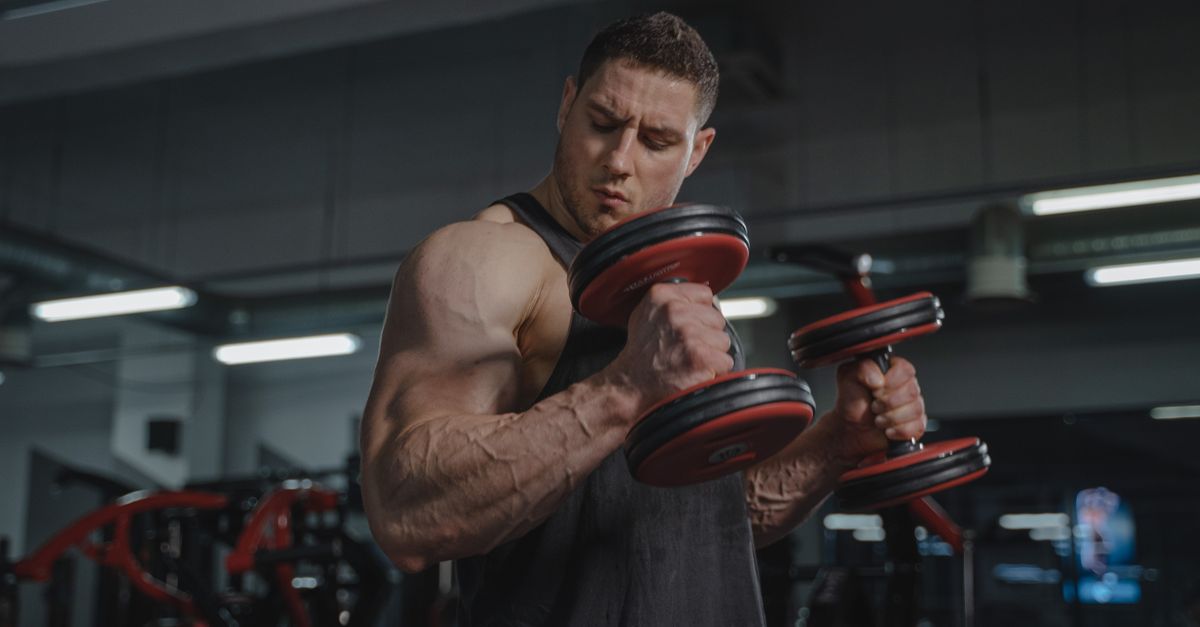
What the photograph leaves out is the rest of the arrangement. The bloodwork. The drugs taken alongside to manage the side effects of the first drug. The hormone replacement that may become permanent. The years afterwards. People rarely start because they are vain. They start because they have been comparing an unmedicated body to a medicated one for long enough that the unmedicated one looks like failure.
What happens to your own hormones once you stop?
Your body reads circulating androgen and adjusts its own output to match. Flood the system from outside and the internal production line goes quiet. Stop the outside supply and there is a gap before it restarts, which is the period most users are least prepared for.
The StatPearls review of anabolic steroid use disorder puts rough timelines on it. In people who used for under a year, testosterone typically returns to baseline within six months of stopping. In people with chronic exposure, prolonged hypogonadism and persistently low testosterone are common. Sperm counts generally recover somewhere between four months and a year, and older men take longer.
The visible effects differ by sex. The NHS lists reduced sperm count, infertility, shrunken testicles, erectile dysfunction, hair loss and breast development in men. In women it lists excess facial and body hair, reduced breast size, clitoral swelling, a deepened voice, menstrual irregularity and severe acne. Some of those, voice change and hair growth in particular, do not reverse when the drugs stop.
How much does steroid use cost your heart?
This is the risk that kills people, and it is the one with no warning sign you can see. The NHS lists heart attack, stroke, high blood pressure, deep vein thrombosis and high cholesterol among the effects of anabolic steroid misuse. The NIDA page adds blood clots and artery damage to the same list.
The mechanism is not mysterious. Long term use raises low density lipoprotein and lowers high density lipoprotein, which is the lipid profile you would design if you wanted to accelerate atherosclerosis. On top of that, cardiac imaging of long term users repeatedly shows a thickened left ventricular wall and reduced pumping efficiency. A heart that has been asked to grow along with everything else does not grow in a useful way.

What do steroids do to the liver and kidneys?
Oral steroids are the harder problem, because the compounds are chemically altered to survive the first pass through the liver and that alteration is what makes them hepatotoxic. NIDA names liver tumours and peliosis hepatis, a condition in which blood filled cysts form in the liver tissue. The NHS lists liver or kidney problems or failure among the risks of misuse.
Kidney strain tends to be indirect: sustained high blood pressure, dehydration and the workload of processing a much larger muscle mass. It is slow, quiet, and usually picked up on a blood test rather than felt.
Do steroids help you lose fat?
No, and this is where the marketing is at its most dishonest. Anabolic steroids change the ratio of muscle to fat, mostly by adding to the muscle side. They do not create an energy deficit, and energy balance is still what governs how much fat you carry. Somebody who eats in a surplus on a cycle gains fat on a cycle.
The reason it looks otherwise is that the same body weight distributed over more muscle reads as leaner. Extra muscle does raise resting energy expenditure, but modestly, and that gain is exactly what disappears first when the drugs stop. Several compounds also drive water retention and appetite up, which makes the scale unreadable while you are on them.
If your goal is fat loss, steroids are an expensive, dangerous way to buy a change in appearance that you then have to keep buying.
Why is stopping harder than starting?
The NHS states directly that anabolic steroids are addictive, and lists withdrawal symptoms including depression, anxiety, difficulty concentrating, insomnia, reduced sex drive, extreme tiredness, headaches and muscle and joint pain. NIDA reports that about 32 percent of people who misuse anabolic steroids become dependent.
Physical withdrawal is only part of it. Coming off means watching a body you worked for shrink, while your hormones are still flat and your mood is at its lowest. That combination pulls a lot of people straight back into another cycle. The depression is the part clinicians take most seriously, because it can be severe and it arrives exactly when someone feels least able to ask for help.
Is a steroid ever safe?
Prescribed corticosteroids are medicines with a real risk profile, used because the condition they treat is worse than the side effects. That calculation is made by a doctor who monitors you, and the NHS is explicit that you should not stop taking a steroid medicine without talking to your doctor first, because long courses need tapering.
Testosterone prescribed for diagnosed hypogonadism sits in a similar place: a treatment for a measured deficiency, with bloods checked on a schedule. What separates that from misuse is not the molecule. It is the diagnosis, the supervision and the fact that somebody is looking at your liver enzymes and haematocrit before they become a problem.
Cosmetic use has no established safe dose. Risk scales with how much and how long, and nobody has defined a threshold below which the cardiovascular and hormonal effects stop happening.
What actually moves the needle without them?
Nothing on this list will match the speed of a cycle, and claiming otherwise would be the same trick in the opposite direction. What these do is compound, and they do not have to be stopped.
- Progressive resistance training. Adding load or reps over months, tracked, rather than training hard without direction.
- Enough protein, spread across the day. Total daily intake matters more than timing, but distribution helps.
- Sleep. Short sleep blunts recovery and appetite regulation at the same time, which is a bad combination for anyone chasing body composition.
- Understanding what the evidence behind creatine does and does not say. It is the most heavily studied supplement in this area, which is not the same thing as being necessary. We went through the research in our guide to what creatine actually does.
- Patience with the timeline. Natural rates of muscle gain are slow enough that a year of consistent work looks unimpressive at month three. That is normal, not evidence you need a drug.
If you are already using and want to stop, or you want bloods checked while you are on, clinicians see this often and are far better placed to manage the come down than a forum is. That is worth saying plainly, because fear of being judged is the main reason people try to handle it alone.
Frequently asked questions
Are anabolic steroids the same as the steroid inhaler my doctor prescribed?
No. Inhalers and steroid tablets contain corticosteroids, which reduce inflammation. Anabolic steroids are synthetic testosterone relatives taken for muscle and strength. The NHS makes the point that the two are not the same drug family, despite sharing a name.
How long does natural testosterone take to recover after stopping?
It depends heavily on how long someone used. Reviews of anabolic steroid use disorder report that people who used for under a year usually return to baseline testosterone within six months, while chronic users frequently have prolonged low testosterone. Sperm counts commonly take four months to a year, and longer in older men.
Do anabolic steroids burn fat?
They do not create fat loss. They add lean mass, which changes how a given body weight looks, but energy balance still determines fat. Several compounds also increase appetite and water retention, which makes body weight a poor guide to what is actually happening.
Is there a dose of anabolic steroids that is considered safe for appearance?
No safe threshold has been established for cosmetic use. Risk rises with dose and duration, and the cardiovascular and hormonal effects do not switch off below some particular amount. Medical use is different because it involves a diagnosis and regular monitoring, not because the drug is gentler.
Can women use anabolic steroids without the masculinising effects?
No reliable way to avoid them exists. The NHS lists deepened voice, excess facial and body hair, reduced breast size, clitoral swelling and menstrual disruption. Voice change and hair growth in particular tend to persist after the drugs are stopped.
Do prescribed steroid tablets cause weight gain?
Longer courses of corticosteroid tablets commonly raise appetite and cause fluid retention, and weight often rises as a result. This is a known trade off of the treatment rather than a sign anything has gone wrong. The NHS is clear that you should never stop a prescribed steroid without speaking to your doctor, because long courses need to be tapered.
This article is general information, not medical advice, and is not a substitute for care from a qualified healthcare professional. Speak to your doctor about your own situation.
Leave a Reply