Hormones run the whole show and most people don’t even realize it until something feels “off.”
Mood swings, weight gain, fatigue, acne, irregular periods, poor sleep… hormones are usually in the background pulling the strings.
Here are 4 simple but powerful ways to help balance your hormones naturally, explained in a way that actually makes sense for real life.
1. Fix Your Sleep First (It’s More Powerful Than Diet)

If hormones had a “reset button,” it would be sleep.
When you don’t sleep well:
- Cortisol (stress hormone) rises
- Insulin balance worsens
- Hunger hormones (ghrelin & leptin) get confused
- Reproductive hormones can get disrupted
This is why poor sleep can lead to weight gain, sugar cravings, irregular cycles, and low energy.
What to do:
✔ Aim for 7–8 hours of sleep
✔ Sleep before 11 PM — your body repairs hormones best between 10 PM–2 AM
✔ Keep lights dim 1 hour before bed
✔ Avoid scrolling in bed (blue light blocks melatonin — your sleep hormone)
💡 Why it works: Deep sleep is when your body regulates cortisol, growth hormone, insulin sensitivity, and reproductive hormones like estrogen and progesterone.
Sleep is not laziness. It’s hormone therapy — for free.
2. Eat to Stabilize Blood Sugar (Your Hormones Love Steady Energy)
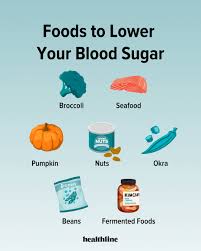
Hormones hate sugar spikes. Every time your blood sugar shoots up and crashes, insulin goes into emergency mode — and that affects every other hormone, including:
- Estrogen
- Progesterone
- Testosterone
- Thyroid hormones
Unstable blood sugar = more fat storage, cravings, mood swings, and cycle issues.
Hormone-friendly eating formula:
Instead of eating carbs alone, pair everything:
Protein + Fiber + Healthy Fat
Examples:
- Roti + dal + sabzi + ghee
- Rice + paneer/chicken + vegetables
- Fruit + nuts
- Idli + sambar (protein + fiber combo)
What to reduce (not eliminate):
✔ Sugary drinks
✔ White bread/biscuits
✔ Eating carbs alone on an empty stomach
Why it works: Balanced meals keep insulin stable, which helps regulate ovarian hormones, reduces belly fat storage, and supports thyroid health.
Stable blood sugar = stable hormones.
3. Lower Stress (High Cortisol Blocks Other Hormones)
Your body cannot tell the difference between:
- A real danger
- Work stress
- Emotional stress
- Overthinking
It reacts the same way: releasing cortisol.
When cortisol stays high for too long, it can:
- Block ovulation
- Disrupt periods
- Increase belly fat
- Cause hair fall
- Disturb thyroid function
Easy daily stress-lowering habits:
✔ 10–15 min slow walking (especially after meals)
✔ Deep breathing: inhale 4 sec, exhale 6 sec × 5 minutes
✔ Sunlight in the morning (regulates cortisol rhythm)
✔ Talking your feelings out instead of holding them in
Why it works: When cortisol drops, your body feels “safe” again — and safety is required for balanced reproductive, thyroid, and metabolic hormones.
Your body balances hormones better when it doesn’t feel like it’s fighting a war every day.
4. Move Your Body — But Don’t Overstress It
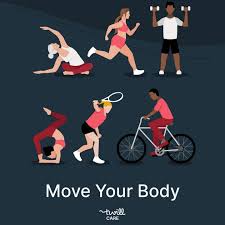
Exercise is medicine for hormones — but too much intense exercise can backfire, especially for women.
The goal is hormone-supportive movement, not punishment workouts.
Best types of hormone-friendly movement:
✔ Strength training (2–4x/week)
✔ Brisk walking
✔ Yoga or stretching
✔ Light cycling
What helps hormones specifically:
- Builds muscle → improves insulin sensitivity
- Reduces stress → lowers cortisol
- Supports ovulation and thyroid function
- Improves mood hormones (serotonin, dopamine)
What to avoid if hormones are already imbalanced:
✔ Over-exercising daily without rest
✔ Long intense cardio when you’re already exhausted
✔ Exercising with very little food
Why it works: Muscle is like a sponge for blood sugar. More muscle = better insulin balance = better reproductive and metabolic hormones.
🌸 Bonus: Gut Health = Hormone Health
Your gut bacteria help process and remove used estrogen from the body. Poor digestion or constipation can cause hormone recycling, leading to:
- PMS
- Bloating
- Acne
- Heavy periods
Simple gut-support habits:
✔ Drink enough water
✔ Eat fiber daily (vegetables, fruits, seeds)
✔ Include curd or fermented foods
✔ Don’t ignore the urge to use the washroom
A happy gut helps keep estrogen balanced.
The Big Picture
Hormone balance doesn’t come from one pill or one “superfood.”
It comes from daily signals you send your body:
| Signal | Message Your Body Receives |
|---|---|
| Good sleep | “You are safe, repair hormones.” |
| Balanced meals | “Energy is stable, no need to store fat.” |
| Low stress | “It’s safe to ovulate and regulate cycles.” |
| Gentle exercise | “Metabolism is strong and responsive.” |
Small daily habits → powerful hormonal shifts over time.
Leave a Reply