20 Science-Backed Habits That Boost Insulin Sensitivity Naturally
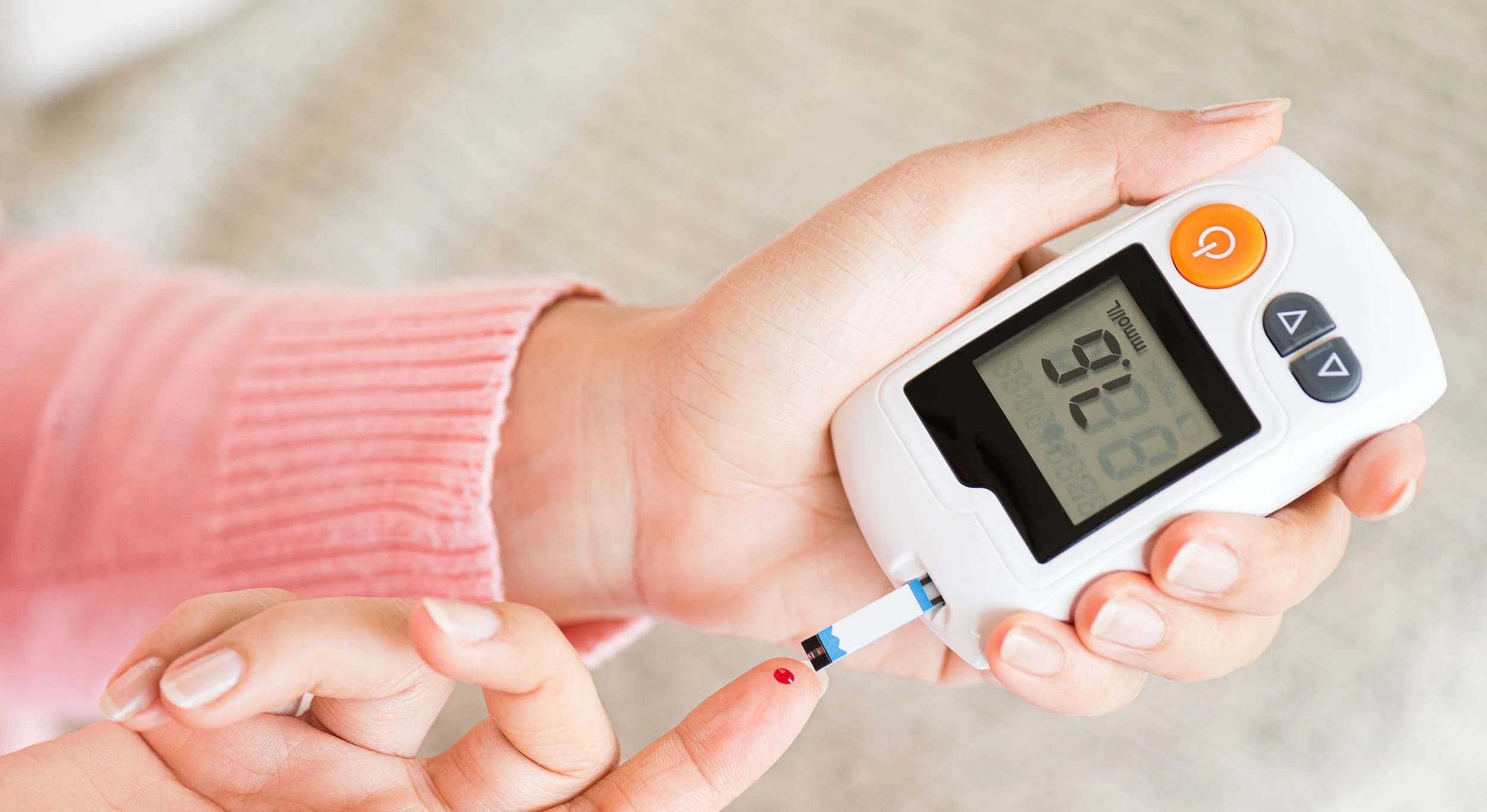
🔍 What Is Insulin Sensitivity?
Insulin is the hormone that moves glucose (sugar) from your blood into your cells for energy.
When your body is insulin-sensitive, even small amounts of insulin efficiently lower your blood sugar.
When you’re insulin-resistant, your cells stop responding — forcing your pancreas to release more insulin, which over time causes:
- Belly fat accumulation
- Sugar cravings and energy crashes
- Hormonal imbalance (especially in PCOS)
- Higher risk of diabetes and metabolic disorders
The great news? You can retrain your cells to respond better — through diet, movement, and a few smart lifestyle tweaks.
🥦 1. Eat Balanced Meals (Protein + Fiber + Fat)
Balanced meals slow down glucose absorption and reduce insulin spikes.
Science says: Balanced macronutrients can reduce post-meal glucose spikes by 30% (American Journal of Clinical Nutrition).
✅ Tips to Apply:
- Build meals with lean protein (paneer, eggs, fish), fiber (vegetables, dal), and healthy fats (avocado, nuts).
- Avoid eating carbs alone.
🌾 2. Choose Low-Glycemic, Whole Carbohydrates
Whole carbs digest slowly and keep insulin stable.
Science says: Whole-grain eaters have 25% higher insulin sensitivity (Harvard Public Health).
✅ Tips:
- Replace white rice with millets, quinoa, or brown rice.
- Limit sugar, maida, and bakery foods.
🍋 3. Add Probiotic and Fermented Foods
Your gut microbes influence insulin and inflammation.
Science says: Probiotics improved glucose tolerance in 6 weeks (Diabetes Care).
✅ Tips:
- Add curd, kefir, or fermented buttermilk daily.
- Add prebiotics: onions, garlic, bananas.
🍓 4. Boost Antioxidant Intake
Antioxidants protect insulin receptors from oxidative stress.
Science says: Polyphenols improve glucose uptake by 20%.
✅ Tips:
- Eat colorful veggies and fruits daily (spinach, berries, beets).
- Drink green tea or black coffee.
🥑 5. Include Omega-3 Fatty Acids
Omega-3s fight inflammation that blocks insulin’s action.
✅ Tips:
- Eat fatty fish or take omega-3 capsules.
- For vegetarians: flaxseed, chia, walnuts.
🕐 6. Keep Meal Timing Consistent
Irregular eating confuses insulin rhythm.
Science says: Time-restricted eating improves insulin by 20–30% (Cell Metabolism).
✅ Tips:
- Eat within a 10–12 hour window (e.g., 8 am–8 pm).
- Avoid late-night snacking.
🍵 7. Ditch Added Sugars
Added sugar overstimulates insulin.
✅ Tips:
- Replace sweet drinks with lemon water or herbal teas.
- Read labels — sugar hides in sauces and yogurts.
🧂 8. Prioritize Magnesium and Chromium
These minerals make insulin work better.
✅ Tips:
- Eat almonds, spinach, pumpkin seeds.
- Include oats and broccoli for chromium.
🚶♀️ 9. Move After Every Meal
Movement activates muscle glucose uptake.
Science says: 10-minute post-meal walks reduce glucose spikes by 22% (Diabetes Care).
✅ Tips:
- Take short walks after breakfast, lunch, and dinner.
- Even light movement helps.
💧 10. Stay Hydrated
Dehydration increases blood sugar concentration.
✅ Tips:
- Drink 8–10 glasses of water daily.
- Add lemon or cucumber for taste.
🌙 11. Sleep 7–8 Hours Nightly
Sleep loss triggers insulin resistance and cravings.
Science says: 5 hours of sleep reduced insulin sensitivity by 40% (The Lancet).
✅ Tips:
- Sleep before 11 PM.
- Avoid screens 1 hour before bed.
🧘♀️ 12. Manage Cortisol (Stress Hormone)
Chronic stress increases insulin and belly fat.
✅ Tips:
- Practice 5 minutes of deep breathing.
- Journal or take mindful breaks.
🧠 13. Train Your Brain with Mindful Eating
Mindful eaters have better glucose control.
✅ Tips:
- Eat slowly without distractions.
- Notice fullness cues.
🏋️♀️ 14. Lift Weights or Do Resistance Training
Muscles are insulin’s best friend — more muscle = better glucose use.
✅ Tips:
- Strength train 3–4 times a week.
- Combine it with walking or yoga.
🌞 15. Get Natural Sunlight for Vitamin D
Low Vitamin D levels reduce insulin sensitivity.
✅ Tips:
- 15–20 minutes of sunlight daily.
- Include eggs, mushrooms, and fortified milk.
🫖 16. Drink Apple Cider Vinegar Before Meals
ACV reduces glucose spikes after carb-heavy meals.
Science says: 2 tsp of ACV before meals improved insulin sensitivity by 34% (Diabetes Journal).
✅ Tips:
- Mix 1–2 tsp ACV in water before lunch or dinner.
- Avoid on empty stomach if acidic.
🧅 17. Add Cinnamon and Fenugreek to Your Diet
Both support glucose metabolism naturally.
✅ Tips:
- Sprinkle cinnamon on oats or smoothies.
- Soak fenugreek seeds overnight and drink the water.
💨 18. Limit Alcohol and Smoking
Alcohol and smoking increase inflammation and worsen insulin resistance.
✅ Tips:
- Limit alcohol to 1–2 drinks weekly or quit completely.
- Replace the habit with sparkling water or herbal drinks.
🍽️ 19. Don’t Skip Breakfast
Skipping breakfast can increase afternoon sugar spikes.
✅ Tips:
- Eat a high-protein breakfast: eggs, paneer, or smoothie.
- Avoid sugary cereals or white bread.
🧬 20. Add Plant Compounds That Improve Insulin Action
Certain phytonutrients like berberine, curcumin, and resveratrol mimic insulin’s effect.
Science says: Berberine improves glucose uptake similar to metformin (Metabolism Journal).
✅ Tips:
- Add turmeric with black pepper.
- Take supplements only under medical advice.
🌿 Final Takeaway
Improving insulin sensitivity isn’t about restriction — it’s about metabolic training.
Every nutrient you eat, every hour you sleep, and every walk you take gives your cells a clearer message:
👉 “Use energy efficiently, not store it.”
By applying these 20 science-based habits, you’ll:
✅ Reduce cravings
✅ Support hormonal balance
✅ Improve fat metabolism
✅ Stabilize energy all day
Small, consistent actions build powerful cellular change.
Your metabolism is ready to reset — give it the right signal every single day. 💪✨
Leave a Reply