The Ketogenic Diet, or Keto Diet, has transformed the world of weight loss by promising what most people dream of — burning fat while feeling full.
Originally developed in the 1920s to treat epilepsy, keto has now gained fame for helping people lose weight, balance blood sugar, and improve energy — all by shifting the body from sugar-burning to fat-burning.
In essence, keto changes your metabolism from relying on glucose (carbs) to ketones (fat) — a process called ketosis.
🔬 What Is the Keto Diet?
The Keto Diet is a high-fat, moderate-protein, and very low-carb eating plan designed to trigger a state of ketosis, where your body uses fat as its primary energy source instead of glucose.
💧 Macronutrient Breakdown (Typical Ratios)
- Fats: 70–75% of daily calories
- Protein: 20–25%
- Carbohydrates: 5–10% (usually less than 50g per day)
By cutting carbs drastically, your liver begins to convert fat into ketone bodies — compounds like beta-hydroxybutyrate and acetoacetate that fuel your brain and muscles efficiently.
⚙️ How Ketosis Works in the Body
- Carb Restriction:
With minimal carbs, blood glucose levels drop and insulin decreases. - Fat Breakdown:
The body begins breaking down stored fat into fatty acids. - Ketone Production:
The liver converts fatty acids into ketones for energy. - Metabolic Adaptation:
After 3–5 days, your body becomes “fat-adapted,” meaning it burns fat more efficiently for energy instead of carbs.
This shift helps burn stubborn fat, stabilize hunger hormones, and maintain steady energy levels without constant snacking.
🥗 What to Eat on a Keto Diet
✅ Keto-Approved Foods
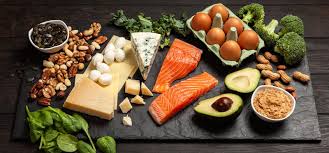
- Healthy Fats: Avocados, olive oil, coconut oil, butter, ghee
- Protein: Eggs, fish, chicken, paneer, tofu, red meat (in moderation)
- Low-Carb Vegetables: Spinach, broccoli, cauliflower, zucchini, cabbage
- Dairy: Cheese, Greek yogurt (unsweetened), cream
- Nuts & Seeds: Almonds, walnuts, chia, flax, sunflower seeds
- Beverages: Water, black coffee, green tea, herbal infusions
🚫 Avoid These High-Carb Foods
- Sugar (white, brown, honey, jaggery)
- Bread, rice, pasta, wheat, oats
- Potatoes, corn, and starchy vegetables
- Fruits high in sugar (mangoes, bananas, grapes)
- Packaged snacks and sweetened drinks
🍳 Sample 1-Day Keto Meal Plan
| Meal | Example |
|---|---|
| Breakfast | Scrambled eggs cooked in ghee + avocado slices |
| Lunch | Grilled chicken or paneer salad with olive oil dressing |
| Snack | A handful of almonds or coconut chips |
| Dinner | Fish curry with sautéed spinach and buttered broccoli |
| Dessert | Keto chia pudding with coconut milk |
💪 Top Benefits of the Keto Diet
1. 🧈 Fat Loss Without Hunger
- High fat and protein keep you full longer, reducing cravings.
- The body burns stored fat efficiently for energy.
2. ⚖️ Steady Blood Sugar and Insulin Control
- Ideal for prediabetes, insulin resistance, or PCOS.
- Lowers insulin spikes, stabilizing energy and mood.
3. 🧠 Mental Clarity and Focus
- Ketones provide the brain with a clean, steady energy source.
- Many report reduced brain fog and improved productivity.
4. 💓 Improved Heart Health (When Done Right)
- Replaces unhealthy fats with heart-friendly sources (olive oil, avocados, nuts).
- May raise HDL (“good”) cholesterol and lower triglycerides.
5. 🔋 Sustained Energy Levels
- No “carb crashes” — your body runs smoothly on fat fuel.
6. 🧬 Potential Anti-Inflammatory and Longevity Effects
- Ketosis may reduce inflammation and oxidative stress, supporting long-term cellular health.
⚠️ Possible Side Effects (and How to Manage Them)
The transition phase — known as the “Keto Flu” — can cause mild symptoms as your body adapts.
😵 Common Temporary Symptoms:
- Headache, fatigue, dizziness
- Muscle cramps
- Constipation
- Brain fog or irritability
💧 How to Fix It:
- Stay hydrated (at least 2.5–3L/day)
- Add electrolytes (salt, magnesium, potassium)
- Increase fats gradually during the first week
- Eat enough calories — don’t starve yourself
After 5–7 days, most people feel more energetic and focused.
👩⚕️ Dietitian’s Insights: Keto Isn’t One-Size-Fits-All
While keto can transform metabolism, it’s not ideal for everyone.
A registered dietitian would stress customization and balance:
“Keto works best when built around whole, natural fats — not processed meats or butter overload. The goal is nutritional ketosis, not nutrient deficiency.”
Long-term keto can strain the kidneys, thyroid, or gut if done incorrectly, so cycling in healthy carbs occasionally (from fruits, quinoa, or sweet potatoes) may improve sustainability.
🔬 Who Should (and Shouldn’t) Try Keto
✅ Keto May Be Helpful For:
- Overweight or obese individuals
- Insulin resistance or prediabetes
- PCOS (Polycystic Ovary Syndrome)
- Men seeking improved focus and fat metabolism
🚫 Keto Is NOT Recommended For:
- Pregnant or breastfeeding women
- People with liver or kidney disorders
- Those with thyroid imbalance or adrenal fatigue
- Individuals prone to eating disorders
🧘♀️ Keto vs. Other Diets
| Feature | Keto Diet | Mediterranean Diet | OMAD |
|---|---|---|---|
| Main Fuel Source | Fat (Ketones) | Balanced (Carbs + Fat) | Fat/Glucose (Fasting state) |
| Meal Frequency | 3–4 small meals | 3–4 balanced meals | 1 meal/day |
| Sustainability | Moderate | High | Low |
| Weight Loss Speed | Fast (initially) | Gradual | Fast (short-term) |
| Energy Levels | Steady | Stable | May fluctuate |
| Focus & Clarity | High | Moderate | High (fasting period) |
🧡 Tips to Do Keto Safely and Effectively
- Start Slow: Gradually lower carbs over 1–2 weeks.
- Prioritize Whole Fats: Use olive oil, avocado, nuts — not just butter and bacon.
- Stay Hydrated: Add electrolytes to prevent dehydration.
- Eat Enough Fiber: Include leafy greens and chia seeds.
- Monitor Protein: Too much can kick you out of ketosis.
- Track Progress: Use ketone strips or apps to measure ketosis.
- Take Supplements if Needed: Magnesium, potassium, and vitamin D are often beneficial.
- Cycle Carbs Occasionally: Once every 10–14 days to reset metabolism.
🧩 Common Myths About Keto
| Myth | Reality |
|---|---|
| Keto is high protein. | Keto is moderate protein, high fat. Too much protein raises insulin. |
| Keto damages kidneys. | Only if you already have kidney disease and overconsume protein. |
| You can’t eat vegetables. | You can — just low-carb, high-fiber ones like spinach and broccoli. |
| Keto means endless bacon and cheese. | True keto emphasizes healthy fats and micronutrients, not processed food. |
🔚 Final Verdict: Is Keto the Key to Fat Loss?
✅ Yes — if done correctly and mindfully.
The Keto Diet can rapidly reduce fat, stabilize energy, and control cravings, especially for those struggling with insulin resistance or carb addiction.
⚠️ But it’s not a magic bullet.
Long-term success comes from choosing clean fats, balancing electrolytes, staying hydrated, and listening to your body.
“Keto isn’t about cutting carbs forever — it’s about retraining your metabolism to burn fat efficiently.” 💪
Leave a Reply