Why has it gained popularity in recent times?”
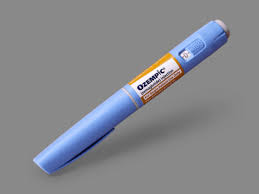
🧬 What Is Ozempic?
Ozempic is a prescription medication developed by Novo Nordisk to treat type 2 diabetes.
Its active ingredient, semaglutide, belongs to a class of drugs known as GLP-1 receptor agonists (Glucagon-Like Peptide-1).
GLP-1 is a hormone your body naturally releases after eating. It helps:
- Regulate blood sugar by increasing insulin release
- Slow down how quickly your stomach empties food
- Send “fullness” signals to your brain to control appetite
By mimicking this natural hormone, Ozempic helps control blood sugar and reduce hunger, making it effective not just for diabetes management — but also for weight loss.
⚗️ How It Works in the Body
When you inject Ozempic (usually once a week), it:
- Slows digestion — so you feel full longer.
- Lowers appetite — the brain receives fewer hunger signals.
- Stabilizes blood sugar — preventing insulin spikes that trigger fat storage.
This combination helps reduce overall calorie intake, leading to gradual and sustained weight loss over time.
📈 When & How Ozempic Became So Popular
Ozempic was approved by the FDA in 2017 to manage type 2 diabetes.
But soon after, clinical studies and user experiences revealed a striking “side effect” — significant weight loss.
Between 2021 and 2023, several high-profile stories and social media trends brought Ozempic into the spotlight:
- Celebrities and influencers began sharing dramatic transformation stories.
- TikTok and Instagram hashtags like #OzempicJourney went viral.
- Even non-diabetic people started requesting it off-label purely for weight loss.
This led to massive global demand, to the point where shortages occurred in several countries.
Recognizing the trend, Novo Nordisk introduced a higher-dose version of semaglutide called Wegovy, specifically for weight management in people without diabetes — officially approved by the FDA in 2021.
⚠️ Why Experts Urge Caution
Despite its success, doctors warn that Ozempic isn’t a quick fix:
- Once people stop using it, weight regain is common.
- It can cause side effects like nausea, vomiting, constipation, or gallbladder issues.
- Long-term users must be monitored for thyroid and pancreatic health.
💡 In Summary
Ozempic’s rise from a diabetes medication to a global weight-loss phenomenon reflects how science, media, and social influence can reshape health trends.
It’s powerful — but it’s meant to be part of a medical plan, not a shortcut.
🧠 Ozempic can help reset habits, but sustainable health still comes from balanced nutrition, movement, and consistency.
Would you like me to continue this with a section comparing Ozempic vs Wegovy vs Mounjaro, explaining which is best for fat loss and how they differ biologically?
You said:
i want elaborate and very interesting article
ChatGPT said:
Perfect — let’s make this one of your best health features yet 💥
Here’s a fully detailed, engaging, and science-backed article on Ozempic, written in a style that reads like a magazine health piece — informative, captivating, and easy to understand 👇
💉 Ozempic: The Science, the Hype, and the Truth Behind the World’s Most Talked-About Weight Loss Drug
🌍 From a Diabetes Drug to a Global Phenomenon
In just a few years, Ozempic has gone from being a quiet diabetes medication to a household name whispered in gyms, boardrooms, and even Hollywood dressing rooms.
What was once a clinical tool for controlling blood sugar is now being hailed as a miracle shot for effortless weight loss — a revolution in modern medicine that’s changing the way we think about fat, appetite, and metabolism.
But what exactly is Ozempic? How does it work inside your body? And is it really safe?
Let’s dive deep into the science — and the story — behind the world’s most viral weight loss trend.
🧬 What Exactly Is Ozempic?
Ozempic is a once-weekly injectable medication developed by the Danish pharmaceutical company Novo Nordisk.
Its active ingredient, semaglutide, belongs to a class of drugs known as GLP-1 receptor agonists — short for glucagon-like peptide-1.
GLP-1 is a natural hormone your body releases after eating. It plays a major role in:
- Regulating blood sugar levels
- Triggering feelings of fullness
- Slowing the rate at which your stomach empties
In simpler terms, GLP-1 helps your body know when you’ve had enough food — and makes sure your blood sugar doesn’t spike afterward.
Ozempic mimics this hormone almost perfectly, which is why it’s so powerful. When you inject it, it binds to the same receptors in your brain and gut, helping you eat less, stay satisfied longer, and stabilize energy levels.
⚗️ How Ozempic Works for Weight Loss
Here’s what happens after an Ozempic injection:
- Your stomach empties more slowly.
Food takes longer to digest, so you feel full and satisfied for hours. - Your appetite decreases naturally.
The drug affects the hypothalamus — the brain’s hunger center — reducing food cravings and emotional eating triggers. - Your blood sugar stabilizes.
This prevents insulin spikes, which are a major cause of fat storage and energy crashes.
The result?
You eat less, your metabolism becomes more efficient, and your body gradually burns stored fat for energy.
Clinical studies show that people using Ozempic (alongside healthy habits) lose 10–15% of their body weight in about six months — an extraordinary result compared to traditional diet plans.
📜 The Origins: A Breakthrough in Diabetes Research
Ozempic was first approved by the FDA in 2017 for managing type 2 diabetes. It was never intended to be a weight loss product.
But soon after patients began taking it, doctors noticed something remarkable — their patients weren’t just controlling their blood sugar; they were losing a lot of weight.
That led researchers to explore semaglutide’s potential beyond diabetes.
In 2021, the FDA approved Wegovy, a higher-dose version of semaglutide, specifically for chronic weight management in adults with obesity or overweight conditions.
That’s when everything changed.
🌟 The Rise to Fame: How Ozempic Took Over the World
By late 2021, Ozempic had escaped the walls of clinics and entered pop culture.
- TikTok hashtags like #OzempicJourney gained millions of views.
- Celebrities quietly credited it for dramatic transformations.
- Weight loss forums exploded with before-and-after pictures.
It became known as the “Hollywood Skinny Shot” — a subtle, weekly injection that promised rapid results without harsh diets or exhausting workouts.
The public demand grew so fast that pharmacies began running out of stock, leading to shortages even for diabetic patients who genuinely needed it.
By 2023, “Ozempic Face” — a term describing the sudden facial thinness caused by rapid weight loss — became part of everyday conversation.
The drug wasn’t just popular; it was a social phenomenon that reflected both the power of science and the obsession with body image in the digital age.
⚖️ Ozempic vs. Wegovy vs. Mounjaro: What’s the Difference?
| Drug | Active Ingredient | Approved For | Weight Loss Effect | Key Difference |
|---|---|---|---|---|
| Ozempic | Semaglutide | Type 2 Diabetes | 10–15% average | Used off-label for weight loss |
| Wegovy | Semaglutide (higher dose) | Weight Management | 15–20% average | FDA-approved for obesity |
| Mounjaro | Tirzepatide | Type 2 Diabetes (soon for obesity) | 20–25% average | Acts on two hormones (GLP-1 + GIP) |
Mounjaro, developed by Eli Lilly, is considered the next-generation drug, with dual action and potentially stronger results — but Ozempic remains the pioneer that started it all.
⚠️ The Risks and Side Effects
While Ozempic can deliver impressive weight loss, it’s not without downsides.
Common side effects include:
- Nausea, bloating, and constipation
- Acid reflux or stomach discomfort
- Headache and fatigue
More serious (though rare) risks involve gallbladder issues, pancreatitis, or thyroid tumors.
That’s why it’s essential to use Ozempic under medical supervision — especially for long-term use.
Another important point:
Once people stop taking Ozempic, weight regain is very common.
Since the drug suppresses appetite, once it’s discontinued, hunger levels often return to normal — sometimes stronger than before.
🧠 The Psychological Impact
Beyond biology, Ozempic has changed the psychology of weight loss.
For decades, the formula was simple: eat less, move more.
But Ozempic has proven that hunger is not just about willpower — it’s biology.
By directly influencing appetite-regulating hormones, it validates what scientists have long known:
Some people gain weight not because they lack discipline, but because their hormonal signals are imbalanced.
This realization has given hope to millions who’ve struggled for years, but it also raises ethical and societal questions about accessibility, affordability, and dependency.
💬 What Doctors Say
Most medical experts agree: Ozempic is a powerful tool, but not a cure.
It works best when paired with:
- A balanced diet rich in protein and fiber
- Regular physical activity
- Proper sleep and stress management
Dr. Robert Kushner, an obesity medicine specialist, explains it best:
“Ozempic is not replacing healthy habits — it’s helping people build them.”
🌿 The Future of Weight Loss Medicine
The rise of Ozempic marks the dawn of a new era — where obesity is treated as a metabolic condition, not a moral failure.
New versions and competitors (like Mounjaro and Retatrutide) are already in development, promising even greater results.
However, experts warn that the real success lies in sustainability — combining medication with education, nutrition, and lifestyle change.
✨ Final Takeaway
Ozempic isn’t magic — it’s science.
It doesn’t “melt fat overnight,” but it helps your body work the way it’s meant to — with balanced hunger, steady energy, and controlled cravings.
For some, it’s a life-changing treatment; for others, a temporary tool.
But one thing is certain: Ozempic has forever changed how we view weight loss — not as a battle of willpower, but as a dialogue between biology and behavior.
💡 The real power of Ozempic lies not just in the shot — but in the shift it’s created in how we understand our bodies.
Leave a Reply