Thyroid issues are often misunderstood and underestimated.
. The most common form — hypothyroidism — occurs when your thyroid gland does not produce enough hormones to meet the body’s needs. This slows down your metabolism and affects nearly every organ, from your heart to your brain.
One of the biggest misconceptions is that “thyroid problems are a women’s disease.” While women are more frequently diagnosed, men are also at significant risk — especially those over 35, under chronic stress, or with poor lifestyle habits. Unfortunately, because male symptoms are more subtle, they are often ignored or mistaken for normal aging or fatigue.
Let’s explore the real causes, symptoms, body effects, and how natural thyroid therapy can help both men and women recover energy, focus, and balance.
🔍 What Causes Hypothyroidism?
Hypothyroidism can develop slowly, often going unnoticed for months or even years. The most common causes include:
- Autoimmune Disease (Hashimoto’s Thyroiditis)
The immune system attacks the thyroid gland, reducing hormone production. This is the leading cause of hypothyroidism worldwide. - Iodine Deficiency or Excess
The thyroid needs iodine to make hormones, but both too little and too much can disrupt function. - Stress and Adrenal Fatigue
Chronic stress raises cortisol levels, which can suppress thyroid hormone conversion (T4 → T3). - Poor Gut Health
An unhealthy gut can cause inflammation, reduce nutrient absorption, and block thyroid hormone activation. - Medications or Radiation Exposure
Some drugs (like lithium or amiodarone) and radiation therapy for cancers can damage thyroid tissue. - Hormonal Imbalances
Estrogen, progesterone, and testosterone directly influence thyroid performance. Imbalance in any can affect metabolism and mood.
⚠️ Early Symptoms of Hypothyroidism in Women
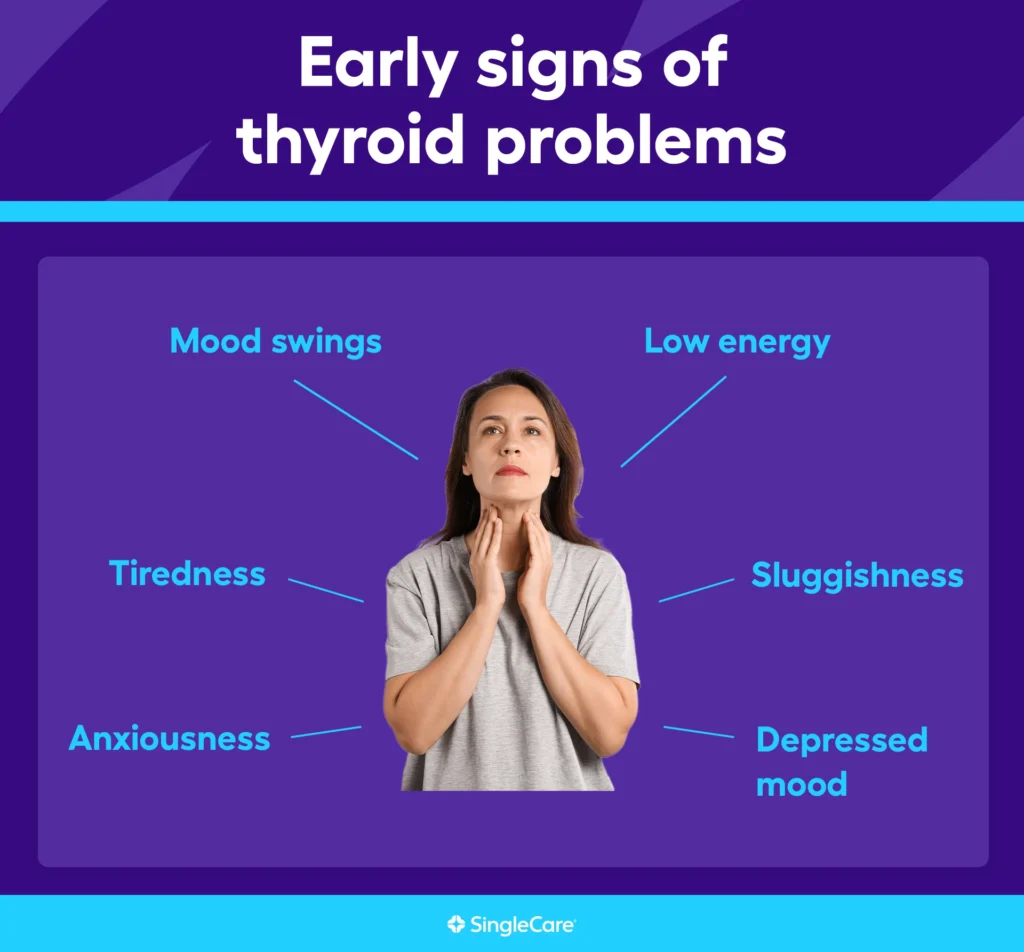
Women are five to eight times more likely to develop thyroid imbalance due to hormonal fluctuations during pregnancy, menstruation, or menopause.
Early signs include:
- Constant tiredness or sluggishness
- Feeling unusually cold
- Weight gain despite no major diet change
- Dry skin and hair fall
- Irregular or heavy menstrual cycles
- Puffy face and swelling in hands or feet
- Mood swings, anxiety, or mild depression
- Trouble concentrating or memory lapses
Why women notice it earlier:
Estrogen dominance and post-pregnancy hormone shifts can amplify thyroid-related changes, making the symptoms more obvious.
⚠️ Early Symptoms of Hypothyroidism in Men
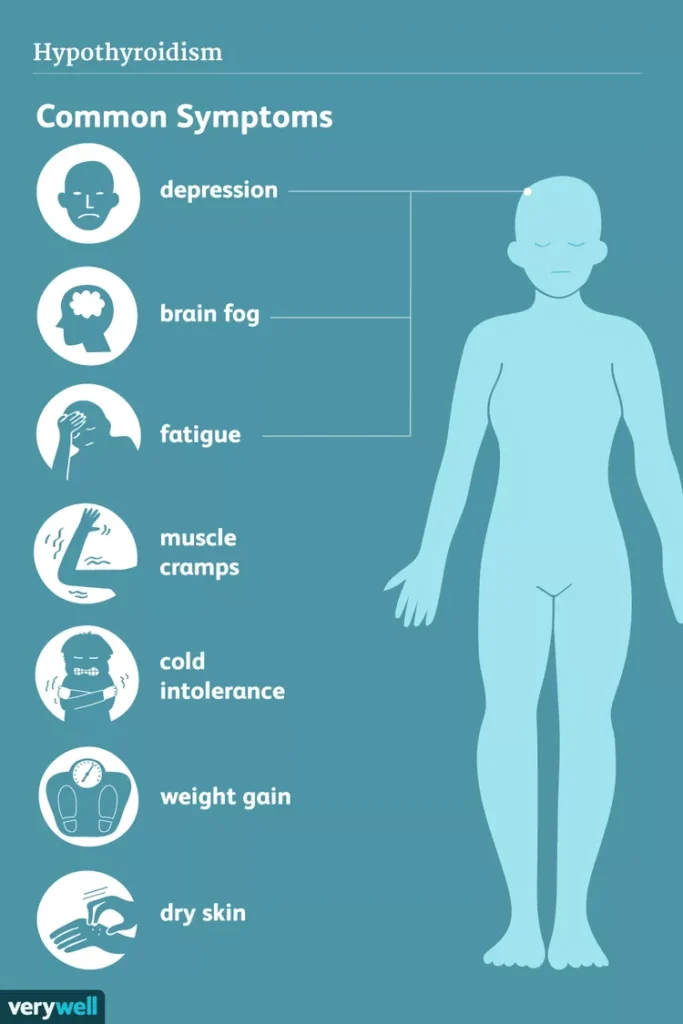
In men, thyroid symptoms are often mistaken for stress, work fatigue, or aging — leading to delayed diagnosis.
Common signs in men include:
- Low energy and constant tiredness
- Unexplained weight gain or belly fat
- Reduced muscle mass despite exercise
- Brain fog or difficulty focusing
- Low libido or erectile dysfunction
- Hair thinning, especially on arms or legs
- Depression or emotional flatness
- Slow heart rate or feeling unusually cold
Why men often go undiagnosed:
Since men don’t have the monthly hormonal cues women do, thyroid issues progress silently until they affect metabolism, fertility, or mood significantly.
🧠 What Hypothyroidism Does to the Body
The thyroid gland regulates your metabolism, temperature, mood, and energy. When it slows down, every system in your body feels the effect.
🧬 1. Metabolism and Energy
A slow thyroid reduces the body’s calorie-burning rate, causing fatigue and weight gain even with normal food intake.
Natural Tip: Start your day with warm water and lemon — it boosts metabolism and supports liver detoxification, helping hormone conversion.
🧠 2. Brain and Nervous System
Low thyroid hormones affect brain cells, leading to memory lapses, slow thinking, and mood imbalances.
Both men and women may develop anxiety or mild depression.
Natural Tip: Include omega-3-rich foods (flaxseeds, walnuts, salmon) — they support brain and thyroid hormone function.
❤️ 3. Heart and Circulation
Hypothyroidism can increase LDL cholesterol and lower your heart rate. Cold hands and feet are common due to slow blood circulation.
Natural Tip: Try 20–30 minutes of brisk walking daily to improve circulation and keep the heart active.
🍽️ 4. Digestive System
The digestive tract slows down, causing bloating, constipation, and indigestion.
Low thyroid function can also lead to nutrient absorption issues.
Natural Tip: Eat high-fiber foods (oats, papaya, spinach) and drink plenty of warm water throughout the day.
💇♀️ 5. Skin, Hair, and Nails
Slowed cell turnover leads to dry skin, brittle nails, and hair thinning.
Natural Tip: Add zinc (pumpkin seeds, eggs) and biotin (almonds, spinach) to support tissue renewal.
⚖️ 6. Reproductive Health
- In women, hypothyroidism can cause irregular periods or fertility struggles.
- In men, it may lower testosterone and sperm quality.
Myth Breaker 💥: Thyroid imbalance affects both male and female fertility, libido, and mood — it’s not a gendered problem.
Natural Tip: Both men and women should include selenium-rich foods like Brazil nuts and fish to enhance hormone balance.
🌿 Natural Thyroid Therapy: A Holistic Healing Approach
While synthetic thyroid hormones (like levothyroxine) are effective, natural therapy focuses on healing the underlying causes — not just replacing hormones.
1. Nutrition First
Support thyroid function naturally with:
- Iodine: Iodized salt, seaweed
- Selenium: Brazil nuts, tuna, eggs
- Zinc: Lentils, pumpkin seeds
- Iron: Leafy greens, red meat
- Vitamin D: Sunlight exposure and fortified foods
Tip: Get your nutrient levels checked — excessive supplementation can backfire.
2. Heal the Gut
Your gut and thyroid share a close connection. Poor gut bacteria reduce hormone absorption and conversion.
- Eat fermented foods (curd, kefir, sauerkraut)
- Limit refined sugar and processed foods
Tip: A healthy gut = better thyroid hormone balance.
3. Balance Stress and Sleep
Chronic stress increases cortisol, which suppresses thyroid hormone production.
- Practice yoga, deep breathing, or meditation.
- Sleep 7–8 hours consistently.
Tip: Use adaptogenic herbs like ashwagandha and tulsi tea to calm the nervous system.
4. Exercise Smart
Exercise boosts metabolism, but overexercising can stress your thyroid further.
- Choose moderate-intensity workouts like walking, yoga, or swimming.
- Avoid high-intensity training if feeling fatigued.
Tip: Focus on consistency, not intensity — steady activity supports thyroid function naturally.
5. Avoid Hidden Toxins
Certain chemicals (in plastics, pesticides, cosmetics) act as endocrine disruptors, interfering with thyroid hormones.
Tip: Use glass or steel containers, eat organic when possible, and choose natural personal care products.
🩺 When to Get Tested
If you experience two or more of these symptoms, ask your doctor for:
- TSH (Thyroid Stimulating Hormone)
- Free T3 and Free T4
- Thyroid Antibodies (TPOAb, TGAb)
Tip: A complete thyroid profile gives a clearer picture than TSH alone.
💬 Final Thoughts
Hypothyroidism isn’t a “women’s condition” — it’s a whole-body condition that affects energy, mood, metabolism, and even relationships.
Whether you’re male or female, the key lies in early detection, nutrient-rich food, stress balance, and natural thyroid support.
Your thyroid is like your body’s internal engine — when it’s fueled, your entire system runs smoothly.
So listen to your body’s signals, nourish it wisely, and take a holistic path toward lasting energy and balance.
Leave a Reply