The Truth About the Most Researched Fitness Supplement
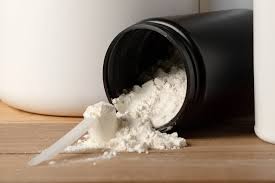
Walk into any gym or supplement store, and you’ll probably hear about creatine — the white powder that claims to make you stronger, faster, and bigger. But what exactly does it do inside your body, and is it really safe?
Let’s break down the science in simple terms.
🧬 What Is Creatine?
Creatine is a natural compound found in your muscles and brain.
Your body makes it from three amino acids — arginine, glycine, and methionine — and stores it as phosphocreatine in muscle cells.
About 95% of your body’s creatine is stored in skeletal muscle, where it helps produce energy during short, intense activities like lifting, sprinting, or HIIT.
You can get creatine from:
- Animal foods like red meat, fish, and poultry
- Supplements, which boost your muscle stores more effectively
⚙️ How Creatine Works in Your Body
To understand creatine, you need to know how your muscles create energy:
- Your body’s fastest energy source is ATP (adenosine triphosphate).
- During intense exercise, your muscles use up ATP quickly (within seconds).
- When ATP runs out, your muscles tire.
- Creatine phosphate donates a phosphate group to ADP, regenerating ATP rapidly.
In short:
🧠 Creatine = faster ATP production = more energy for your muscles.
That means:
- You lift heavier weights
- Sprint longer before fatigue
- Recover quicker between sets
💪 What Creatine Actually Does (Science-Backed Benefits)
1. Boosts Strength and Power
Creatine increases your ability to perform high-intensity work, which means you can:
- Push harder in strength training
- Lift heavier weights
- Build muscle faster
💡 Studies show creatine users gain 5–15% more strength than non-users.
2. Enhances Muscle Growth
More energy = more reps = more muscle activation.
Creatine also increases muscle cell hydration, giving them a fuller, more anabolic environment for growth.
💡 Creatine helps increase lean muscle mass by improving protein synthesis.
3. Speeds Up Recovery
Creatine reduces muscle cell damage and inflammation, helping your muscles repair faster after intense workouts.
💡 That’s why many athletes use it post-workout — it shortens soreness and recovery time.
4. Improves Brain Function
Surprisingly, your brain uses ATP too — and creatine helps supply it.
Research shows it can improve:
- Focus and memory
- Mental fatigue resistance
- Cognitive function under stress or sleep deprivation
💡 Creatine isn’t just for muscles — it’s brain fuel too.
5. Supports Fat Loss (Indirectly)
While creatine itself doesn’t “burn fat,” it helps you train harder and build muscle — which in turn raises your metabolism.
More muscle → higher calorie burn → faster fat loss.
🧪 Types of Creatine: Which One Works Best?
There are many forms in the market, but Creatine Monohydrate is still the gold standard.
| Type | Notes |
|---|---|
| Creatine Monohydrate | Most researched, effective, affordable |
| Creatine HCL | More soluble, gentler on stomach, but costlier |
| Buffered Creatine | Claims better absorption — little evidence |
| Liquid Creatine | Unstable form, less effective |
✅ Verdict: Stick to Creatine Monohydrate (micronized form) — safest, cheapest, and most studied.
⏱️ How to Take Creatine Correctly
💥 Option 1: Loading Phase (Faster Saturation)
- Take 20g/day (split into 4 doses of 5g) for 5–7 days
- Then maintain with 3–5g/day
⚖️ Option 2: No Loading (Steady Approach)
- Take 3–5g/day from day one
- Muscles reach full saturation in about 3–4 weeks
Both methods work — the loading phase just gets you faster results.
🕒 Best Time to Take Creatine
- Post-workout with carbs/protein (best absorption due to insulin spike)
- Non-training days: anytime with a meal
💡 Creatine works by saturation, not timing — consistency is key.
💧 Hydration: The Creatine Rule Everyone Forgets
Creatine pulls water into muscle cells — that’s why you must drink enough water.
Aim for at least 3–3.5 liters/day.
Dehydration can cause cramps or sluggishness while using creatine.
🍽️ Foods Rich in Natural Creatine
You can get small amounts from food:
- Red meat (1g per 200g serving)
- Salmon (1g per 200g)
- Tuna, cod, or chicken
But you’d need nearly 1kg of meat daily to match 5g of supplement — so supplementation is practical and efficient.
⚠️ Side Effects & Myths
| Myth | Truth |
|---|---|
| Creatine causes kidney damage | ❌ False — studies show it’s safe in healthy adults |
| It leads to bloating | ⚠️ Temporary water retention inside muscles (not fat) |
| It’s a steroid | ❌ Absolutely not — it’s an amino acid compound, not a hormone |
| It’s only for men | ❌ Women benefit equally — stronger training, better recovery |
💡 If you have kidney disease, consult your doctor before using it.
🧠 Creatine for Women
Women often avoid creatine fearing weight gain — but most of it is just muscle cell hydration, not fat.
Benefits for women include:
- Improved endurance
- Better strength and lean tone
- Reduced fatigue during high-intensity workouts
💪 Think “firmness,” not “bulkiness.”
⚙️ Stacking Creatine for Better Results
| Supplement | Why It Helps |
|---|---|
| Whey Protein | Builds muscle along with creatine’s energy boost |
| Beta-Alanine | Delays fatigue during HIIT |
| BCAAs | Helps with recovery and muscle repair |
| Omega-3s | Reduces inflammation, improves performance |
| Caffeine | Pre-workout energy (take 30 mins apart from creatine) |
🌟 Key Takeaways
- Creatine = More ATP = More Power & Performance
- Best form: Creatine Monohydrate (3–5g daily)
- Take it post-workout with carbs or protein
- Stay well-hydrated
- Safe, natural, and proven by over 1,000+ scientific studies
🧩 Creatine doesn’t make you huge overnight — it helps your body perform better, recover faster, and grow stronger every time you train.
Leave a Reply